
Crafting Crunch: The Art and Science of Cereal Processing
In the rhythmic hum of production lines, where grains transform into the beloved breakfast staples that fuel our mornings, lies a fascinating blend of art and science known as cereal processing. From the moment a humble kernel of grain is harvested to the point it finds its way into a colorful box on supermarket shelves, an intricate journey unfolds—one that combines centuries of traditional craftsmanship with modern technological advancements. This article invites you to explore the multifaceted world of cereal processing, where the principles of food science meet the creativity of culinary innovation. Join us as we delve into the methods that create that perfect crunch while ensuring nutritional value, sustainability, and flavor harmony. Whether you’re a cereal enthusiast or a curious consumer, prepare to uncover the secrets behind every delightful spoonful.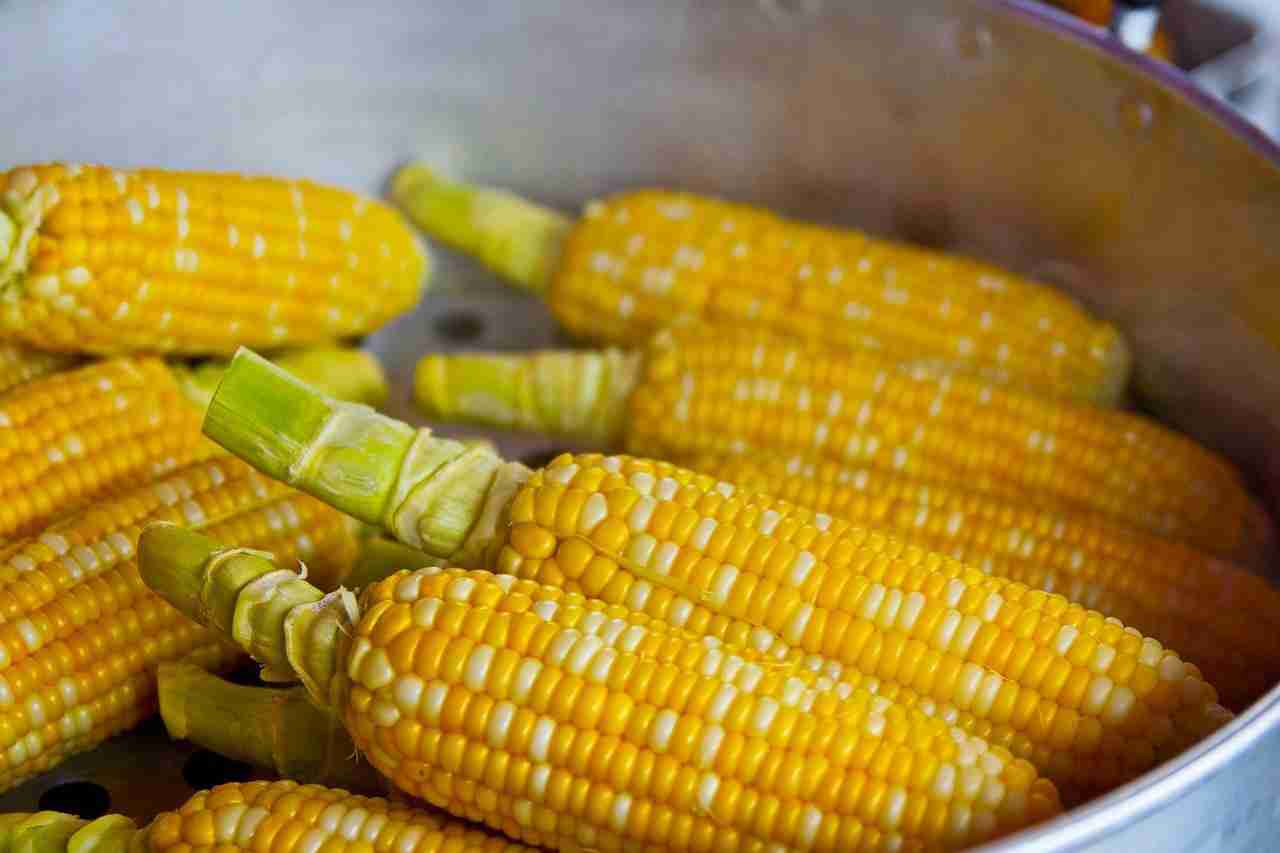
Exploring the Ingredients: Key Components of Quality Cereals
The journey of crafting quality cereals begins with the careful selection of ingredients that contribute to both flavor and nutrition. At the core of every cereal are the grains, which can include a variety of options such as oats, wheat, corn, and rice. These grains not only provide the essential carbohydrates but also serve as the foundation for the cereal’s texture. Furthermore, incorporating whole grains enhances fiber content, making the cereal a wholesome choice for consumers. In addition to grains, the inclusion of nuts, seeds, and dried fruits enriches the cereal, offering a delightful combination of crunch and natural sweetness that adds to both taste and nutritional profile.
Sweeteners play an essential role in defining a cereal’s flavor and could range from refined sugars to healthier alternatives like honey, maple syrup, or agave nectar. The choice of sweetener greatly impacts the overall healthiness of the product, prompting many brands to innovate with natural sweeteners that don’t compromise on taste, thereby ensuring a guilt-free indulgence. Furthermore, to enhance the appeal, manufacturers may include vitamins and minerals, fortifying the cereal to support a balanced diet. The careful balance of these components is crucial in meeting consumer expectations for both flavor and nutritional value.

The Processing Journey: From Grain to Crunchy Goodness
The journey from humble grains to delightful cereal crunch begins with selecting the finest raw materials. Grains like wheat, corn, oats, and rice undergo rigorous screening to ensure quality. Once selected, they are cleaned thoroughly to remove impurities, which is crucial for the integrity of the final product. After cleaning, the grains are conditioned with steam or water, making them pliable and ready for the transformation ahead. This step is vital for enhancing their texture and ensuring even cooking during the processing phase. The preparation involves:
- Cleaning: Removing foreign materials and broken grains.
- Conditioning: Softening the grains to achieve optimal cooking.
- Grinding: Breaking down the grains into smaller particles for better texture.
Following preparation, the grains venture into a series of complex processing techniques designed to unlock their crunchy potential. Among these techniques, extrusion stands out as a transformative process where heated, moist grains are forced through a die, creating unique shapes and textures. Once extruded, the cereal is toasted to achieve that signature crunch. This stage of processing can be broken down into key phases:
| Processing Stage | Description |
|---|---|
| Extrusion | Grains are cooked under high pressure and shaped into a desired form. |
| Toasting | Enhancing crunchiness and flavors through controlled heating. |
| Coating | Adding sugars, flavors, or nutrients for final taste and nutritional value. |
Through each of these stages, precision is key. Temperature, timing, and ingredient ratios are meticulously monitored to achieve the perfect balance of flavor and crunch, ultimately resulting in that much-loved breakfast staple. This intricate balance of art and science not only preserves the nutritional qualities of the grains but also ensures that each bite is as satisfying as the last.
Innovative Techniques: Enhancing Texture and Flavor in Cereal Production
The quest for the perfect cereal texture and flavor has driven innovation in food science, resulting in a variety of pioneering techniques that elevate this beloved breakfast staple. Extrusion cooking stands at the forefront, a process that combines high temperature and pressure to transform raw ingredients into unique shapes and forms. This method not only enhances the crunchiness of the product but also allows for custom flavor infusion at an early stage in processing. As the mixture passes through the extruder, flavors like cinnamon, honey, or even chocolate can be integrated seamlessly, leading to a product that tantalizes the taste buds from the first bite. The versatility of extrusion ensures that cereals can be crafted into various textures—from light and airy puffs to dense, chewy clusters—all while retaining nutrients that appeal to health-conscious consumers.
Another innovative technique gaining traction is the use of enzyme technology to enhance flavor profiles without the need for artificial additives. By utilizing naturally occurring enzymes such as amylases and proteases, cereal manufacturers can break down starches and proteins, releasing vibrant flavors that create a more rich and complex tasting experience. This enzymatic approach not only promotes the natural flavors of the grains themselves but also improves digestibility, aligning with the modern consumer’s demand for healthier options. Furthermore, advancements in flavor encapsulation technology allow manufacturers to protect volatile compounds, ensuring that fragrances and tastes remain intact until the moment they reach the consumer’s palate. Through these innovative techniques, the humble cereal continues to evolve, offering delightful new experiences with every bowl.
| Technique | Impact on Texture | Impact on Flavor |
|---|---|---|
| Extrusion Cooking | Creates varied textures: puffs, clusters | Allows for early infusion of flavors |
| Enzyme Technology | Improves texture and digestibility | Enhances natural flavors without additives |
| Flavor Encapsulation | Preserves texture during storage | Ensures flavors are released at the right moment |

Quality Control Essentials: Ensuring Consistency and Safety in Cereal Processing
In the intricate dance of cereal processing, quality control becomes the unsung hero, ensuring that each flake or puff not only meets but exceeds the standards of consistency and safety. This multifaceted approach involves a trilogy of strategies: regular inspections, norm compliance, and continuous monitoring. During the production process, frequent checks at critical control points allow manufacturers to swiftly identify any deviations from established norms. These checks are complemented by compliance with industry regulations, which define acceptable levels of safety and quality, from ingredient sourcing to packaging. By adhering to these guidelines, companies not only protect their consumers but also reinforce their brand integrity.
Moreover, technology plays a transformative role in quality assurance. Advanced tools like sensors and data analytics enhance the monitoring process, providing real-time feedback on the characteristics of both raw materials and finished products. This predictive approach enables teams to anticipate issues before they escalate, fostering a culture of proactive quality management. Educational programs and training for staff members on best practices and safety standards help cultivate an environment where everyone is invested in maintaining quality. As a part of the overall commitment to excellence, an integrated quality control system can lead to reduced waste, minimized recalls, and ultimately, a product that consistently delights consumers.
| Quality Control Elements | Description |
|---|---|
| Regular Inspections | Scheduled evaluations during processing to ensure compliance. |
| Compliance with Norms | Adhering to established safety and quality standards. |
| Continuous Monitoring | Real-time observation of production processes for anomalies. |
| Technological Integration | Use of sensors and data analytics for quality assurance. |
| Staff Training | Education on best practices for enhanced quality management. |
Concluding Remarks
As we conclude our exploration of “Crafting Crunch: The Art and Science of Cereal Processing,” it’s clear that the journey from field to breakfast table is as intricate as it is fascinating. Each crisp bite encapsulates a delicate balance of tradition and innovation, where age-old techniques harmonize with cutting-edge technology. From the selection of grains to the precise methods of cooking, toasting, and flavoring, every step in the cereal processing journey is a testament to human ingenuity.
As consumers, we may often take for granted the crunchy delights that fill our bowls each morning, yet a deeper understanding reveals a world of creativity and meticulous craftsmanship behind those crispy morsels. The marriage of art and science in cereal processing continues to evolve, promising new textures and flavors that cater to our ever-changing palates.
So, the next time you enjoy a spoonful of your favorite cereal, remember that each crunch represents not just a satisfying sound, but also a legacy of expertise and passion. Here’s to the cereal artisans who keep the spirit of crunch alive, and to the endless possibilities that lie ahead in the world of breakfast.



