
Corn Processing: Unlocking the Versatility of a Staple Grain
In the heartland of agriculture, where golden fields stretch as far as the eye can see, corn stands as one of the most essential and versatile grains known to humankind. Often celebrated for its role in everything from summer barbecues to sweet treats, corn is much more than just a food source; it’s a powerhouse of potential. As we delve into the intricate world of corn processing, we unveil the remarkable transformations this humble grain undergoes, revealing its myriad applications that extend far beyond the dinner plate. From the production of savory snacks and biofuels to the creation of innovative industrial materials, corn is a chameleon in the agricultural arena—one that reflects humanity’s ingenuity and adaptability. Join us as we explore the multifaceted journey of corn from field to finished product, highlighting the technologies and processes that unlock its vast capabilities.
Exploring the Nutritional Benefits of Corn in Everyday Diets
Corn is not just a versatile ingredient; it also brings a host of nutritional benefits that can enhance everyday diets. Rich in fiber, it promotes healthy digestion and can help maintain a feeling of fullness, making it a great addition for those looking to manage their weight. Corn is also packed with essential vitamins and minerals, such as:
- Vitamin B6: Supports brain health and energy metabolism.
- Magnesium: Crucial for muscle and nerve function.
- Iron: Essential for the formation of red blood cells.
- Antioxidants: Such as lutein and zeaxanthin, which contribute to eye health.
Moreover, corn is gluten-free, making it an optimal choice for those with gluten intolerance or celiac disease. Its natural sweetness allows for various culinary applications, ranging from hearty cornbread to delightful corn salads. Below is a quick comparison of processed corn products and their benefits:
| Corn Product | Nutritional Highlight |
|---|---|
| Cornmeal | High in fiber and good for heart health |
| Popcorn | Low in calories and high in fiber when prepared healthily |
| Corn Salsa | Rich in vitamins and colorful antioxidants |
Innovative Techniques in Corn Processing for Enhanced Flavor and Texture
Innovative methods in corn processing are revolutionizing the culinary landscape, breathing new life into this beloved grain. One approach gaining traction is the use of fermentation, which not only enhances the complexity of flavors but also improves digestibility. By fermenting corn, producers can create unique products such as masa, which is foundational in Latin American cuisine, and even innovative brews that showcase the grain’s versatility. Another technique making waves is extrusion cooking, a process where starches are gelatinized and expanded. This technique contributes to a crunchy texture, ideal for making snacks like puffed corn and cereals.
In addition to these methods, dry milling and wet milling techniques are being refined to extract maximum flavor and functional properties from corn. Dry milling produces various corn flours that can yield distinctive textures, perfect for specialty baked goods and gluten-free products. On the other hand, wet milling favors higher purity in starch extraction, ideal for use in sauces and dressings that require a smooth consistency. The growing trend of adding smoking or toasting during the processing phase also captivates chefs and food enthusiasts alike, introducing a depth of flavor that complements both sweet and savory corn applications.
| Processing Technique | Benefit |
|---|---|
| Fermentation | Enhances flavor complexity and digestibility |
| Extrusion Cooking | Creates crispy textures ideal for snacks |
| Dry Milling | Produces diverse flours for specialty items |
| Wet Milling | Facilitates extraction of pure starch for sauces |
| Smoking & Toasting | Adds depth of flavor for various applications |

Sustainable Practices in Corn Production and Processing
Sustainable corn production hinges on a blend of innovative techniques that respect the earth’s resources while ensuring productivity. Crop rotation has emerged as a fundamental practice, as it enhances soil health and reduces pest pressures. Incorporating legumes in the rotation cultivates nitrogen-rich environments, benefiting subsequent corn crops. Moreover, cover cropping is widely adopted to prevent soil erosion and improve moisture retention, enriching the soil ecosystem. Other methods such as integrated pest management (IPM) minimize chemical use, relying on natural predators and data-driven approaches to keep pest populations in check.
The processing phase also emphasizes sustainability, aiming to reduce waste and maximize utility. Corn’s versatility means almost every part can be utilized, from the kernels to the husks. Wet and dry milling processes transform the grain into various products while enabling the recovery of by-products for animal feed and biofuel. Businesses are increasingly adopting energy-efficient technologies to minimize their carbon footprint, such as anaerobic digestion, which converts organic waste into energy. This closed-loop system not only reduces landfill waste but generates renewable energy, further sealing corn’s role as a cornerstone of sustainable agricultural practices.
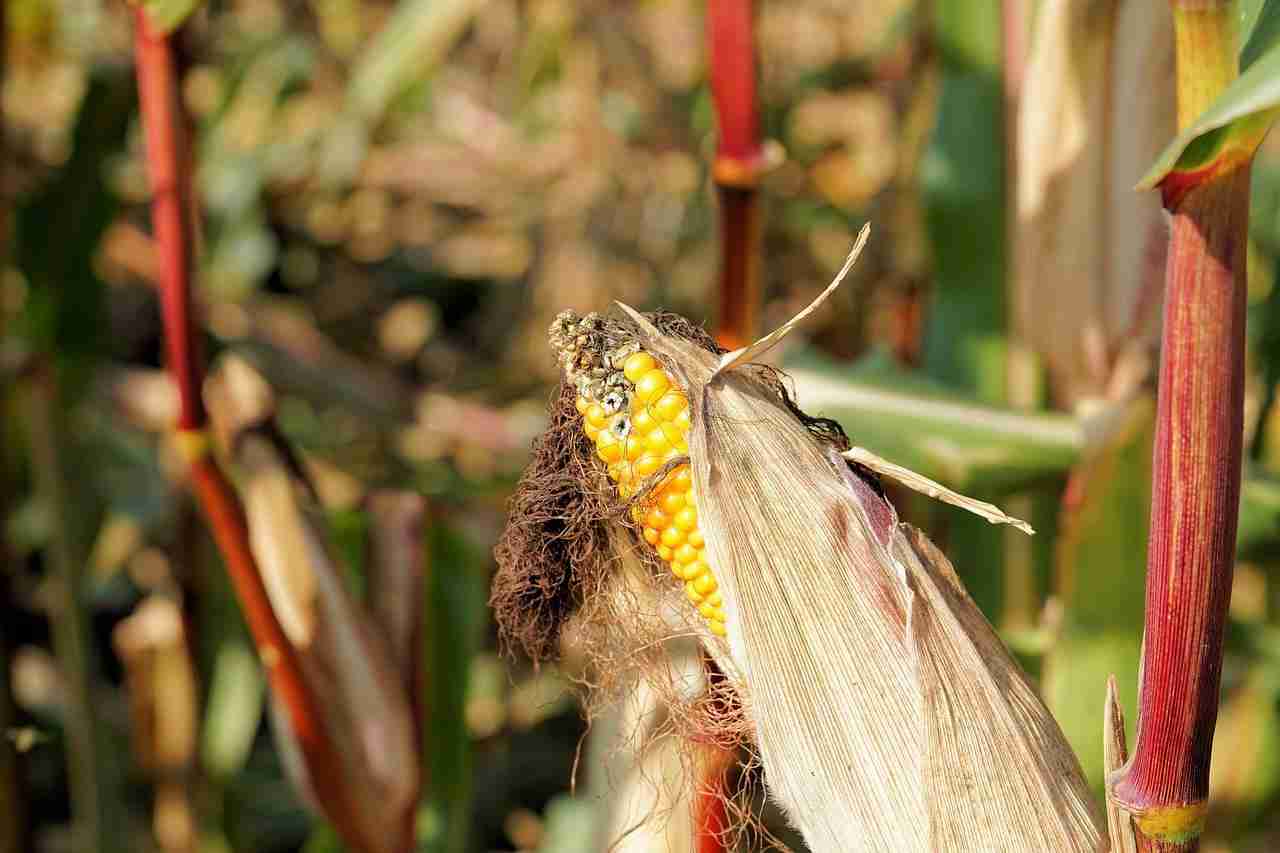
Diverse Applications of Corn Products Across Various Industries
Corn products are remarkably versatile, finding their way into a variety of industries thanks to their unique properties and wide-ranging applications. In the food industry, items such as corn syrup, cornmeal, and cornstarch serve as essential ingredients that enhance flavors and improve texture. Bakers rely on cornstarch for thickening, while corn syrup sweetens candies and baked goods. Interestingly, corn is also a staple in the beverage industry, where it can be fermented to produce alcoholic beverages like whiskey and beer.
Beyond the realms of food, corn products also play a pivotal role in the industrial sector. For instance, biodegradable plastics made from corn starch are gaining popularity as eco-friendly alternatives to petroleum-based plastics. The agricultural sector utilizes cornstarch for the creation of animal feed, contributing to sustainable livestock practices. Additionally, corn oil serves as a crucial ingredient in the cosmetic industry, thanks to its moisturizing properties. Below is a table showcasing some of the key applications of corn products across different industries:
| Industry | Application | Product Examples |
|---|---|---|
| Food | Sweeteners and Thickeners | Corn syrup, Cornstarch |
| Beverage | Fermented Products | Whiskey, Beer |
| Industrial | Biodegradable Plastics | Corn starch-based plastics |
| Agriculture | Animal Feed | Cornmeal, Corn gluten feed |
| Cosmetics | Moisturizers | Corn oil, Corn-based creams |
Future Outlook
As we draw the curtain on our exploration of corn processing, it becomes abundantly clear that this humble grain is much more than a simple staple in our diets. From its transformative journey into a myriad of products—corn syrup, biofuels, and biodegradable plastics—to its indispensable role in global agriculture and food security, corn stands as a testament to human ingenuity and adaptability.
In unlocking the versatility of corn, we not only appreciate its economic significance but also its potential in fostering sustainable practices and innovations. As technology continues to advance, so too will the myriad ways we can utilize this extraordinary grain, addressing not just our nutritional needs but also the pressing challenges of our time.
So, the next time you encounter corn—whether on your plate or in the products that surround you—take a moment to reflect on the journey it has undertaken. Embrace the possibilities that lie ahead, as corn continues to inspire and nourish future generations in ways we are just beginning to imagine. The story of this golden grain is far from over; it is only just beginning.



