
From Field to Fiesta: The Journey of Corn Processing
In the heart of many cultures around the world lies a simple, yet profound ingredient: corn. With its vibrant yellow kernels and versatile applications, corn has transcended its agricultural roots to become a staple in the kitchens and festivities of nations. From the moment it is harvested on sun-drenched fields to the jubilant fiestas where it takes center stage, the journey of corn processing is both intricate and fascinating. This article explores the various stages of corn’s transformation—from the rustic farms where it is grown, through the meticulous processes that enhance its flavors and textures, to the bustling celebrations that showcase its culinary diversity. Join us as we delve into the art and science of corn processing, illuminating the paths it travels before gracing our tables and delighting our senses.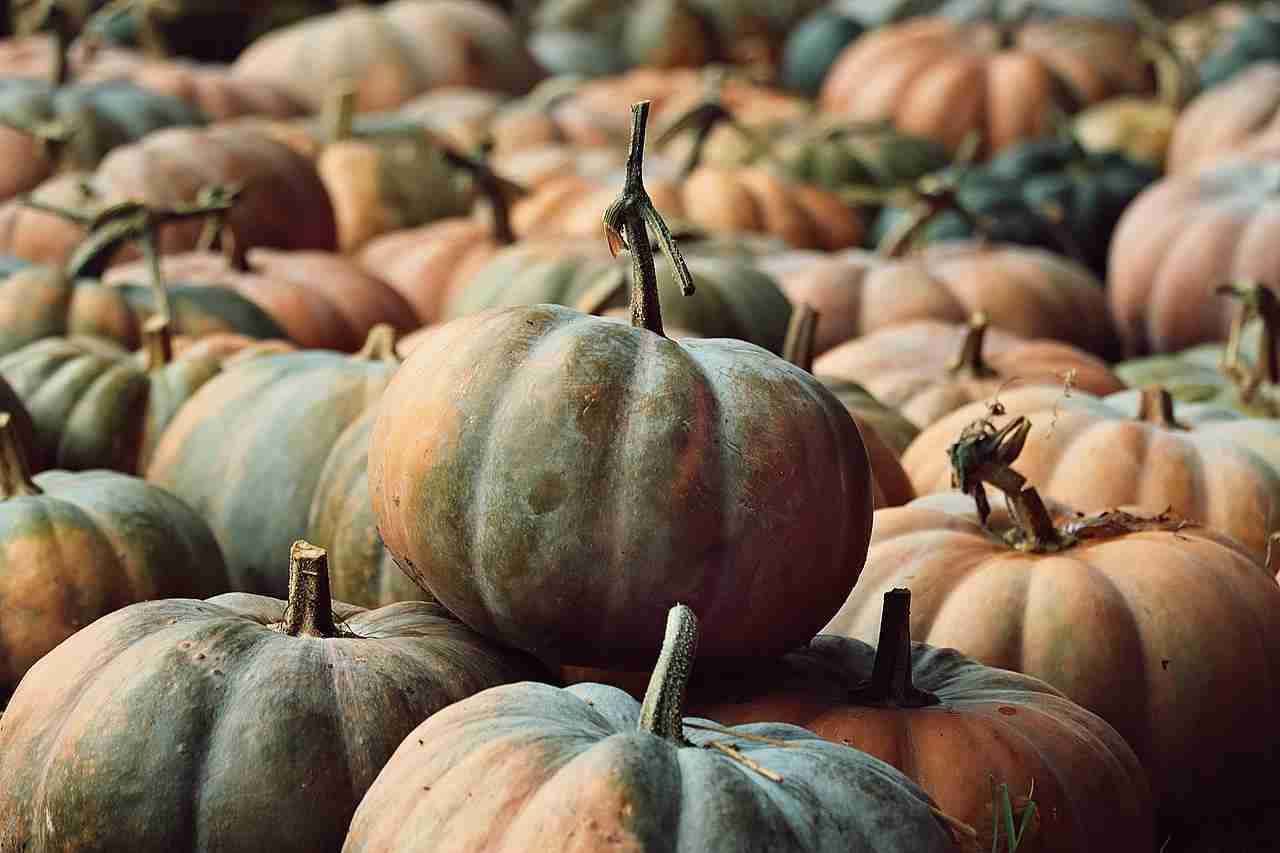
The Bountiful Harvest: Understanding Corns Role in Agriculture
Corn has long been a cornerstone of agriculture, not only for its nutritional value but also for its versatility across various food products and industries. Rich in carbohydrates, this golden crop serves as a fundamental energy source for both humans and livestock. Beyond its role as a food staple, corn contributes significantly to the economy. Farmers cultivate a multitude of varieties—such as sweet corn for fresh consumption, field corn for animal feed, and popcorn for snacking—ensuring that its utility spans across both culinary and industrial realms.
The journey of corn from the field to fiesta involves several meticulous steps, each critical in maintaining the quality and flavor of the final product. After harvesting, corn undergoes processing techniques such as drying, milling, and fermentation, which enhance its usability. Additionally, numerous products derived from corn create a rich tapestry of flavors and textures enjoyed in various culinary traditions, including:
- Cornmeal for cornbread and tortillas
- Corn syrup as a sweetener
- Corn oil for cooking and frying
- Starch for thickening sauces and gravies
To reflect the diverse applications of corn in agriculture and economy, the following table highlights various corn uses:
| Category | Uses |
|---|---|
| Food Products | Flour, Grits, Corn Chips |
| Animal Feed | Silage, Grain |
| Industrial | Bioplastics, Ethanol |
| Chemicals | Adhesives, Sweeteners |
Transforming Kernels: The Innovative Processing Techniques
Harnessing the full potential of corn kernels involves a plethora of innovative processing techniques that redefine how we perceive this versatile crop. Milling stands out as a primary method, transforming whole corn into various flour textures, from coarse to fine. This versatility allows for different culinary applications, nurturing traditional recipes alongside modern gastronomical experiments. Germination is another trailblazing technique that not only enhances nutritional value but also unlocks rich flavors, giving rise to products like malt for brewing or tortillas with a twist. Beyond milling and germination, emerging methods such as extrusion have gained traction, creating snacks that are both crunchy and nutritious, catered to the on-the-go snack market.
To illustrate the fascinating journey from kernel to consumer, consider the following processing techniques that have revolutionized the corn industry:
| Technique | Benefits |
|---|---|
| Milling | Variety of flour textures; adaptive to recipes |
| Germination | Improved nutrition; rich flavors |
| Extrusion | Innovative snack options; appealing textures |
Each technique gives corn its unique identity, contributing to an array of end products that fill grocery aisles and kitchens worldwide. As technology advances, these transformative methods continue to evolve, ensuring that corn processing remains at the forefront of food innovation. By pushing boundaries and merging tradition with creativity, the journey of corn from field to fiesta is nothing short of a culinary adventure.

Culinary Delights: Exploring Corns Versatile Applications
The journey of corn from field to fiesta leaves a trail of delectable possibilities, showcasing its remarkable versatility in the kitchen. Corn can be transformed into a myriad of dishes that cater to different palates and cuisines. Think beyond just the classic corn on the cob and delve into the world of popcorn, cornbread, and tortillas. Each transformation embodies a unique cultural heritage, inviting food lovers to experience the rich tapestry of flavors and textures that corn provides. Here are some creative culinary uses for corn:
- Popcorn: A beloved snack, perfect for movie nights or a festive gathering.
- Corn Flour: Integral for making gluten-free baked goods and traditional dishes like polenta.
- Corn Salsa: A zesty topping that brightens tacos and grilled meats.
- Sweet Corn Soup: A comforting dish that radiates warmth and is perfect for chilly evenings.
Beneath the surface, corn processing reveals even more culinary treasures. When properly processed, corn can yield high-quality ingredients that enrich our favorite recipes. Here’s a snapshot that illustrates its applications:
| Product | Key Ingredients | Common Uses |
|---|---|---|
| Corn Syrup | Corn starch | Sweetener in candies and beverages |
| Corn Oil | Corn germ | Cooking and frying oil |
| Hominy | Dried corn kernels | Base for dishes like posole |
| Cornmeal | Ground corn kernels | Use in baked goods and breading |

Sustainable Practices: Recommendations for Eco-Friendly Corn Processing
The journey from field to fiesta can be enriched by adopting sustainable practices throughout the corn processing chain. By integrating eco-friendly methods, agricultural producers and processors can significantly reduce their environmental impact. To start, consider the following actions:
- Crop Rotation: Implementing a diverse crop rotation system can enhance soil health, reduce pests, and improve yields, ultimately leading to less reliance on chemical fertilizers and pesticides.
- Water Conservation: Utilizing drip irrigation systems can minimize water wastage while ensuring that crops receive the optimal amount of moisture.
- Composting: Recycling corn by-products and organic waste through composting helps return nutrients to the soil and reduces landfill contributions.
- Energy Efficiency: Switching to renewable energy sources, such as solar or wind power, can reduce the carbon footprint of processing facilities.
Furthermore, the use of innovative technologies can support eco-friendly practices along the supply chain. Incorporating the following techniques can further optimize sustainability:
| Technique | Description |
|---|---|
| Precision Agriculture | Utilizes GPS and IoT sensors to maximize resource efficiency, tailoring inputs to the specific needs of crops. |
| Biodegradable Packaging | Opting for biodegradable materials helps minimize plastic waste generated during processing and distribution. |
| Closed-loop Systems | Recycling waste materials from processing back into the production cycle to create a zero-waste environment. |
By embracing these techniques and recommendations, the corn processing industry can transform its practices, leading to a healthier planet while celebrating the vibrant diversity that corn brings to our meals.
In Summary
As we draw the curtain on our exploration of corn’s remarkable journey from field to fiesta, it becomes clear that this vibrant grain encompasses far more than its humble origins. Each kernel tells a story—a narrative of cultivation, innovation, and cultural celebration that transcends borders and generations. From traditional farming practices to cutting-edge processing techniques, corn not only sustains us but also weaves itself into the rich tapestry of our culinary landscapes.
As we savor the flavors and traditions that corn inspires, we are reminded of the importance of heritage and sustainability in our food systems. The next time you indulge in a delicious tortilla, a bowl of buttery popcorn, or a festive tamale, consider the countless hands that have nurtured and shaped this crop along its journey. Corn is not just a staple; it’s a bridge between the earth and our tables, a testament to human ingenuity, and a cornerstone of celebration in communities worldwide.
So, as we celebrate this extraordinary grain, let us continue to honor its legacy by supporting local farmers, embracing sustainable practices, and cherishing the culinary traditions that bring us together. Here’s to corn—a small but mighty kernel that nourishes not just our bodies but our cultures and our connections, turning every meal into a fiesta of flavors and stories.



