
From Cob to Connaisseur: The Art of Corn Processing
In the vibrant tapestry of human civilization, few staples have woven themselves into the fabric of culture quite like corn. From humble beginnings as a wild grass to its pivotal role on dinner plates around the globe, corn’s journey is nothing short of remarkable. Beyond its golden kernels and hearty husks lies a world rich with tradition and innovation, where the art of corn processing transforms this simple grain into a myriad of culinary delights. In this exploration of “From Cob to Connaisseur,” we will delve into the intricate processes that elevate corn from its raw state to refined products, examining the techniques that honor both its historical significance and contemporary creativity. Join us as we unravel the stories behind tortillas, polenta, and corn whiskey, celebrating the alchemy of a crop that has captivated the hearts and palates of many.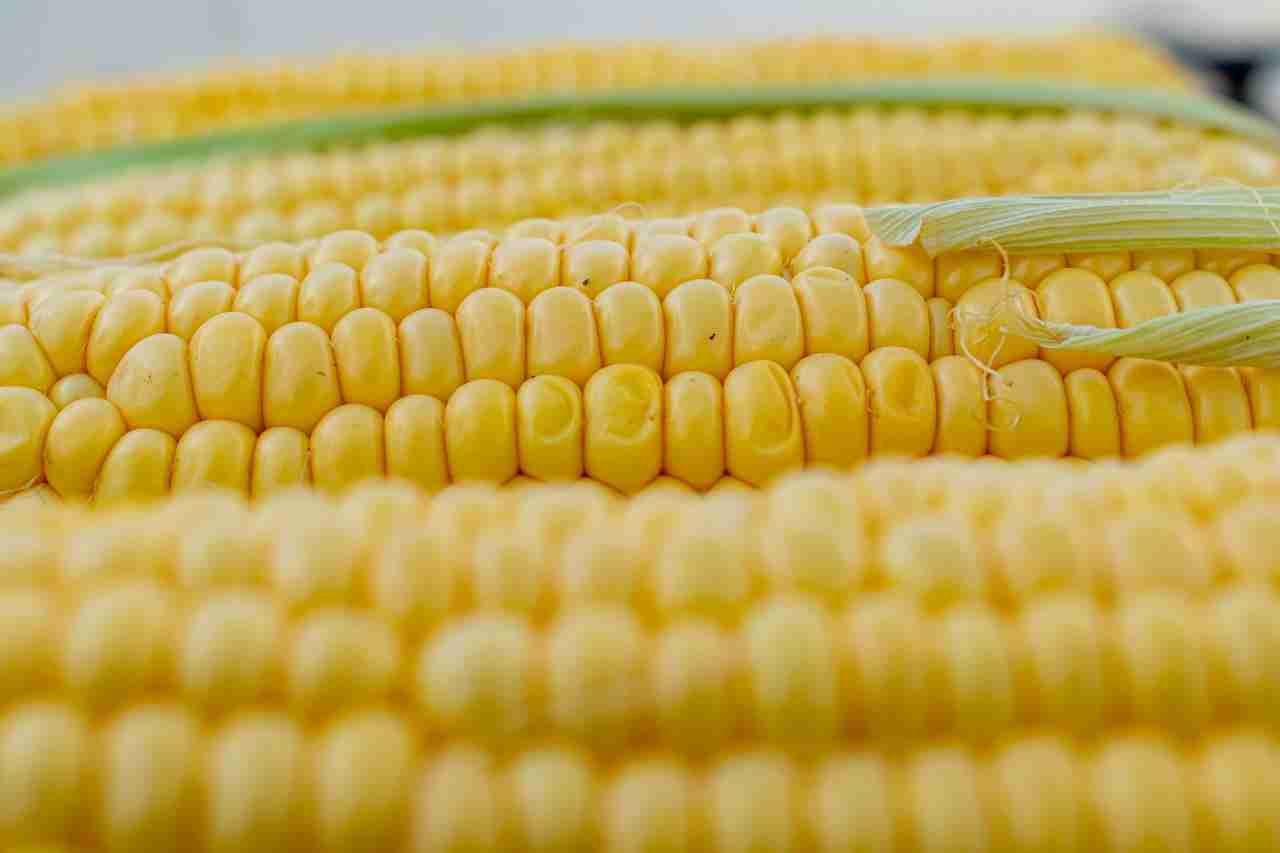
The Journey of Corn: From Field to Fork
The journey of corn is a captivating story that begins in lush, sun-kissed fields, where dedicated farmers nurture the plants through cycles of growth and change. As the tall green stalks sway in the breeze, they absorb sunlight, rain, and nutrients from the soil, ultimately leading to the formation of golden cobs. Once the corn reaches its peak maturity, harvest season begins, and each ear is carefully picked to ensure quality. Following the harvest, several methods of processing bring out the corn’s versatility:
- Drying: Reducing moisture content to prevent spoilage.
- Milling: Grinding the kernels to create cornmeal, grits, or flour.
- Fermentation: Transforming kernels into snacks like popcorn or even alcoholic beverages.
- Packaging: Ensuring freshness through airtight seals for retail distribution.
From the field to processing facilities, corn is meticulously prepared while preserving its quality. The transformation does not end there; corn serves as a key ingredient in various culinary delights across global cuisines. Understanding the different types of corn products that have emerged from this nutritious staple is essential for any food enthusiast. Below is a brief comparison of popular corn varieties and their uses:
| Type of Corn | Description | Common Uses |
|---|---|---|
| Sweet Corn | High sugar content, enjoyed tender. | Salads, grilling, canned vegetables. |
| Field Corn | Low sugar, primarily for livestock feed. | Animal feed, ethanol production. |
| Popcorn | Kernel with a hard shell that pops. | Snacks, movie theaters. |
| Flint Corn | Hard kernels, colorful varieties. | Decorative uses, cornmeal. |

Mastering Traditional Techniques in Corn Processing
Embracing the rich heritage of corn processing requires a mastery of techniques that have been passed down through generations. From the humble corn cob to an exquisite culinary creation, each step in the process is an art form in itself. The transformation begins with selecting the right variety of corn, as different types yield distinct flavors and textures. Once harvested, traditional methods such as drying and soaking can dramatically enhance the corn’s natural characteristics, allowing for the development of flavors that modern processing might overlook. These methods not only celebrate the grain’s essence but also rejuvenate time-honored practices, encouraging a deeper connection to the land and its resources.
The essence of traditional corn processing is further illustrated through methods like nixtamalization, which enhances the nutritional value and flavor of the corn. This ancient technique involves soaking corn in an alkaline solution, typically limewater, which unlocks the grain’s potential and makes it a staple for creating tortillas and tamales. A few other noteworthy techniques include:
- Hominy Production: Corn kernels treated with an alkali to remove the hull, resulting in a soft, flavorful grain.
- Grinding: Using stone mills or grinders to create masa, a dough that serves as the foundation for many traditional dishes.
- Fermentation: An age-old method used to create unique flavors while preserving the corn, leading to dishes such as atole or pozole.
| Technique | Purpose | Final Product |
|---|---|---|
| Nixtamalization | Enhances flavor & nutrition | Tortillas, tamales |
| Grinding | Creates masa | Bread, dumplings |
| Fermentation | Flavor development | Atole, pozole |
Innovative Applications of Corn in Modern Cuisine
Modern chefs are embracing the versatile nature of corn, transforming this humble grain into innovative culinary masterpieces. By exploring various methods of preparation, they are elevating traditional dishes and creating entirely new flavor profiles. For instance, corn velouté serves as an elegant base for various soups, skillfully combining corn stock with cream to achieve a luxurious texture. Additionally, corn gastrique, a sweet and tangy sauce made from reduced corn syrup and vinegar, can enhance the taste of grilled meats and roasted vegetables, adding a unique twist that surprises the palate.
In the realm of desserts, corn has found its way into corn panna cotta, where the creamy custard is infused with sweet corn purée, resulting in a smooth and subtly sweet end to a meal. Furthermore, innovative utilization of corn in dessert tacos, filled with creamy custards or delectable sorbets, offers a playful take on traditional sweets. Chefs are also experimenting with corn flour, not only for traditional items like tortillas but also for pastries and breads, resulting in baked goods that capture a distinctive flavor and texture profile. The table below illustrates some of these creative applications and their pairings:
| Application | Pairing/Use |
|---|---|
| Corn Velouté | Creamy soups, seafood |
| Corn Gastrique | Grilled meats, roasted veggies |
| Corn Panna Cotta | Light dessert option |
| Dessert Tacos | Filled with custards, sorbets |
| Corn Flour Breads | Pastries, traditional bread |

Sustainable Practices for the Future of Corn Processing
As society increasingly prioritizes sustainability, the corn processing industry is adapting its methods to ensure a greener future. The implementation of regenerative agricultural techniques plays a pivotal role in maintaining soil health and biodiversity, paving the way for not only higher yields but also a reduced carbon footprint. Techniques such as cover cropping, crop rotation, and precision farming allow for the responsible cultivation of corn, enhancing organic matter and minimizing the need for synthetic inputs. By focusing on the health of the ecosystem, producers can support both economic viability and environmental stewardship.
In addition to the cultivation methods, the processing stage of corn also demands an eye towards sustainability. Innovations in water management and energy efficiency can drastically decrease waste and reduce greenhouse gas emissions. For example, technologies like biogas generation from processing by-products can create renewable energy sources. Furthermore, the adoption of zero-waste systems encourages the utilization of every part of the corn — from husks to cobs. Here’s a simple breakdown of these sustainable practices:
| Practice | Description |
|---|---|
| Cover Cropping | Planting crops in between corn seasons to improve soil health. |
| Precision Farming | Using technology to optimize field-level management with respect to crop farming. |
| Biogas Generation | Converting organic waste into a renewable energy source. |
| Zero-Waste Systems | Using all parts of the corn to minimize waste and enhance sustainability. |
In Summary
As we conclude our journey through the fascinating world of corn processing, we’ve uncovered not only the intricate methods that transform simple kernels into gourmet delights but also the deep cultural significance that this humble grain holds in various societies. From the rustic cob, plucked fresh from the fields, to the refined dishes gracing the tables of connoisseurs, corn processing is a testament to human ingenuity and culinary evolution.
In embracing both tradition and innovation, we find that corn transcends its role as a mere staple, evolving into an art form that celebrates flavors, textures, and memories. Whether it’s the comforting aroma of a homemade cornbread or the delicate presentation of a gourmet corn dish, each bite tells a story—a tale of agriculture, craftsmanship, and passion.
So, the next time you indulge in a corn-inspired creation, take a moment to appreciate not just the taste but also the journey that brought it to your plate. From cob to connoisseur, the art of corn processing continues to inspire and connect us, reminding us that in every kernel lies a world of possibilities.



