
Unlocking the Secrets of Corn Processing: A Step-by-Step Guide
Corn, a staple that has nourished civilizations for thousands of years, holds a unique place in agricultural history and modern culinary practices. Beyond its golden kernels lies a world of fascinating processes that transform raw corn into a myriad of products—from fluffy cornbread to vibrant corn syrup. Yet, behind the familiar flavors and textures that grace our tables, the journey of corn is rich with tradition, science, and innovation. In this guide, we will peel back the layers of corn processing, illuminating the methods and techniques that highlight its versatility. Whether you are an aspiring chef, a curious home cook, or simply a food enthusiast, join us as we embark on a step-by-step exploration to unlock the secrets of this remarkable grain. From harvest to table, discover how each stage not only enhances the qualities of corn but also connects us to the agricultural roots that sustain us.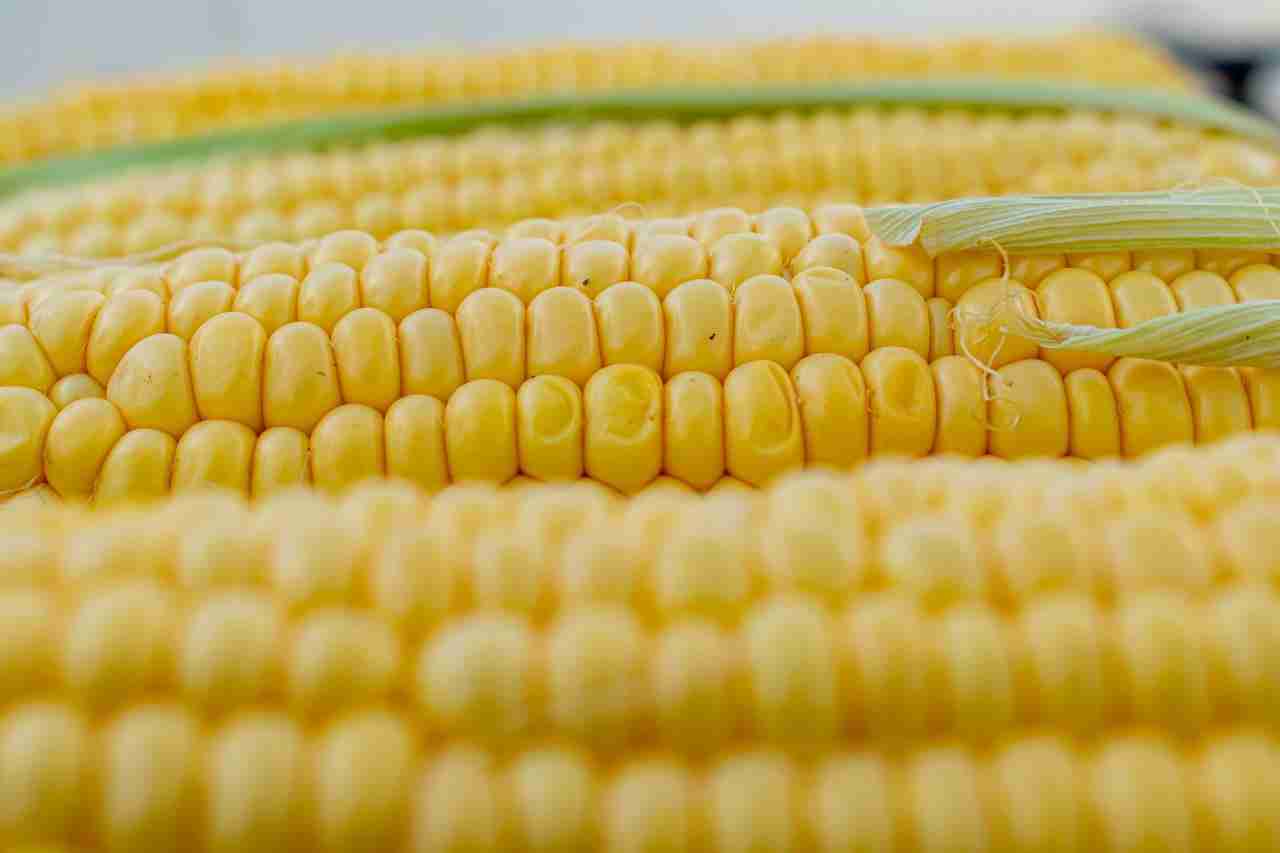
Understanding the Fundamentals of Corn Processing
Corn processing is a fascinating journey that transforms raw kernels into a variety of products essential for both human consumption and industrial use. At the core of corn processing lies a series of steps that include cleaning, grinding, and fermenting. These fundamental stages ensure that the corn is not only safe for consumption but also optimized for various applications. Each step plays a crucial role, beginning with the initial cleaning where impurities are removed. Following this, the corn is typically milled, which involves grinding the kernels into meal or flour, essential for a plethora of recipes. To further enhance the corn’s utility, fermentation processes are employed, allowing for the derivation of products like ethanol and corn syrup.
To better understand this process, consider the various end products that can arise from corn processing, categorized into three main groups: food products, industrial applications, and animal feed. This classification not only illustrates the versatility of corn but also its significance across various sectors. Here’s a brief overview highlighting some examples:
| Category | Examples |
|---|---|
| Food Products | Cornmeal, Tortillas, Corn syrup |
| Industrial Applications | Ethanol, Bioplastics, Corn starch |
| Animal Feed | Hominy feed, Corn gluten meal |
Understanding these fundamentals can open doors to innovative uses of corn, ensuring that not only are we maximizing its potential but also appreciating its role in various sectors. The complexity and coherence of corn processing reflect a deep-rooted agricultural heritage that continues to evolve with modern technology and sustainable practices.
Essential Equipment for Efficient Corn Transformation
Transforming corn into various products requires a strategic selection of tools and machines that streamline the process, ensuring efficiency and consistency. At the heart of any successful corn processing operation are industrial-grade grinders and extruders. Grinders break down kernels into fine flour or meal, while extruders use heat and pressure to create a variety of textures suitable for different food applications. To maintain the quality and flavor profiles, automated sorting systems are also essential for removing impurities and ensuring uniformity in the product.
Additional equipment that enhances productivity includes fermentation tanks for producing corn-based alcohols and separators for extracting valuable by-products like corn oil. Investing in packaging machinery is crucial for preserving freshness and extending shelf life, allowing for efficient distribution. Below is a simple overview of key equipment:
| Equipment | Purpose |
|---|---|
| Industrial Grinders | To mill corn into flour or meal. |
| Extruders | To create various textures of corn products. |
| Automated Sorting Systems | To ensure product uniformity and remove impurities. |
| Fermentation Tanks | For producing alcoholic beverages. |
| Separators | For extracting valuable oils and by-products. |
| Packaging Machinery | To preserve freshness and facilitate distribution. |

Techniques for Maximizing Yield and Quality
To achieve exceptional yield and quality in corn processing, implementing effective techniques is essential. One foundational method is proper seed selection, as high-quality, disease-resistant seeds can significantly influence the outcome. Additionally, ensuring optimal planting conditions by monitoring soil moisture and temperature can further enhance growth. Other strategies include:
- Crop Rotation: Enhances soil health and nutrient availability.
- Integrated Pest Management: Minimizes the use of chemicals and promotes natural pest control.
- Soil Testing: Regular testing helps in customizing fertilization plans to meet specific nutrient needs.
Furthermore, maintaining optimal harvesting times is crucial for maximizing both yield and quality. Harvesting when the corn is at peak ripeness not only ensures better flavor profiles but also increases the nutritional value of the produce. It’s also important to utilize modern processing techniques like precision drying, which can prevent spoilage and improve shelf-life. Below is a concise overview comparing traditional vs. modern processing methods:
| Aspect | Traditional Methods | Modern Techniques |
|---|---|---|
| Efficiency | Lower efficiency, labor-intensive | Higher efficiency, automation involved |
| Quality Control | Varies, often manual checks | Consistent, data-driven adjustments |
| Resource Use | Higher water and energy consumption | Designed for sustainability and reduced waste |

Sustainability Practices in Modern Corn Processing
In an era where environmental consciousness is paramount, the corn processing industry has made significant strides toward sustainability. Practices such as water conservation, energy efficiency, and the implementation of circular economy principles are gaining traction. Many processors are investing in advanced technologies that minimize water usage and reduce waste, ensuring that every kernel of corn is utilized efficiently. Techniques such as co-products utilization, where by-products from corn processing are repurposed for animal feed or bio-energy production, demonstrate a commitment to reducing environmental impact while maximizing resource utilization.
Moreover, food processors are increasingly sourcing their corn from sustainable farming practices that emphasize soil health and biodiversity. By partnering with farmers who utilize crop rotation, reduced tillage, and organic methods, the industry can lower its carbon footprint. Incorporating renewable energy sources, such as bioenergy and solar power, into processing plants further solidifies the commitment to sustainability. These initiatives pave the way for a greener future, demonstrating that the corn processing industry can be both productive and environmentally responsible.
Concluding Remarks
As we wrap up our journey through the intricate world of corn processing, we hope this guide has illuminated the often-overlooked steps that transform this humble grain into a myriad of products we cherish. From the initial harvest to the final packaging, each phase is a meticulous dance of nature and technology that highlights the versatility and importance of corn in our daily lives.
Whether you’re a food enthusiast looking to deepen your knowledge or an aspiring processor eager to explore new possibilities, understanding these techniques unlocks a wealth of potential. Armed with the insights shared here, you can appreciate not just the flavor but the craftsmanship behind every kernel of corn.
Remember, every great product begins with a single step. So, as you embark on your own corn processing endeavor, let this guide serve as your compass, leading you toward creativity, innovation, and a deeper connection to this remarkable staple. Here’s to unlocking the secrets of corn and celebrating the journey it takes from field to table!



