
Introduction: Unveiling the Journey from Kernel to Kit
In a world where the mundane often masquerades as the miraculous, few ingredients hold as much significance as corn. This seemingly simple golden grain, a staple in countless diets across the globe, has undergone an extraordinary transformation long before it graces our tables. From rustic farms where it first sprouts to the intricate commercial facilities that process it, the journey of corn is nothing short of remarkable. In this article, we will embark on a fascinating exploration of corn processing—an intricate dance of nature and technology that breathes life into the whole kernel, turning it into an array of delightful products we may take for granted in our daily lives. Join us as we peel back the layers of this vibrant crop, unveiling the meticulous journey that leads from the humble field to the sophisticated kits found in kitchens everywhere.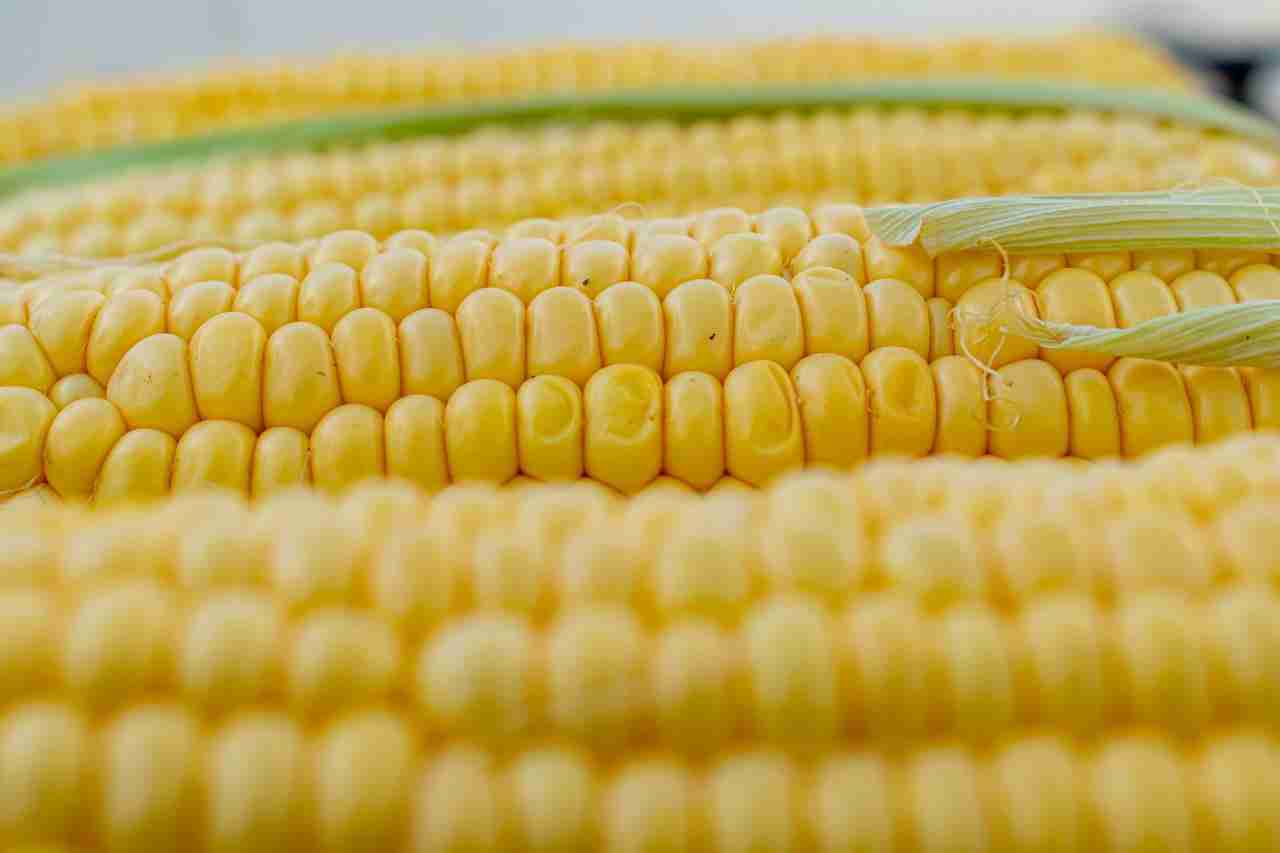
Exploring the Anatomy of Corn: From Kernel to Cornmeal
Corn, a staple across many cultures, contains a fascinating structure that begins with its outer protective layer—the husk. Beneath this layer lies the kernel, which is the heart of the corn plant. Each kernel is packed with essential nutrients, starches, and a little germ. The germ is critical as it contains the plant’s potential for growth and development, while the endosperm, surrounding the germ, serves as the energy source during germination. As we journey through the anatomy, it’s worth noting the role of pericarp in safeguarding the kernel; a robust hull that helps preserve moisture and nutrients well past harvest.
The transformation from these vibrant kernels to cornmeal involves meticulous processing. Once harvested, the kernels undergo drying and grinding. The distinct phases of processing can be broken down into key stages:
- Harvesting: Kernels are collected from cornfields.
- Drying: Moisture is reduced to prevent spoilage.
- Milling: Kernels are ground into a fine powder.
This intricate journey reveals the inherent versatility of corn, evolving from a simple plant into a fundamental ingredient across cuisines. Cornmeal, created from this process, serves as a foundation for countless dishes, showcasing the rich flavors and textures that the humble kernel offers.
| Kernel Component | Function |
|---|---|
| Husk | Protects the ear of corn and retains moisture |
| Germ | Contains embryo for growth |
| Endosperm | Energy supply during germination |
| Pericarp | Outer layer, provides protection |
Innovative Techniques in Corn Processing: Transforming Grains into Gourmet
With the demand for healthier and more diverse food options, the corn processing industry has embraced innovative techniques to transform humble kernels into gourmet products. One such technique is the use of wet milling technology, allowing producers to separate the kernel into its individual components: starch, fiber, protein, and oils. This versatile approach not only maximizes the nutritional value but also opens avenues for creating unique food items and ingredients that cater to modern culinary needs. Additionally, extrusion processing—a method that combines cooking, shearing, and shaping—facilitates the creation of extruded snacks and cereals, pushing traditional boundaries while retaining essential nutrients and flavors.
Moreover, fermentation techniques are gaining traction in elevating corn-based products. By fermenting corn starch with specific cultures, food innovators are crafting tangy and probiotic-rich items that appeal to health-conscious consumers. The resurgence of ancient grains, alongside fortified corn products, demonstrates the industry’s shift toward sustainability and flavor diversity. To further illustrate this evolution, consider the following comparison of traditional vs. modern corn processing methods:
| Traditional Methods | Modern Techniques |
|---|---|
| Dry milling for grits and cornmeal | Wet milling for diverse products |
| Limited flavor profiles | Flavor enhancement through fermentation |
| Basic snack foods | Gourmet snacks with nutritional fortification |
Sustainability in Corn Production: Best Practices for Ethical Processing
Ethical processing in corn production hinges on a variety of sustainable practices that cater to both the environment and society. Utilizing crop rotation and cover cropping can enhance soil health, reducing the need for chemical fertilizers and minimizing erosion. These techniques not only sustain the land but also improve water retention, leading to more resilient crops. Additionally, leveraging integrated pest management (IPM) minimizes pesticide use by promoting natural pest predators and utilizing crop diversity, creating a more balanced ecosystem within corn farming.
Moreover, farmers are encouraged to adopt precision agriculture techniques, such as using satellite technology and drones to monitor crop health and soil conditions. This data-driven approach ensures efficient resource use and minimizes waste, effectively lowering the carbon footprint of corn production. Collaboration with local communities is essential; by fostering partnerships with neighboring farms and participating in fair trade initiatives, producers can support local economies and promote ethical labor practices. Here’s a brief look at the sustainable methods applied in corn production:
| Sustainable Practice | Benefit |
|---|---|
| Crop Rotation | Enhances soil fertility |
| Cover Cropping | Reduces erosion |
| Integrated Pest Management | Minimizes chemical use |
| Precision Agriculture | Efficient resource usage |
| Fair Trade Initiatives | Support local farmers |
Culinary Applications: Elevating Dishes with Processed Corn Products
Processed corn products are a marvel of versatility in the culinary world, transforming humble kernels into delectable ingredients that elevate dishes across numerous cuisines. From the crystalline flakes of corn starch used as a thickening agent in sauces to the golden, crispy texture of cornmeal in cornbread, these products are essential for adding depth and character to everyday meals. Corn syrup, for example, brings a touch of sweetness to baked goods whereas corn flour can lend a delightful nutty flavor to a variety of batters and bread recipes, making it a favored choice for gluten-free options.
Chefs and home cooks alike have embraced the rich palette of flavors and textures available through processed corn. Consider the following ingredients that can elevate your culinary creations:
- Popcorn: A satisfying snack and a fun addition to trail mixes or as a crunchy topping for salads.
- Corn tortillas: A staple in Mexican cuisine, perfect for enchiladas or tacos, offering a fresh and traditional base.
- Hominy: Used in dishes like posole, it lends a hearty and hearty quality to soups and stews.
| Processed Corn Product | Culinary Use | Unique Flavor Profile |
|---|---|---|
| Cornmeal | Fried foods, baking | Nutty, slightly sweet |
| Corn Starch | Thickening sauces | Neutral |
| Sweet Corn | Salads, salsas | Fresh, sweet |
With such a rich variety of options, processed corn serves not only as a facilitator of flavor but also enhances texture, nutrition, and presentation. By incorporating these ingredients into your cooking, you can delight in the endless possibilities that corn brings to the table, transforming even the simplest of dishes into culinary masterpieces.
Wrapping Up
As we draw the curtain on the fascinating journey of corn processing, we hope to have shed light on the intricate transformation of humble kernels into a myriad of products that enrich our daily lives. From the ancient cultivation practices of indigenous communities to the modern technologies that revolutionize the industry, every step in this journey reflects humanity’s ingenuity and adaptability.
The process may seem straightforward, but it is anything but simple. Each stage—harvesting, milling, refining, and manufacturing—plays a crucial role in bridging agriculture with innovation, health, and sustainability. Whether it’s turning corn into sweeteners for our snacks, starches for our sauces, or biofuels for our energy needs, corn continues to be an indispensable part of both our diets and our economy.
As we navigate a world increasingly driven by the need for sustainable practices, the understanding of corn’s versatile processing will become ever more important. From field to factory to fork, the story of corn is an ongoing testament to our connection with nature, technology, and our shared future. We invite you to reflect on this journey the next time you encounter a corn-derived product, for each bite carries with it the legacy of tradition and innovation intertwined.



