
In the quiet hum of the mill, ancient grains transform into fine powder, ready to become the foundation of countless culinary creations. This meticulous process, known as cereal milling, is an art form as old as agriculture itself. Join us on a journey through the intricate world of grain to flour, where tradition meets innovation in the pursuit of perfecting this essential ingredient.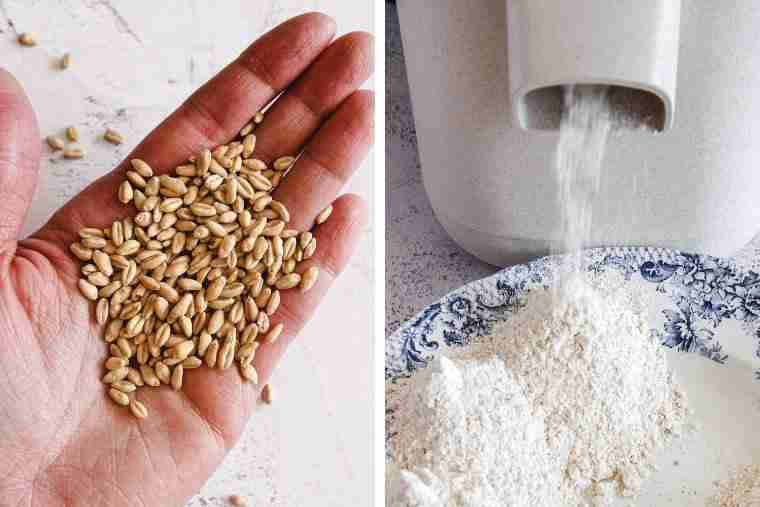
Exploring the History and Evolution of Cereal Milling Techniques
Throughout history, cereal milling has played a crucial role in the production of flour, a staple ingredient in countless culinary creations. The evolution of cereal milling techniques has been a fascinating journey, transforming grains into various forms of flour using innovative methods.
From ancient hand-milling to modern industrial processes, the art of cereal milling has continuously evolved. **Traditional stone milling** methods have given way to **roller milling** technology, revolutionizing the efficiency and precision of flour production. These advancements have not only increased the speed and output of milling but also improved the quality and consistency of the final product.
The Science Behind Grain Processing and Flour Production
Cereal milling is an intricate process that transforms raw grains into fine, powdery flour ready for various culinary uses. This process involves a series of steps that aim to extract the valuable components of the grain while preserving their nutritional qualities.
is fascinating:
- The first step in cereal milling is cleaning the grains to remove any foreign materials like stones, dust, and debris.
- Next, the grains are tempered with water to soften them, making it easier to remove the outer layers during milling.
- The tempered grains are then milled to break them down into smaller particles and separate the endosperm, bran, and germ.
- Finally, the flour is sifted to remove any remaining impurities and achieve the desired consistency.

Maximizing Efficiency and Quality in the Milling Process
Milling cereal grains is a complex process that involves multiple steps to transform raw grains into high-quality flour. To maximize efficiency and quality in the milling process, it is essential to pay attention to every detail and ensure precision at every stage.
One key aspect of maximizing efficiency in cereal milling is optimizing the cleaning and conditioning of the grains before they are milled. Proper cleaning removes impurities such as stones, dirt, and debris, while conditioning ensures that the grains have the right moisture content for milling. By investing in state-of-the-art cleaning and conditioning equipment, mills can improve the quality of the final product and reduce the risk of contamination.

Innovative Technologies and Sustainable Practices in Modern Flour Production
In the world of flour production, the process of cereal milling is truly an art form. With the advancements in technology and a focus on sustainable practices, modern flour production has evolved to become more efficient and environmentally friendly. One key innovation in this industry is the use of stone milling technology, which is known for preserving the natural flavors and nutrients of the grains. This process involves grinding the grains between two large stones, resulting in a finer and more flavorful flour.
Another innovative technology in modern flour production is the use of digital monitoring systems to optimize the milling process. These systems allow for real-time monitoring of key parameters such as temperature, moisture levels, and grain size, ensuring consistent quality in the final product. Additionally, many flour mills are adopting sustainable practices such as energy-efficient machinery, waste reduction strategies, and sourcing grains from local farmers to reduce their carbon footprint and support the community.
Wrapping Up
As we conclude our journey through the art of cereal milling, we hope that you have gained a deeper appreciation for the intricate process that transforms grains into the versatile and essential ingredient we know as flour. From the ancient techniques passed down through generations to the modern innovations driving efficiency and sustainability, the world of cereal milling is a testament to the power of human ingenuity and dedication. So, the next time you enjoy a slice of bread or a freshly baked pastry, take a moment to savor the journey that brought that flour to your plate, and remember the artisans and craftsmen who have perfected the art of cereal milling.



