
In the heart of many culinary traditions lies a humble yet remarkable ingredient: corn. From the sweet, golden kernels that brighten our plates to the versatile flour that enriches our baked goods, corn serves as a cornerstone of nourishment across cultures. Yet, behind its simple exterior lies a fascinating journey—a transformation that takes this vibrant grain from the field to the table. “From Kernel to Table: Unveiling the Art of Corn Processing” explores the intricate processes that elevate corn from its raw form into a myriad of culinary delights. Join us as we delve into the age-old practices and innovative techniques that not only honor this extraordinary crop but also showcase its profound impact on our daily lives and diets. Whether you’re a curious home cook or a seasoned chef, understanding the art of corn processing opens the door to a world of flavors and possibilities waiting to be discovered.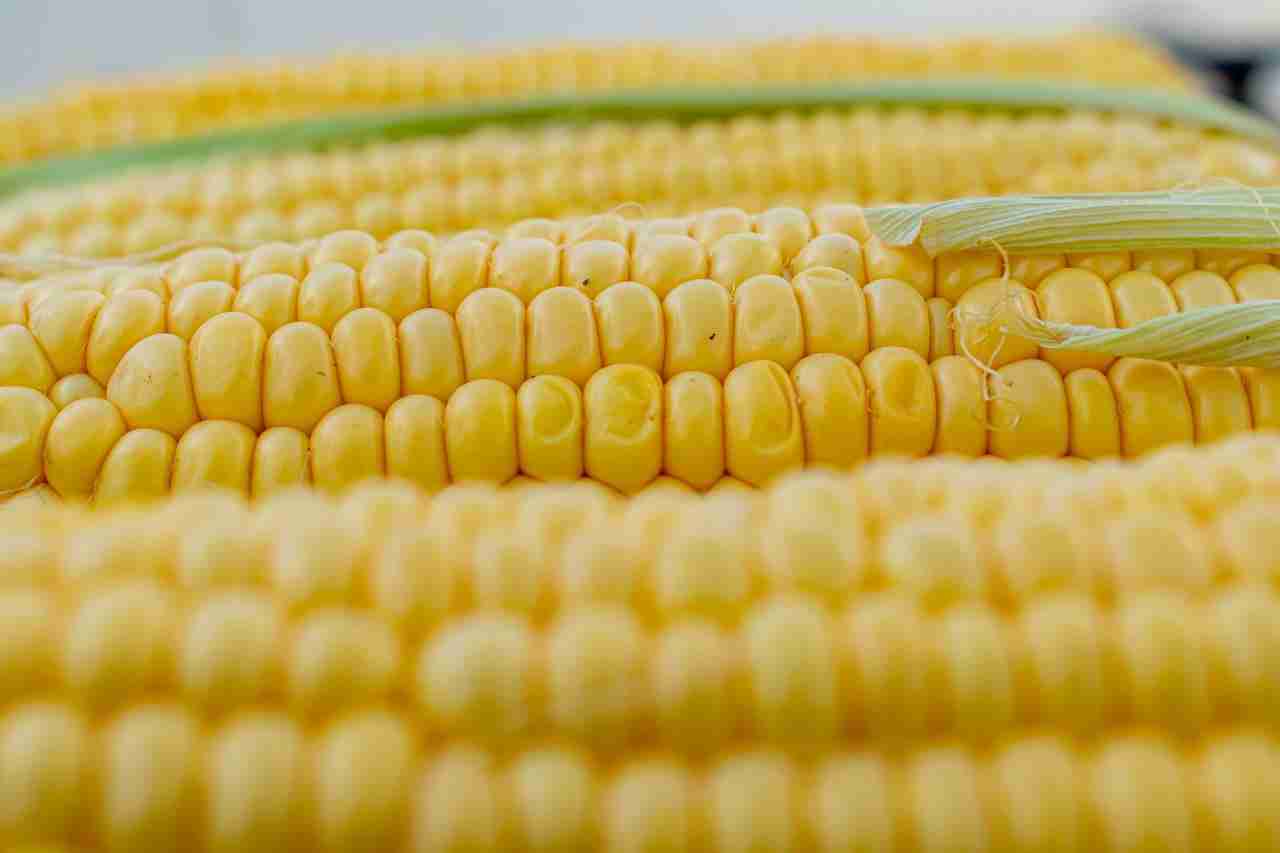
Exploring the Journey of Corn from Field to Fork
The journey of corn is a fascinating transformation that begins far beyond the dining table in abundant fields that sway under the sun. Once harvested, these golden kernels travel through a meticulous processing pipeline. Each stage is critical to unlocking their culinary potential, beginning with cleaning, where debris and impurities are removed, followed by milling, which breaks the kernels down into various forms including flour and meal. The processing line doesn’t end there; it continues with cooking, where heat activates changes that enhance flavors and textures, ultimately preparing corn products to be more receptive to seasoning and pairing.
As the corn progresses through its metamorphosis, consumers can appreciate the variety that emerges from simple kernels. The versatility of processed corn can be categorized into several delightful forms:
- Cornmeal: A staple for baking and frying
- Popcorn: A light and airy snack, perfect for movie nights
- Polenta: A creamy, comforting dish that makes a great base or side
- Corn Syrup: A sweetener that adds richness to desserts
The table below succinctly summarizes the nutritional values of various corn products, showcasing their role in a balanced diet:
| Product | Calories (per 100g) | Carbohydrates (g) | Protein (g) | Fiber (g) |
|---|---|---|---|---|
| Cornmeal | 365 | 76 | 9 | 7 |
| Popcorn | 375 | 78 | 12 | 15 |
| Polenta | 70 | 15 | 2 | 1 |
| Corn Syrup | 286 | 76 | 0 | 0 |
Essential Techniques in Corn Processing
Corn processing is a multifaceted journey that transforms simple kernels into a plethora of products enjoyed across various cultures. At the heart of this transformation lie several essential techniques that enable processors to extract maximum value from each corn kernel. Dry milling and wet milling are two primary methods, each serving unique purposes. While dry milling focuses on producing corn flour, grits, and meal, wet milling separates the kernel into its constituent components—starch, gluten, and oil—yielding ingredients used in everything from sweeteners to bioplastics.
Moreover, the process of nixtamalization stands out as a traditional technique that significantly enhances the nutritional profile of corn. By soaking and cooking corn in an alkaline solution, this method not only improves the flavor but also increases the bioavailability of niacin. Additionally, fermentation plays a vital role in creating various products such as masa for tortillas and even alcoholic beverages like tequila. Here’s a brief overview of the primary techniques:
| Technique | Purpose |
|---|---|
| Dry Milling | Produces flour, grits, and cornmeal. |
| Wet Milling | Separates starch, gluten, and oil for various food products. |
| Nixtamalization | Enhances nutrition and flavor for masa and tortillas. |
| Fermentation | Creates masa and alcoholic beverages like tequila. |

Innovative Uses Beyond the Cob
While corn on the cob may reign supreme at barbecues, the versatile grain has inspired a myriad of innovative applications beyond its traditional uses. For example, corn husks are now commonly repurposed in eco-friendly crafts, transforming them into beautiful decorations or even sustainable home goods. Moreover, cornstarch, a byproduct of processing, serves as a biodegradable alternative to plastic. It’s fascinating how this humble grain can shift industry standards and promote sustainability. Pairing together creativity and innovation, corn has found its niche in the world of biomaterials and packaging, paving the way for a greener future.
In culinary circles, corn is transcending its expected roles and stepping into diverse territories. Chefs are experimenting with corn flour to craft unique pasta and baked goods, enriching textures and flavors while appealing to gluten-free diets. Beyond traditional consumption, corn is being harnessed to create vibrant beverages. Think of corn smoothies and infused spirits that celebrate its sweet, robust profile while highlighting its adaptability. Moreover, with the rise of the plant-based movement, innovative recipes featuring corn protein are becoming popular, adding nutritious and wholesome plant options to menus everywhere.

Sustainable Practices for a Greener Corn Industry
To cultivate a thriving corn industry that respects the planet, it is essential to implement innovative practices that prioritize environmental sustainability. Crop rotation is a fundamental strategy, where farmers alternate corn with other crops to enhance soil health and prevent the depletion of nutrients. Moreover, adopting no-till farming techniques reduces soil erosion and retains moisture, which is vital for maintaining healthy ecosystems. The use of cover crops can also play an essential role, as they protect soil from erosion during the off-season and improve biodiversity, promoting a balanced agricultural system.
Utilizing precision agriculture technologies can further elevate sustainable practices in corn production. By integrating sensors and drones, farmers can monitor crop health and soil conditions in real-time, enabling them to optimize water and fertilizer application while minimizing waste. Additionally, focusing on integrated pest management (IPM) significantly decreases the reliance on chemical pesticides, fostering a more organic approach to pest control. This holistic perspective helps in building resilient farming systems capable of withstanding climate change impacts while ensuring food security.
In Conclusion
As we conclude our journey from kernel to table, we are reminded of the intricate artistry that lies behind every bite of corn-based delicacy. The transformation of humble grains into vibrant dishes is not merely a process but a celebration of culture, innovation, and sustainability. Each stage of corn processing—from the bustling fields to the skilled hands in processing plants and the culinary artists in kitchens—plays a vital role in connecting us to the earth and to one another.
In understanding the depth of this journey, we can appreciate the rich stories woven into the fibers of our favorite cornbread, tortillas, and polenta. Let us continue to explore and honor the fascinating world of corn, a staple that nourishes not just our bodies but also our culinary traditions. With an ever-evolving landscape of techniques and flavors, corn will always have a place at our tables, inviting us to savor the simplicity and complexity of this remarkable grain. So, the next time you relish a corn-infused dish, take a moment to reflect on the artistry behind it—a journey that starts far beyond your plate and ends in the heart of every meal.



