
Unveiling Cereal Processing: The Path from Grain to Bowl
Imagine the simple act of pouring your favorite cereal into a bowl, the satisfying crunch echoing in your ears as milk cascades over the colorful flakes. Each bite offers a delightful blend of texture and flavor, yet behind this seemingly effortless morning ritual lies an intricate journey that transforms raw grains into the breakfast staples we know and love. From the moment seeds are sown in fertile soil to the final packaging that adorns the supermarket shelves, the path from grain to bowl is a fascinating tapestry woven with science, artistry, and innovation. In this article, we will delve into the step-by-step process of cereal production, exploring the critical stages of harvesting, processing, and distribution while highlighting the pivotal role that technology and sustainability play in shaping our daily fare. Join us as we unravel the mystery of cereal processing, revealing the complexities and craftsmanship involved in bringing the grains of the earth to our breakfast tables.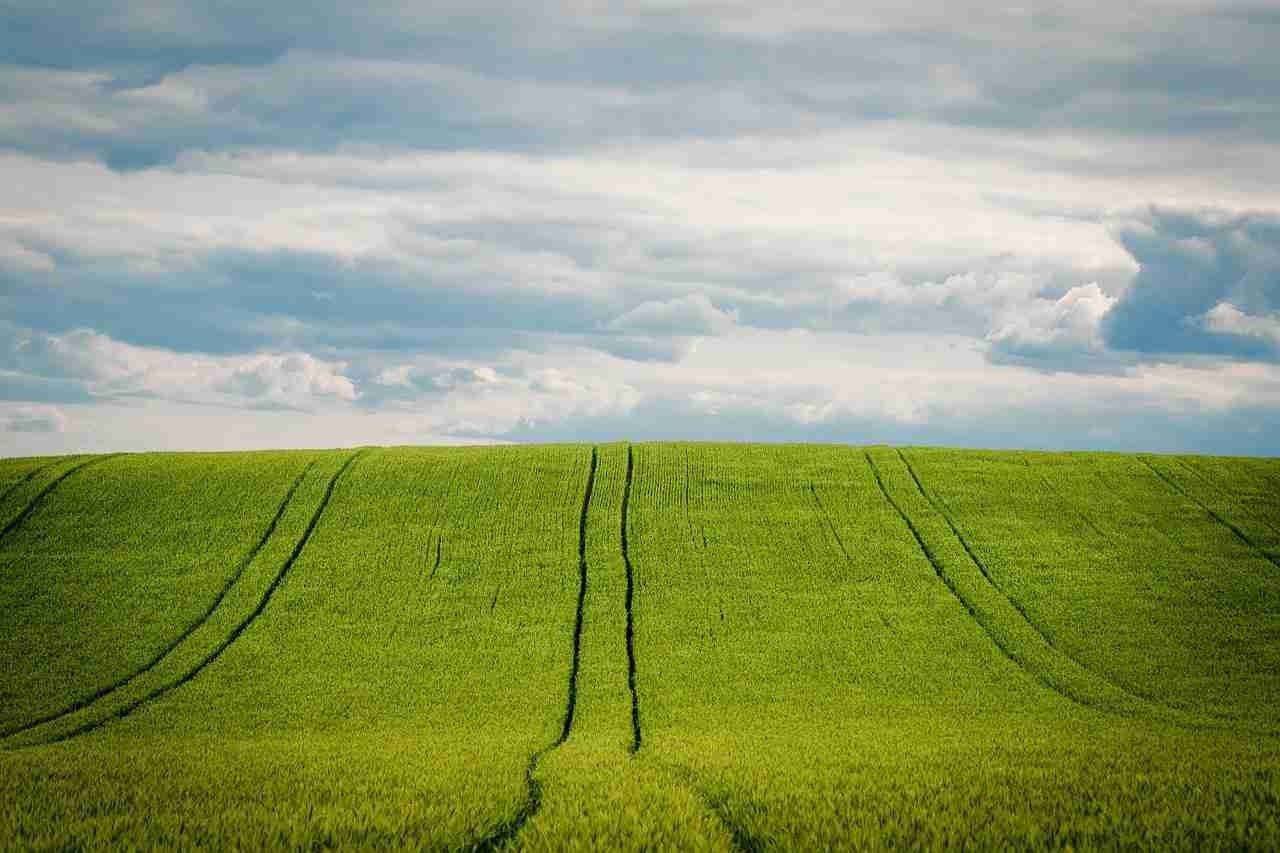
Exploring the Journey of Grains: Understanding Cereals from Field to Factory
The journey of cereal grains begins in the vast fields, where farmers cultivate a variety of crops that form the backbone of our breakfast tables. Grains such as wheat, barley, and corn are sown, nurtured, and harvested, each step being crucial for the overall quality and flavor of the final product. Once harvested, these grains undergo a meticulous process that transforms them from raw seeds into edible forms. This transformation involves several key phases:
- Drying: Reducing moisture content to prevent spoilage.
- Cleaning: Removing impurities and foreign materials.
- Milling: Grinding the grains into flour or flakes.
After milling, the resulting flour or flakes embark on a new phase involving blending and fortification. Manufacturers often combine different grain types to enhance nutritional profiles or create unique flavor profiles suitable for diverse palates. Throughout this process, the grains are meticulously tested for quality, ensuring that only the best reach consumers. The final stage involves packaging the cereals, ready to be shipped to stores and eventually poured into bowls worldwide. Key attributes during this phase include:
| Attribute | Description |
|---|---|
| Nutritional Value | Essential vitamins, minerals, and fiber content. |
| Flavor Profiles | Mixing flavors for a delightful eating experience. |
| Packaging Design | Attractive and sustainable packaging options. |
Processing Techniques: Transforming Raw Ingredients into Breakfast Staples
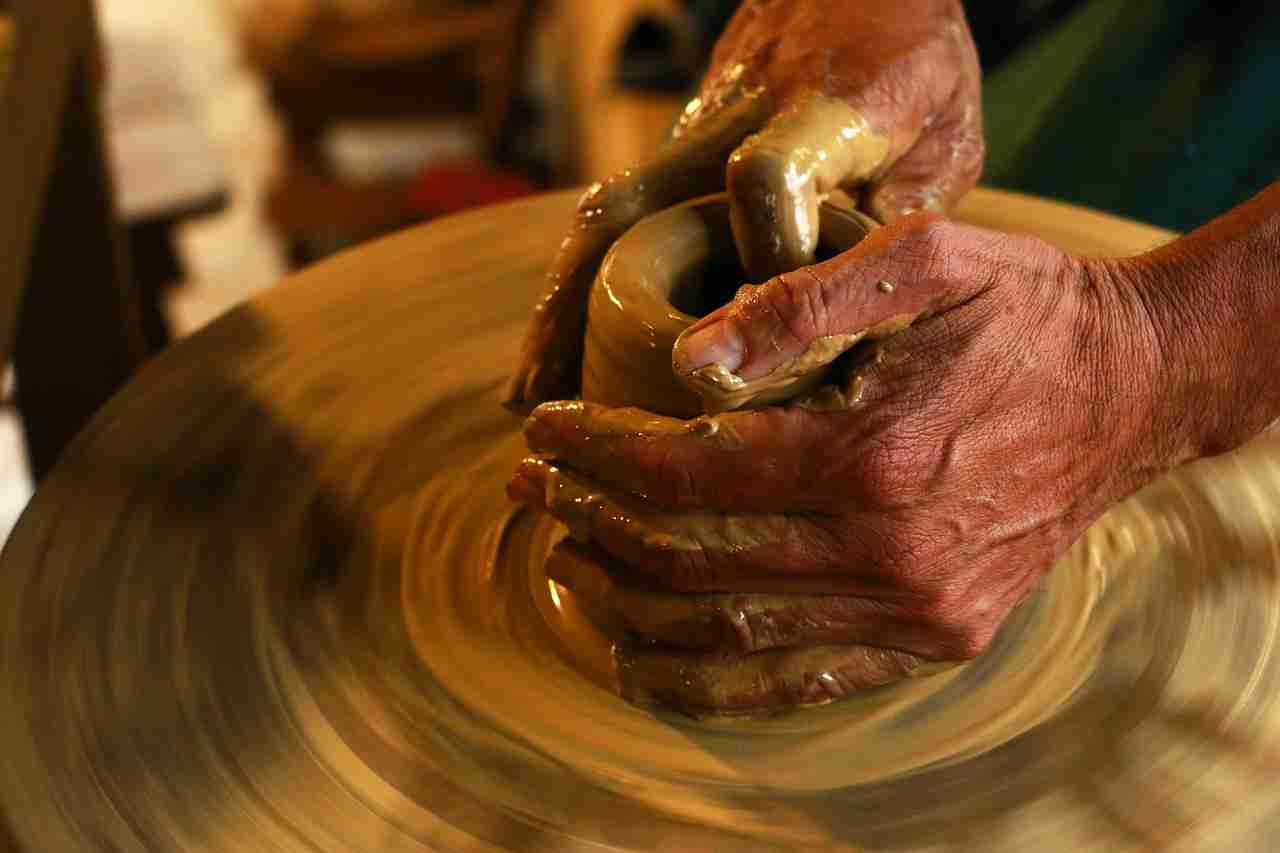
Turning grains into the cereals we enjoy at breakfast requires a series of meticulous processing techniques that ensure flavor, texture, and nutrition. Starting with the initial stage of cleaning, grains are subjected to various methods to remove impurities such as dirt, stones, and damaged kernels. This is followed by steaming, where moisture is added to the grains to soften them, making them easier to process. The next step is flaking or toasting—grains are either flattened into flakes or toasted for enhanced flavor and crunchiness. This transformation creates the delightful textures that make breakfast cereals so appealing.
Further along the processing pipeline, extrusion takes center stage, where cooked flour is pushed through a precisely shaped die to create unique shapes and cereal forms. Additionally, enrichment is often implemented to restore lost nutrients, introducing essential vitamins and minerals back into the cereals. the cereals are packaged for distribution, maintaining freshness and convenience for consumers. Below is a table summarizing these essential processing techniques:
| Processing Technique | Description |
|---|---|
| Cleaning | Removal of impurities from raw grains. |
| Steaming | Moistening grains to ease further processing. |
| Flaking/Toasting | Creating flat flakes or toasted grains for texture. |
| Extrusion | Shaping cereals through high-pressure cooking. |
| Enrichment | Adding vitamins and minerals for nutrition. |
Nutritional Insights: Balancing Flavor and Health in Cereal Production
In the intricate world of cereal production, striking the right balance between flavor and health is paramount. Manufacturers are increasingly turning to innovative methods that enhance the nutritional profile of their cereals without compromising taste. This involves:
- Fortification: Adding essential vitamins and minerals to cater to daily nutritional needs.
- Whole Grains: Utilizing whole grains that provide fiber and promote digestive health.
- Natural Sweeteners: Incorporating alternatives like honey or agave to reduce refined sugars.
- Flavor Modulation: Employing natural flavor enhancers, such as fruits and spices, to elevate taste.
Additionally, the trend towards transparency in ingredients is reshaping consumer expectations. Consumers are more informed and are demanding better choices. This has led to a focus on the following aspects in cereal production:
| Ingredient | Benefit |
|---|---|
| Oats | Rich in fiber; supports heart health |
| Chia Seeds | High in omega-3 fatty acids; boosts energy |
| Almonds | Provides healthy fats; aids in weight management |
| Blueberries | Packed with antioxidants; enhances immunity |
Through these mindful practices, cereal manufacturers are not only offering delicious options but also addressing the growing demand for wholesome, nutritionally balanced products that consumers can confidently include in their diets. This evolving landscape highlights the essential interplay between food science and consumer health awareness in the journey from grain to bowl.
Sustainability in Cereal Manufacturing: Best Practices for a Greener Future
As the demand for cereal products continues to grow, the need for sustainable practices in their manufacturing has never been more critical. Cereal manufacturers are increasingly recognizing the value of sustainable sourcing, which not only supports local farmers but also minimizes the ecological footprint associated with grain cultivation. Implementing best practices such as crop rotation and integrated pest management can enhance soil health and reduce reliance on chemical fertilizers. Additionally, manufacturers can explore partnerships with local suppliers to decrease transportation emissions and support regional economies. Furthermore, adopting renewable energy sources in production facilities can significantly lower greenhouse gas emissions.
Water conservation is another crucial aspect of sustainable cereal manufacturing. By utilizing efficient irrigation techniques and recycling water within processing plants, companies can drastically reduce their water consumption. Emphasizing waste management through composting and recycling initiatives further supports a circular economy. The adoption of biodegradable packaging materials can also help reduce plastic waste, making products more environmentally friendly. Implementing these practices not only fulfills corporate social responsibility goals but also resonates with the increasingly eco-conscious consumer base.
Future Outlook
As we reach the end of our journey through the intricate world of cereal processing, it becomes clear that the path from grain to bowl is not merely a linear trek but a fascinating tapestry woven from tradition, innovation, and scientific expertise. The humble grain, once nestled in the soil, transforms through a meticulous process of cultivation, harvesting, milling, and cooking before it finally graces our breakfast tables. Each step is a testament to both human ingenuity and the age-old relationship we share with our food.
In our exploration, we’ve uncovered the unseen efforts of farmers, engineers, and nutritionists who strive to bring wholesome and delicious cereals to our tables. The journey from the fields to our bowls is a story of connection—between the land and our sustenance, and between generations that have enjoyed these simple yet vital grains.
As you pour that first bowl of cereal tomorrow morning, perhaps you will pause for a moment to appreciate the complex processes and dedicated hands that made it possible. cereal is not just a convenient breakfast option; it is a symbol of our agricultural heritage and a bridge between past and present. So, the next time you indulge in those crunchy flakes or warm oats, remember: it’s not just food—it’s the culmination of a journey, from grain to bowl, rich with history and flavor.



