
In the heart of America’s fertile plains, a humble yet iconic crop rises from the earth, destined to play a pivotal role in our everyday lives: corn. From its vibrant golden kernels swaying in the summer breeze to its transformation into an array of products that fill our grocery shelves, this journey from field to table is a remarkable tale of nature, innovation, and industry. As we peel back the layers of corn processing, we embark on an exploration that reveals not just the journey of a grain, but the intricate web connecting farmers, processors, and consumers. Through this narrative, we will uncover the techniques, technologies, and traditions that shape the way this staple food nourishes millions around the globe. Join us as we delve into the captivating world of corn processing, where agricultural heritage meets modern efficiency, and discover how this revered crop continues to thrive at the intersection of tradition and progress.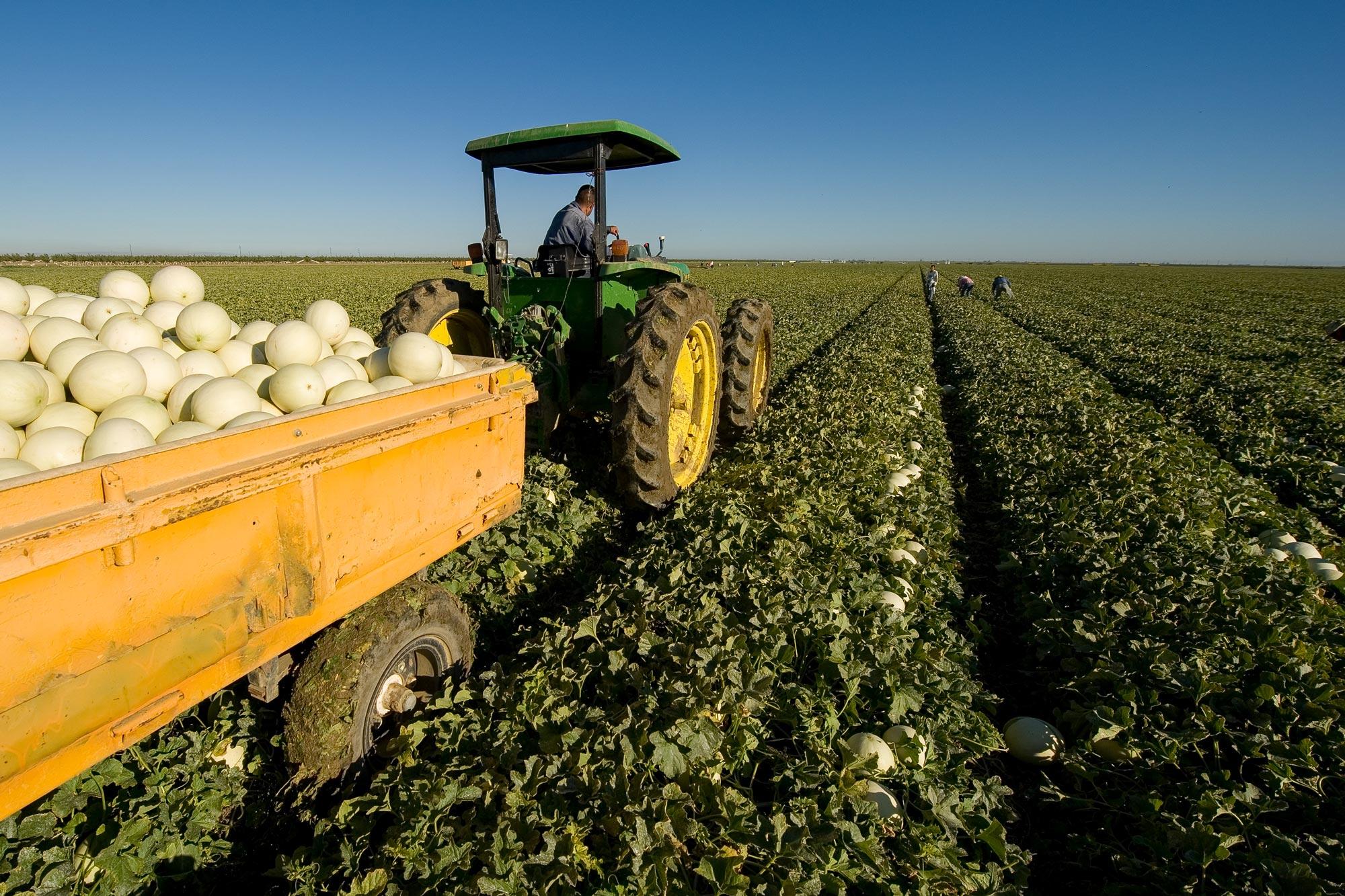
Exploring the Agricultural Foundations of Corn Production
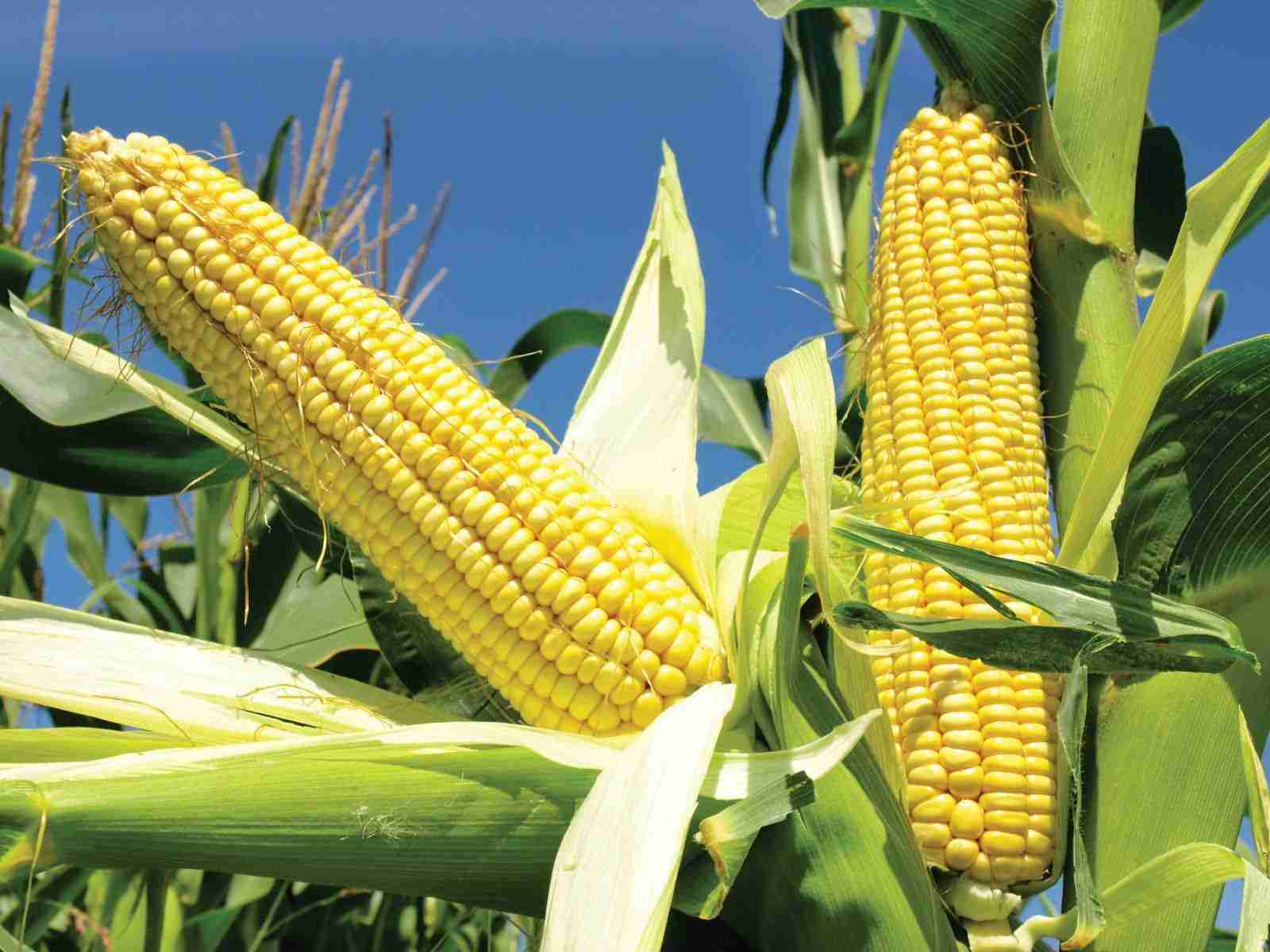
The cultivation of corn, a staple crop across the globe, serves as a fascinating backdrop to the intricate processes that transpire before the golden kernels find their way to our tables. Originating in the indigenous cultures of Mesoamerica, corn has transformed from a wild grass into a multifaceted crop thanks to centuries of careful breeding and cultivated practices. Farmers today employ a variety of techniques to ensure quality, yield, and sustainability. These can include:
- Crop Rotation: Enhances soil fertility.
- Natural Pest Management: Reduces reliance on chemical pesticides.
- Precision Agriculture: Utilizes technology for efficient farming practices.
As corn journeys through processing, various stages highlight the importance of its agricultural foundation. From harvest to milling, processing plants employ state-of-the-art equipment, ensuring the grains maintain their nutritional value while being transformed into a variety of products. Key processes include:
| Process | Description |
|---|---|
| Harvesting | Collecting mature corn kernels from the field. |
| Milling | Grinding corn into flour or meal for various uses. |
| Refining | Separating and purifying corn products for food and industrial applications. |
Uncovering the Complexities of Corn Processing Techniques
The journey of corn from the field to the table is a multifaceted process, influenced by a range of processing techniques that transform raw harvests into the versatile staple we know today. Each step in this journey requires precision and expertise, reflecting a tapestry woven from age-old traditions and modern technologies. At the initial stage, corn is often milled to separate the endosperm from the husk and germ. This milling can take place in various forms, such as:
- Dry Milling: A method that produces flour and meal, commonly used for tortillas and snacks.
- Wet Milling: A process that separates the corn into its component parts, yielding starches, sweeteners, and oils.
- Degermination: The removal of germ from the corn kernel, often enhancing shelf life.
Following milling, corn can take on various roles in culinary applications, enriched by further processing that enhances flavor, texture, and nutritional value. For instance, through processes like fermentation, corn can be transformed into products such as corn whiskey and masa, essential for tamales and tortillas. Additionally, the production of corn syrup from starch undergone hydrolysis showcases how adaptable this grain can be. To visualize the diverse offerings of corn processing, consider the following table, summarizing key products derived from different techniques:
| Processing Technique | Product | Uses |
|---|---|---|
| Dry Milling | Corn Flour | Baking, Tortillas |
| Wet Milling | High Fructose Corn Syrup | Sodas, Sweeteners |
| Fermentation | Corn Whiskey | Spirits, Cocktails |
| Degermination | Corn Oil | Cooking, Salad Dressings |

Sustainability in Corn Processing: Innovations and Best Practices
In the realm of corn processing, a significant shift is occurring as the industry embraces eco-friendly technologies and practices aimed at reducing environmental impacts. Innovations such as biodegradable packaging, water recycling systems, and energy-efficient machinery are becoming standard. These advancements not only enhance sustainability but also offer economic benefits to producers. Here are some key innovations transforming the sector:
- Genetically Modified Corn Varieties: Tailored to require less water and resist pests, leading to reduced chemical usage.
- Byproduct Utilization: Using corn mill waste to create biofuels or animal feed, maximizing resource usage.
- Closed-Loop Systems: Processes that reuse water and materials, minimizing waste and resource consumption.
Best practices in corn processing also play a pivotal role in promoting sustainability. Companies are increasingly adopting certification standards that support environmentally friendly practices, encouraging their partners to follow suit. These include organic certifications and adherence to sustainable farming protocols. The implementation of continuous improvement processes ensures that sustainability isn’t just a one-time effort, but rather a core principle of corn production. Notably, some farms are implementing:
| Practice | Description |
|---|---|
| Crop Rotation | Enhances soil health and reduces pest and disease cycles. |
| Minimal Tillage | Preserves soil structure and reduces erosion. |
| Integrated Pest Management | Utilizes biological controls to mitigate pest damage. |
These practices are integral components that not only contribute to making corn processing more sustainable but also create a model for future agricultural practices. By focusing on innovative technologies and implementing sustainable methods, the corn processing industry is paving the way for a healthier planet and a more sustainable food supply chain.
Enhancing Nutritional Value: From Corn to Culinary Delights
Corn, a staple in many diets around the world, embarks on a fascinating journey from the field to our kitchens, transforming through various processing methods that enhance its nutritional value and culinary versatility. Whether it’s through fermentation, milling, or extrusion, each technique serves to amplify the health benefits of corn while introducing exciting flavors and textures. Key methods include:
- Milling: This method produces corn flour and meal, both rich in complex carbohydrates and essential vitamins.
- Fermentation: Fermented corn products, like masa for tortillas, improve digestibility and introduce beneficial probiotics.
- Extrusion: A high-energy process that creates puffed snacks while preserving nutrients and enhancing taste.
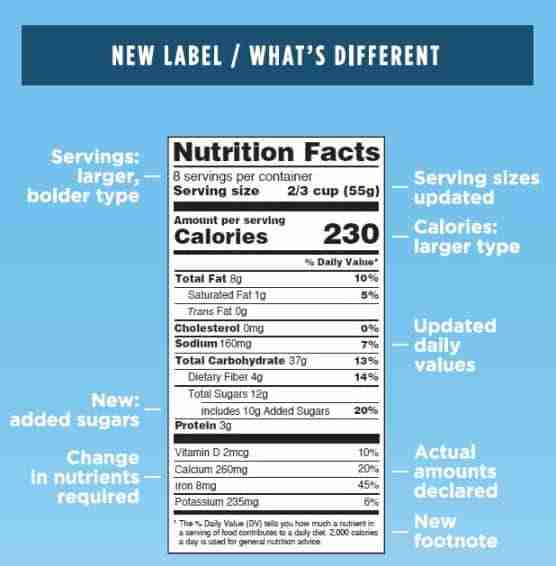
Moreover, understanding the different varieties of corn can deeply influence its culinary applications. For example, sweet corn is ideal for salads and salsas, while flint corn is perfect for polenta and tortillas. These variations not only provide flavor but also cater to diverse dietary needs and preferences. A quick look at the nutritional profiles of select corn types can reveal their unique contributions:
| Corn Type | Calories (per 100g) | Key Nutrients |
|---|---|---|
| Sweet Corn | 86 | Vitamin C, Fiber, Antioxidants |
| Yellow Corn | 96 | Beta Carotene, Folate, Iron |
| Flint Corn | 90 | Carbohydrates, Protein, Fiber |
Insights and Conclusions
As we conclude our exploration of the intricate journey of corn processing, it becomes clear that this humble grain is much more than a simple staple. From its vibrant beginnings in sun-drenched fields to its transformation into countless products that grace our tables, corn plays a vital role in our daily lives. Each step in its journey is a testament to the blend of nature, innovation, and tradition, illuminating the hard work and dedication of farmers, processors, and chefs alike.
Understanding the path that corn takes invites us to appreciate the labor and care that go into our food systems. It reminds us that every kernel carries a story—of the earth, the people, and the technologies that bring nourishment to our plates. As we savor our next bite of corn-based fare, may we carry with us a deeper respect for this versatile ingredient and the journey it undertakes, from field to table. In doing so, we celebrate not only the food itself but the interconnected tapestry of life that sustains us all.



