
In a world where the demands of food production are ever-increasing, the quest for efficiency and innovation in agriculture has become paramount. The 5-ton rice mill revolution stands at the forefront of this evolution, blending cutting-edge technology with traditional practices to transform the landscape of rice milling. This article delves into the significance of this modern advancement, exploring how these compact yet powerful machines are redefining productivity, reducing waste, and promoting sustainability in rice cultivation. Join us on a journey through the intricate mechanics, the socio-economic impacts, and the future potential of the 5-ton rice mill, as we uncover the profound significance of this innovation in feeding a growing global population.
Transforming Agriculture with Advanced Technology in Rice Milling
In the heart of modern agriculture, the transformation of rice milling processes through advanced technology has ushered in new levels of efficiency and productivity. The latest innovations provide millers with tools that significantly enhance grain quality while reducing operational inefficiencies. Features such as automated sorting systems, smart moisture detectors, and energy-efficient machinery are at the forefront of this revolution, allowing millers to make data-driven decisions that optimize their operations. With sophisticated software integration, these technologies enable precise monitoring and management of milling stages, ensuring every step is executed with minimal waste and maximum yield.
The 5-ton rice mill embodies this technological shift, combining versatility with high performance. This compact yet powerful milling unit is equipped to handle various rice textures and types, catering to the diverse demands of the market. Key benefits of this advanced milling system include:
- Increased output: Capable of processing five tons of rice per hour, significantly boosting productivity.
- Quality control: Advanced sensors maintain optimal milling parameters, leading to superior grain quality.
- Sustainability: Energy-efficient designs reduce environmental impact, promoting eco-friendly practices.
- Ease of maintenance: User-friendly interfaces streamline troubleshooting and upkeep, enhancing operational longevity.
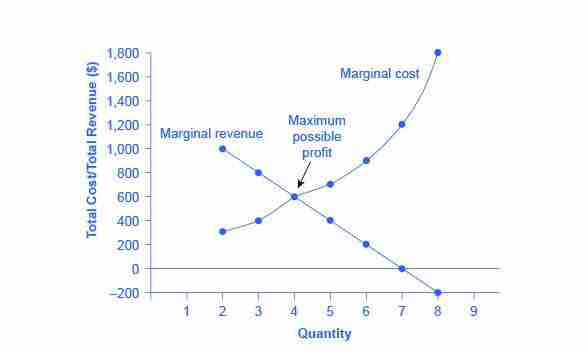
Maximizing Output: The Economic Impact of 5-Ton Rice Mills
The advent of 5-ton rice mills has transformed traditional rice processing, bolstering local economies and enhancing productivity. These mills, designed for small-scale operations, strike a balance between efficiency and accessibility. By utilizing innovative technology, they enable farmers and entrepreneurs to process rice faster and with greater precision. This advancement in rice milling contributes significantly to minimizing losses that often occur during manual processing and lower-capacity machinery operations. The key benefits of these mills include:
- Increased Processing Rate: A 5-ton rice mill can significantly outpace traditional methods, yielding more product in less time.
- Cost Efficiency: Their operation costs are balanced by the volume of rice processed, making them economically viable for small to medium enterprises.
- Quality Improvement: Modern milling technology ensures that rice is polished and free from contaminants, improving market value.
Additionally, the economic ripple effects of 5-ton rice mills extend beyond mere productivity. They create job opportunities and stimulate local businesses directly tied to agriculture. As rural communities adopt these mills, we see a shift in the agricultural landscape, encouraging investment in associated sectors such as transportation and retail. The following table outlines the direct economic benefits seen in communities that have integrated these modern milling systems:
| Economic Benefit | Impact on Community |
|---|---|
| Job Creation | Increased employment opportunities in milling and distribution. |
| Income Generation | Higher incomes for farmers due to better prices for processed rice. |
| Market Expansion | Access to larger markets for local rice products, enhancing trade. |
Sustainable Practices: Reducing Waste and Enhancing Productivity
The introduction of 5-ton rice mills has sparked a transformative journey in rice production, where sustainable practices are not just a trend but an essential strategy for long-term success. By leveraging advanced technology, these mills significantly reduce waste, resulting in a minimized environmental footprint. With features designed to optimize resource utilization, they enhance productivity while fostering eco-friendly habits. Some key sustainable practices include:
- Energy Efficiency: Utilizing renewable energy sources to power operations.
- Water Conservation: Implementing rainwater harvesting techniques and recycling water in processing.
- Waste Recovery: Converting by-products into useful resources, such as biofuel for machinery.
In the quest for sustainability, the integration of innovative technology within these mills allows for a more precise and efficient production process. Smart analytics can track resource consumption, enabling mill operators to identify areas where improvements can be made. For instance, the deployment of automated systems reduces human error, allowing for better quality control and less waste. A simplified comparison of traditional practices versus modern sustainable methods showcases these advantages:
| Aspect | Traditional Methods | Sustainable 5-Ton Rice Mills |
|---|---|---|
| Energy Use | Reliance on fossil fuels | Incorporation of solar power |
| Water Management | High water consumption | Advanced recycling systems |
| Waste Generation | Significant by-products | Utilization of biofuel and composting |
Future Trends: Innovations Shaping the Next Generation of Rice Milling
As the demand for rice continues to rise globally, innovative technologies are transforming the landscape of rice milling, paving the way for enhanced efficiency and sustainability. The advent of automation and smart technology integration is revolutionizing traditional milling processes. Key innovations reshaping the industry include:
- Smart Milling Machines: These machines utilize sensors and AI to monitor moisture content and optimize milling parameters in real-time.
- Energy-efficient Equipment: New energy-saving designs with improved mechanics reduce operational costs and environmental impact.
- IoT Integration: Internet of Things technology is enabling predictive maintenance, allowing mill operators to foresee equipment failures before they cause significant downtime.
Moreover, sustainability is at the forefront, as modern rice mills are adopting eco-friendly methods to minimize waste and enhance byproduct utilization. In this new era, best practices in rice milling include:
| Practice | Description |
|---|---|
| Waste Management | Implementing systems to recycle husks and bran, turning waste into valuable feed products. |
| Water Conservation | Utilizing advanced filtration and recycling techniques to reduce water usage in the milling process. |
| Renewable Energy Sources | Harnessing solar or biogas energy to power milling operations, reducing reliance on fossil fuels. |
To Conclude
As we conclude our exploration of the 5-ton rice mill revolution, we find ourselves at the intersection of efficiency and innovation—a realm where tradition meets technology to redefine agricultural practices. The advancements in milling processes not only reflect a response to the ever-evolving market demands but also signify a commitment to sustainability and food security.
With every grain processed, these modern mills stand as a testament to human ingenuity; they embody the potential to transform smallholder farming into a more lucrative and resilient endeavor. As we look ahead, the lessons learned from this rice mill revolution can serve as a blueprint for other agricultural sectors, fostering a culture of innovation that embraces both efficiency and sustainability.
In embracing these advancements, we are not merely changing the way we mill rice; we are sowing the seeds for a brighter, more sustainable agricultural future—a future where innovation paves the way for a world where food is abundant, accessible, and responsibly produced for generations to come. Let us continue to champion these transformative developments, nurturing a landscape where the old and new harmonize, ensuring that the journey from field to table is both efficient and enriching.



