
Unlocking the Kernel: The Art and Science of Corn Processing
At the crossroads of agriculture and innovation lies one of the world’s most versatile crops: corn. From the rustic fields of the Midwest to the bustling processing plants that dot the agricultural landscape, corn is more than just a staple; it is a remarkable testament to human ingenuity. As we delve into the intricate world of corn processing, we uncover a captivating blend of artistry and science, where each kernel holds the potential to transform into an array of products that nourish and delight. This article aims to unravel the complex methods and techniques employed in unlocking the secrets of corn. Join us on this exploration that takes us from field to factory, revealing the delicate balance of tradition and technology that defines the journey of this golden grain. Whether you are a seasoned food enthusiast or a curious mind, prepare to discover the remarkable processes that elevate corn from mere crop to culinary cornerstone.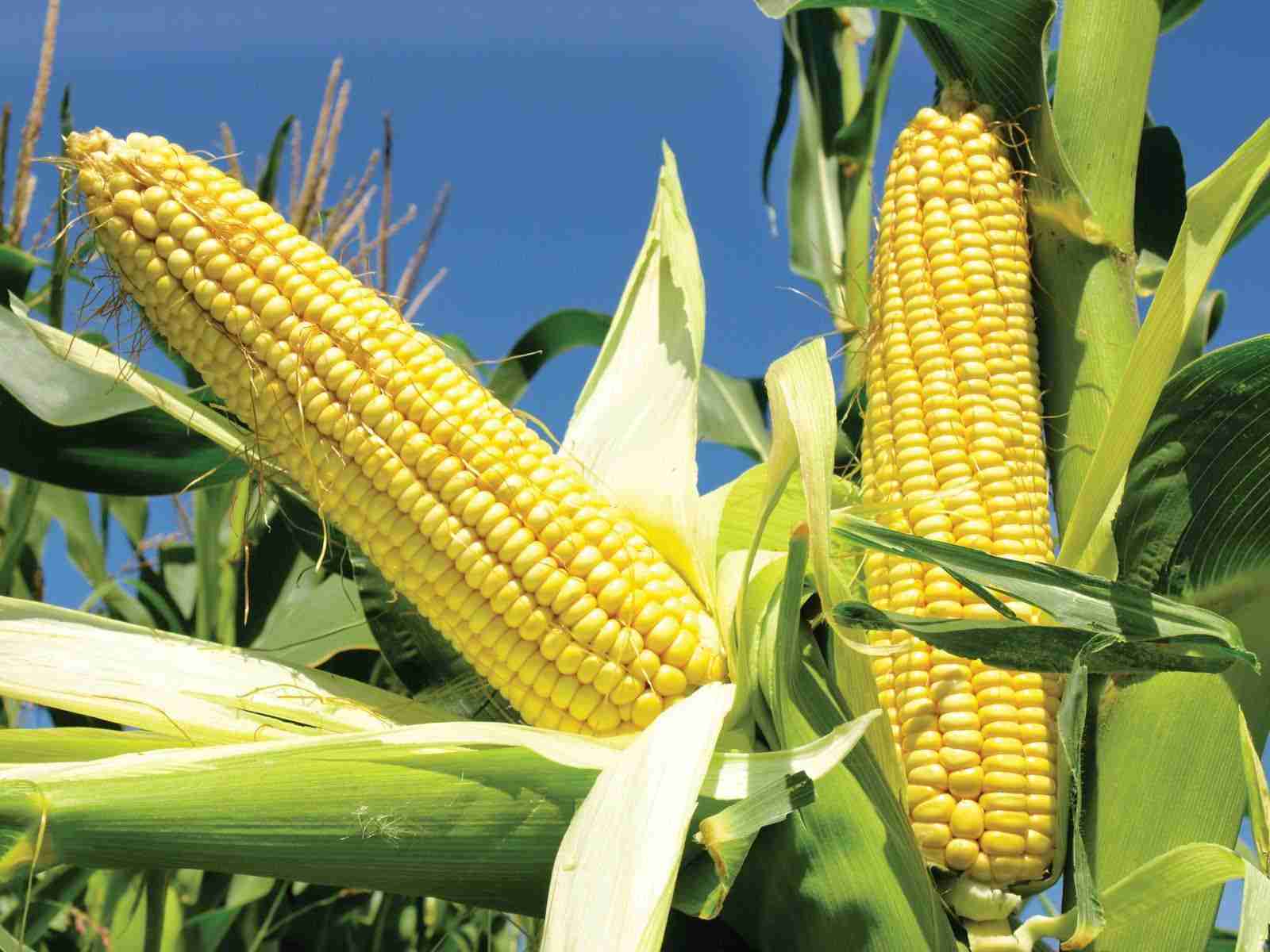
Exploring the Versatility of Corn Varieties in Processing
When it comes to corn processing, the versatility of different corn varieties plays a fundamental role in determining the final product’s quality and application. Each variety presents unique traits, influencing its suitability for various processing methods, such as milling, fermenting, and extrusion. This adaptability has led to the innovation of multiple corn-based products, which range from traditional staples to modern culinary delights, showcasing corn’s importance across cultural and industrial contexts.
Some of the most common corn varieties include:
- Sweet Corn – Known for its sugar content, ideal for fresh consumption, freezing, or canning.
- Field Corn – Predominantly used for animal feed and industrial applications, including biofuel.
- Flint Corn – Recognized for its hard outer shell, perfect for making polenta and cornmeal.
- Popcorn - Famous for its ability to expand and “pop” when heated, creating a light snack.
- dent Corn - Commonly utilized in producing processed foods and starches owing to its high starch content.
Here’s a brief overview of how these varieties are adapted for specific processing techniques:
| Corn Variety | Processing Method | End Products |
|---|---|---|
| Sweet Corn | Canning / Freezing | Canned Corn, Frozen Corn |
| Field Corn | Fermenting | Ethyl Alcohol, Feed |
| Flint Corn | Milling | Cornmeal, Grits |
| Popcorn | High-Heat Cooking | Snack Foods |
| Dent Corn | Starch Extraction | Sweeteners, Syrups |
This categorization not only highlights the impressive range of applications corn can fulfill but also encourages further exploration into the art and science of corn processing, inviting innovation and creativity in culinary experiences worldwide.
The Essential Techniques for Efficient Kernel Extraction
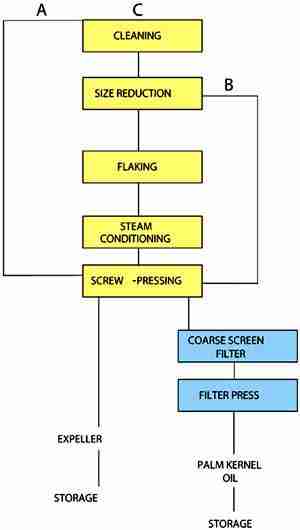
To master the extraction of kernels from corn, it is essential to employ a series of well-established techniques that ensure maximum yield and quality. One widely used method is dry milling, where the corn is ground down into fine particles. This technique effectively separates the kernel from the cob, allowing for a cleaner final product. Another approach is the wet milling process, which not only separates the kernel but also breaks it down into its constituent components—starch, protein, and fiber—each serving diverse culinary and industrial purposes. Employing these methods with precision ensures that the extracted kernels maintain their integrity and flavor profile.
In addition to milling techniques, proper temperature control during processing can significantly influence kernel extraction efficiency. Utilizing equipment that regulates heat can prevent damage to the corn’s essential oils, resulting in a fresher end product. Furthermore, mechanical separation tools, such as vibratory screens and air classifiers, can enhance the purity of extracted kernels by removing unwanted debris. The careful combination of these methods fosters an optimal extraction process:
| Technique | Pros | Cons |
|---|---|---|
| Dry Milling | Simple & Efficient | Requires ceaseless monitoring |
| Wet Milling | High yield & Quality | More complex and time-consuming |
| Mechanical Separation | Increased purity | Initial investment costs |
Innovative Uses of Corn Byproducts in Sustainable Practices
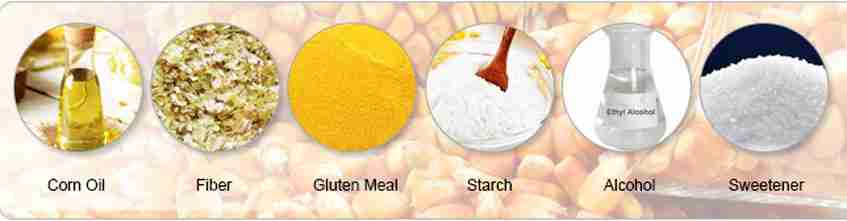
Corn processing extends beyond the typical uses of the grain itself, opening avenues for sustainable practices through the innovative application of its byproducts. Corn husks, often discarded after the harvesting of corn, can play a significant role in biodegradable packaging materials. By being processed into single-use items, such as cutlery and plates, these natural products align with the growing demand for environmentally friendly solutions. Furthermore, corn stover, the residue left on fields post-harvest, is being studied as a resource for biofuels, potentially reducing our dependence on fossil fuels. Utilizing these byproducts not only minimizes waste but also contributes to a circular economy, where every part of the corn plant is optimized and valued.
Additionally, corn gluten meal, a byproduct from processing corn for food, has emerged as a natural herbicide, helping gardeners and agriculturalists control weeds without the use of synthetic chemicals. This not only promotes a healthier ecosystem but also encourages sustainable farming practices. Another fascinating application is in the manufacture of biodegradable plastics derived from corn starch, which serve as an alternative to traditional petroleum-based plastics. Below is a brief overview of some innovative uses of corn byproducts:
| Byproduct | Innovative Use |
|---|---|
| Corn Husks | Biodegradable packaging materials |
| Corn Stover | Biofuel production |
| Corn Gluten Meal | Natural herbicide |
| Corn Starch | Biodegradable plastics |
Future Trends in Corn Processing Technology and Market Demand
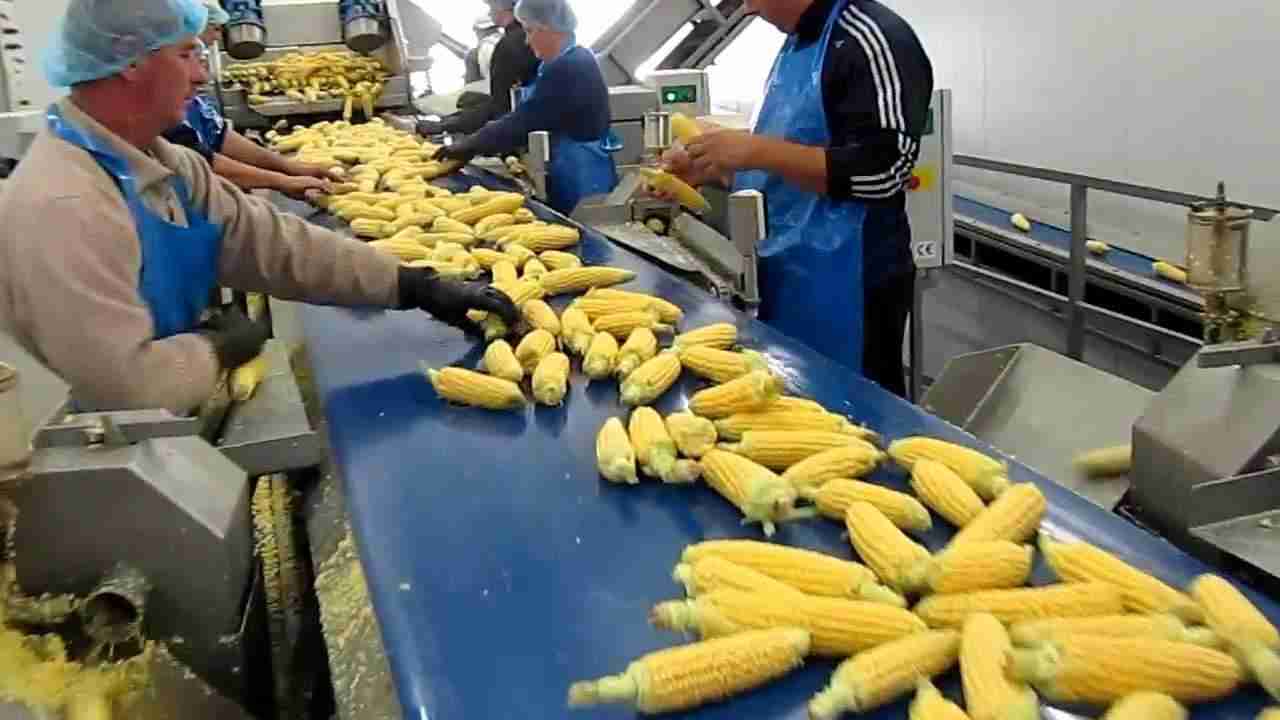
As the global landscape of agriculture evolves, so too does the technology that underpins corn processing. Innovations in automation, biotechnology, and sustainability practices are driving efficiency and enhancing product quality. The integration of smart farming technologies is allowing producers to better monitor crop health and yield, while advanced milling techniques enable more precise extraction of by-products. This not only maximizes resource use but also paves the way for new applications in food and non-food sectors. For instance, the increasing demand for bioplastics and biofuels is reshaping processing priorities, making it essential for stakeholders to stay ahead of market trends and capitalizing on research that turns waste into value.
Market demand for corn-derived products is projected to grow, fueled by an expanding population and changing consumer preferences. The ascent of plant-based diets has led to a significant rise in the use of corn starch as a thickener and stabilizer in various food applications. Likewise, the production of high-fructose corn syrup and other sweeteners shows no signs of abating, targeting the beverage and confectionery sectors. Key trends influencing market dynamics include:
- Health-conscious consumption: A shift towards organic and non-GMO corn is reshaping product offerings.
- Functional ingredients: Growing interest in functional foods incorporates corn derivatives that provide health benefits.
- Eco-friendly practices: Sustainable sourcing and processing methods are becoming a priority for consumers and businesses alike.
| Trends | Impact on Market |
|---|---|
| Automation | Increases efficiency and reduces operational costs. |
| Plant-based Innovation | Boosts demand for corn ingredients in meat alternatives. |
| Alternative Fuels | Expands market for corn in energy applications. |
In Summary
As we draw the curtain on our exploration of corn processing, it becomes clear that this seemingly simple grain is a gateway to both tradition and innovation. From the time-honored techniques of manual grinding to the sophisticated machinery of modern mills, the journey of corn from field to table is steeped in both art and science. Each method, each grain, tells a story of agricultural heritage, culinary creativity, and technological advancement.
Whether you’re savoring a warm bowl of polenta, enjoying the crunch of corn chips, or sipping on a refreshing glass of corn-based beverage, remember that you are partaking in a rich tapestry woven over centuries. The process of unlocking the kernel is not merely about extracting nourishment; it’s a testament to human ingenuity and our enduring connection to the land.
As we continue to uncover and develop new ways to harness this versatile crop, let us appreciate the intricate dance between tradition and progress. The world of corn processing invites us to savor not just the flavors it brings, but the shared knowledge and cultural significance embedded in every bite. So, the next time you encounter corn in its myriad forms, take a moment to appreciate the artistry and science that makes it possible—a true celebration of nature’s bounty.



