
In the heart of vast paddies where golden grains sway gently in the breeze, the future of rice processing equipment is poised for a transformative revolution. Harvests that once relied on traditional methods are now embracing cutting-edge technology, promising to elevate production efficiency and sustainability in a world that craves both food security and environmental responsibility. As we stand at the crossroads of innovation and tradition, it becomes essential to explore how advancements in machinery, automation, and smart farming practices are reshaping the landscape of rice processing. This article delves into the unfolding narrative of how transformative technologies are not only redefining the art of rice harvesting but also setting the stage for a more resilient agricultural future. Join us as we unravel the intricate tapestry woven from centuries of cultivation, modern engineering, and the timeless pursuit of nourishment.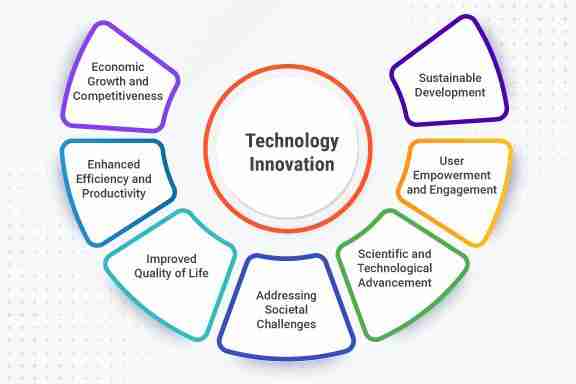
Innovative Technologies Shaping Modern Rice Processing
Recent advancements in automation and data analytics have revolutionized rice processing, making it not only more efficient but also more sustainable. Automated rice mill machines equipped with IoT sensors can monitor grain quality in real-time, allowing for immediate adjustments to processing techniques. This innovation helps in minimizing waste and maximizing yield. Integrating artificial intelligence into the milling process can predict machinery breakdowns, facilitate predictive maintenance, and enhance overall operational efficiency. As a result, producers can ensure consistent quality while reducing energy consumption and labor costs.
Another breakthrough in the industry is the use of biotechnology in pest and disease management. With the incorporation of biopesticides and genetically modified varieties, rice crops can better withstand environmental stressors, leading to healthier grains. Furthermore, solar-powered drying technologies are gaining traction, providing a cost-effective and eco-friendly method for removing moisture post-harvest. These innovative solutions not only promise to elevate the productivity of rice farming but also contribute to the larger goal of sustainability within the agricultural sector.
| Technology | Benefits |
|---|---|
| Automation | Increases efficiency and reduces labor costs |
| Data Analytics | Enhances decision-making and quality control |
| Biotechnology | Promotes pest resistance and higher yields |
| Solar Drying | Eco-friendly and cost-effective moisture reduction |
Enhancing Efficiency through Automation and Smart Solutions
In the rapidly evolving landscape of agricultural technology, the integration of automation and intelligent systems is revolutionizing the way rice processing is conducted. By employing automated processing lines, farmers and producers can achieve unparalleled accuracy and consistency. These systems utilize sensors and machine learning algorithms to monitor grain quality and optimize processing parameters in real time, ensuring that every batch of rice meets the highest standards. The benefits of implementing such smart solutions are manifold:
- Increased Production Speed: Automation reduces downtime, allowing for continuous operation and significantly higher output.
- Cost Efficiency: Lower operational costs can be achieved through reduced labor needs and minimized waste.
- Enhanced Quality Control: Automated systems can detect and remove impurities, improving the overall quality of the final product.
Moreover, as data-driven decision-making becomes more prevalent, advanced analytics tools can further enhance operational efficiency. By collecting and analyzing data from each stage of processing, operators can identify bottlenecks and make informed adjustments. Utilizing a robust dashboard interface, stakeholders can visualize performance metrics, uncover trends, and leverage predictive maintenance strategies to prevent equipment failures. The following table illustrates the comparison of traditional versus automated rice processing:
| Aspect | Traditional Processing | Automated Processing |
|---|---|---|
| Labor Force | High Demand | Reduced Need |
| Processing Time | Longer Duration | Accelerated |
| Quality Consistency | Variable | High Consistency |
This evolution not only sets the stage for more sustainable practices but also lays a foundation for a future where rice processing is not only effective but also intelligent. The transition to these advanced methodologies will enable producers to meet the increasing global demand while also maximizing resource efficiency.

Sustainability in Rice Processing: Balancing Productivity and Environmental Impact
In the quest for efficient rice processing, the integration of sustainability practices is becoming imperative. As new technologies emerge, the industry is focusing on enhancing productivity while minimizing environmental impact. Adoption of energy-efficient machines, renewable energy sources, and water conservation techniques are leading the charge in creating a more sustainable processing framework. Producers are increasingly exploring options such as:
- Biomass energy: Utilizing waste rice husks to fuel processing plants.
- Water recycling systems: Implementing closed-loop systems that substantially reduce water usage.
- Energy-efficient equipment: Replacing outdated machinery with advanced models that consume less energy.
Moreover, sustainability doesn’t end with equipment; it also encompasses the eco-friendly management of by-products and waste. Effective waste management strategies not only contribute to environmental preservation but also can create additional revenue streams through soil enhancement and feedstock for livestock. For instance, rice bran can be repurposed as a high-nutrient ingredient in animal feeds or health supplements. Innovative practices are paving the way for greater efficiency and resource management within the industry.
| Practice | Impact |
|---|---|
| Biomass Energy Usage | Reduces reliance on fossil fuels |
| Water Recycling Systems | Decreases water wastage |
| By-product Utilization | Minimizes waste and adds value |
Future Trends: Adapting Equipment for a Changing Climate and Market Demands
As the effects of climate change become increasingly apparent, the rice processing industry faces significant challenges that call for innovative solutions. The necessity for versatile equipment that can adapt to shifting environmental conditions cannot be overstated. For instance, the introduction of moisture-controlled paddy dryers and climate-responsive milling systems is essential to ensure optimal quality and yield, even as unpredictable weather patterns disrupt traditional harvesting times. Companies must embrace technologies that integrate sustainability with efficiency, such as solar-powered drying equipment or bio-based materials in packaging, helping to mitigate carbon footprints while enhancing operational reliability.
In parallel, market demands are evolving, driven by consumer preferences for organic and sustainably sourced products. To meet this shift, the rice processing sector should focus on equipment that enhances traceability and maintains high quality throughout the supply chain. This can include incorporating smart sensors for real-time monitoring and analytics, enabling processors to optimize production processes according to immediate market feedback. Adapting to these trends entails investing in smart machinery that not only bolsters productivity but also aligns with the values of modern consumers, who increasingly prioritize transparency and environmental stewardship in their purchasing decisions.
Closing Remarks
As we stand on the cusp of a new era in agricultural innovation, the transformation of rice processing equipment heralds a future where efficiency meets sustainability. The advancements in technology not only promise to enhance productivity but also to preserve the delicate balance between agricultural practices and environmental stewardship. As we explore the potentials of automation, precision farming, and smarter processing solutions, it becomes clear that the journey toward a more sustainable rice industry is not merely about machinery—it’s a comprehensive reimagining of how we approach cultivation and resource management.
In this evolving landscape, stakeholders from farmers to manufacturers have vital roles to play. Collaborative efforts, informed by the latest research and guided by emerging technologies, will be essential as we nurture the seeds of innovation. The future of rice processing equipment is not just about processing grains; it’s about empowering communities, safeguarding resources, and ensuring food security for generations to come.
As we look towards the horizon, the promise of transformation whispers a compelling narrative: one of resilience and adaptability in the face of global challenges. By embracing these changes, we can cultivate a future that honors tradition while forging new paths to progress. Let us sow the seeds of innovation and cultivate a thriving rice industry that reflects both our heritage and our aspirations for a sustainable tomorrow.



