
Unlocking Grain Greatness: The Art of Rice Processing
In the heart of the world’s culinary tapestry lies a humble yet extraordinary grain: rice. Celebrated for its versatility, sustenance, and cultural significance, rice is more than just a staple; it is a bridge connecting diverse cuisines and traditions. Yet, the journey from paddy to plate is a meticulous dance of science and artistry, where the nuances of processing elevate this simple grain to gastronomic greatness. In “Unlocking Grain Greatness: The Art of Rice Processing,” we delve into the intricate processes that transform harvested rice into the fluffy, aromatic staple we cherish. From the time-honored methods passed down through generations to innovative techniques that reshape our understanding of quality, join us as we explore the hidden complexities and craftsmanship behind this essential food source. Discover how each step in rice processing not only enhances flavor and texture but also nurtures the very essence of cultures around the globe.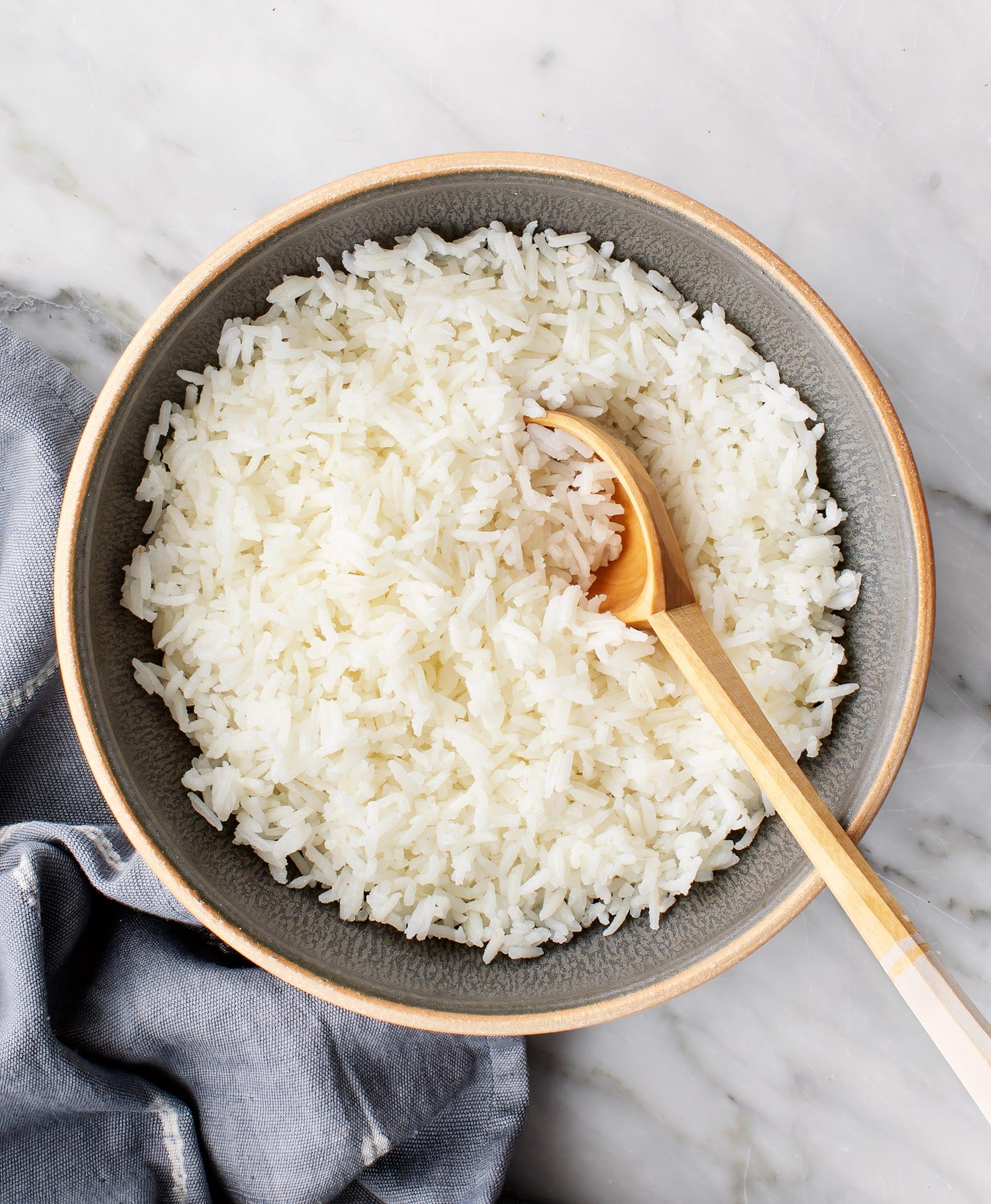
The Journey from Paddy to Polished: Understanding Rice Processing Stages
Rice processing is a meticulous journey, transforming raw paddy into the fluffy, polished grains we savor at mealtime. This transformation begins with harvesting, where ripe rice is cut from the fields and gathered for initial processing. Once in their raw form, paddy undergoes drying to diminish moisture content, which is crucial in preventing spoilage. Subsequently, the first major processing step involves milling, where the husk is removed. This stage is essential, as it prepares the rice for market and consumption.
Following milling, the rice is polished to enhance its appearance and shelf-life. The polishing process refines the grains, making them smooth and shiny, ultimately improving their culinary appeal. After polishing, rice may be sorted and graded based on quality and size, ensuring uniformity. Each stage has specific techniques and machinery, which contribute to the overall quality of the rice we enjoy. Below is a concise overview of the main stages in rice processing:
| Processing Stage | Description |
|---|---|
| Harvesting | Cutting and gathering mature rice plants. |
| Drying | Reducing moisture to prevent spoilage. |
| Milling | Removing the husk to yield brown rice. |
| Polishing | Smoothing and refining the rice grains. |
| Grading | Sorting rice by quality and size. |

Enhancing Flavor and Nutritional Value: Key Techniques in Rice Processing
Rice processing is a complex art that goes beyond mere milling; it involves a series of techniques designed to enhance both flavor and nutritional value. One essential method is parboiling, where rice grains are partially boiled in husk. This process gelatinizes the starch, resulting in a firmer texture while locking in more nutrients such as B vitamins and minerals from the bran layer compared to regular white rice. Additionally, fortification plays a crucial role, where vitamins and minerals are added to rice to combat nutritional deficiencies, ensuring that each grain contributes positively to dietary health.
Moreover, fermentation stands as another transformative technique in rice processing. This method not only enriches flavor profiles but also increases the bioavailability of nutrients. Fermented rice, often used in numerous cultures for making dishes like idli and dosa, becomes a powerhouse of probiotics, promoting gut health. A careful balance in moisture control and heat during both drying and storage further protects the grains, preventing spoilage and preserving their qualities. Understanding and implementing these techniques ensures that rice can be both delicious and nutritious, a staple that nourishes body and soul.
| Technique | Benefits |
|---|---|
| Parboiling | Increases nutrient retention, enhances texture |
| Fortification | Addresses nutritional deficiencies |
| Fermentation | Boosts flavor and probiotic content |
Sustainability in Rice Processing: Innovations for a Greener Future
As the world grapples with climate change and resource constraints, the rice processing industry is stepping up to integrate sustainable practices that reduce waste and energy consumption. Innovations such as water-efficient milling technologies and biodegradable packaging materials are transforming traditional methods into eco-friendly processes. Companies are increasingly adopting smart farming techniques powered by IoT devices which monitor crop health in real time, guiding farmers towards optimal harvest times and reducing input waste. This synergy between technology and sustainability not only enhances productivity but also helps maintain biodiversity and soil health.
The introduction of zero-waste initiatives is another stride towards sustainability. By reintroducing byproducts such as rice husks and bran into the supply chain, producers are finding innovative uses that contribute to energy generation and animal feed. Many processing plants are now converting rice straw into biofuel, drastically reducing their carbon footprint. Furthermore, partnerships between rice growers, processors, and environmental organizations are fostering a culture of sustainability where knowledge sharing and resource pooling drive collective progress. The commitment to a circular economy within rice processing is not just aspirational; it’s a transformative movement yielding promising results for future generations.
Consumer Insights: Choosing the Right Rice for Quality and Taste
When it comes to enhancing the enjoyment of rice, the choices consumers make are pivotal. Selecting the right variety can elevate not only the flavor but also the nutritional profile of a meal. Long-grain rice, such as Basmati or Jasmine, is celebrated for its fluffy texture and aromatic qualities, perfect for pilafs and fried rice. Short-grain rice, on the other hand, like Arborio or sushi rice, is known for its stickiness, essential for crafting delicious risottos or sushi rolls. The processing methods also play a crucial role; white rice offers a clean flavor but lacks fiber, while brown rice retains the bran layer, providing a nuttier taste and a boost in nutrients.
Understanding the origin and quality of rice can further guide consumer choices. For instance, rice grown in specific regions is often sought after for its unique taste profiles. Countries like Thailand and India produce varieties that are prized worldwide. Moreover, factors such as processing methods—whether the rice is parboiled, milled, or aged—impact not only the cooking characteristics but also the final flavor and aroma of the dish. Here’s a brief overview of popular rice types, showcasing their distinctive features:
| Rice Type | Key Characteristics | Ideal Dishes |
|---|---|---|
| Basmati | Fluffy, aromatic, long grain | Pilafs, curries |
| Jasmine | Scented, slightly sticky, long grain | Stir-fries, Thai dishes |
| Arborio | Short, creamy texture | Risottos, rice puddings |
| Sushi Rice | Short, sticky, slightly sweet | Sushi, onigiri |
| Brown Rice | Nutty flavor, chewy, unrefined | Salads, bowls |
To Conclude
As we conclude our exploration of “Unlocking Grain Greatness: The Art of Rice Processing,” it’s clear that this ancient practice is far more than a simple means of preparing a staple food. The intricate processes of milling, polishing, and even the innovative techniques emerging today are a testament to humanity’s enduring relationship with rice. Each grain carries with it stories of cultures, economies, and culinary delights, awaiting discovery on plates around the world.
By understanding and appreciating the artistry behind rice processing, we not only enhance our gastronomic experiences but also honor the farmers, millers, and artisans who dedicate their lives to this grain. As rice continues to adapt within the realms of sustainability and technology, we stand at the threshold of new possibilities that can further elevate this staple food. Embrace the journey of rice, for in its humble form lies the potential to unlock greatness, nourishing both body and soul for generations to come.



