
Cereal Processing: Unraveling the Science Behind Your Breakfast
Every morning, millions of people around the globe partake in a ritual that is as familiar as the sunrise itself: the pouring of cereal into a bowl, the splash of milk, and the comforting crunch that follows. But have you ever paused to wonder about the journey of those little oat flakes and grain nuggets before they reach your table? Cereal processing is a fascinating convergence of agricultural science, technology, and culinary art, transforming raw grains into the breakfast staples we know and love. In this exploration, we’ll delve into the intricate processes that turn humble grains into delicious cereals, uncovering the science that makes each bite a blend of flavor, nutrition, and convenience. Join us as we peel back the layers of cereal processing, revealing the innovations and techniques that fuel one of the world’s favorite morning meals.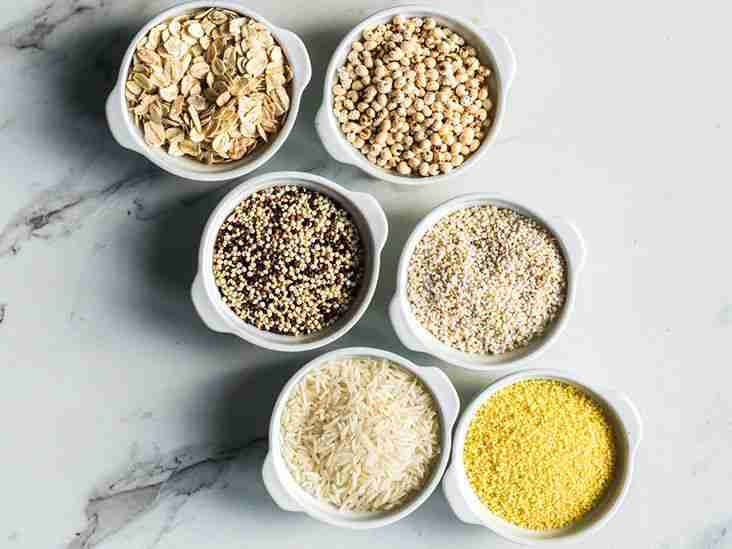
Understanding the Grain: From Field to Flake
Every bite of cereal begins with an intricate journey, starting in vast fields where grains like wheat, corn, and oats thrive. Farmers carefully cultivate these crops, monitoring factors such as soil composition, weather, and pests to ensure a robust harvest. Once harvested, the grains are transported to processing facilities, where they undergo initial cleaning to remove foreign materials. This stage is critical as it ensures that only the highest quality grains move forward in the production line, ultimately impacting the flavor and texture of the breakfast staples we cherish.
Following the cleaning process, grains undergo a series of transformations that turn them into the breakfast options we enjoy. The grains are typically ground, steamed, and toasted to develop distinct textures and flavors. Techniques such as flaking and puffing are employed, each requiring precise temperature and moisture management to achieve the desired outcome. Here’s a simplified view of common processing steps and their purposes:
| Processing Step | Purpose |
|---|---|
| Cleaning | Remove impurities and enhance grain quality |
| Grinding | Create flour or meal for cereals |
| Steaming | Enhance texture and flavor retention |
| Toasting | Develop rich flavors and crispness |
| Flaking/Puffing | Create unique shapes and textures |
Cereal processing is a delicate balance of tradition and technology, ensuring that each grain is transformed into a delicious, nutritious breakfast option. With innovation bridging the gap between farm and table, the cereals we consume reflect not just flavor, but the science that underlies their production.

The Role of Temperature and Moisture in Cereal Transformation
Cereal transformation is a fascinating dance between temperature and moisture, working together to create the textures and flavors we enjoy. Temperature acts as the conductor of this symphony, with each stage of processing requiring precise thermal control. During the initial cooking phase, high temperatures help to gelatinize starches, making them digestible and enhancing the overall taste. As the temperature rises, the moisture within grains evaporates, allowing for the crystallization of sugars that contributes to caramelization, producing those delightful golden hues we associate with toasted cereals.
Meanwhile, moisture functions as a crucial player in enhancing the cohesiveness and palatability of cereals. Proper moisture levels not only aid in the cooking process but also determine the texture of the final product. Too dry, and you risk a brittle product; too moist, and you encounter issues with spoilage. The art of balancing these elements is pivotal in achieving that perfect crunch in breakfast cereals. Various processing methods, such as puffing, flaking, or extruding, all rely on finely tuned interactions between heat and humidity, each leaving its unique mark on the cereal’s final character.
| Processing Method | Temperature Range (°C) | Moisture Content (%) |
|---|---|---|
| Puffing | 180-220 | 10-20 |
| Flaking | 120-140 | 12-15 |
| Extruding | 160-190 | 14-30 |

Nutritional Insights: Enhancing Health Through Cereal Choices
Cereal isn’t just a convenient breakfast option; it can be a powerhouse of nutrients when selected wisely. When delving into the world of cereals, paying attention to the ingredient list can vastly influence your overall health. Whole grains, for example, are rich in dietary fiber, which not only promotes digestive health but also helps manage blood sugar levels. Opting for cereals that highlight whole grains on the label can ensure you’re reaping these benefits. Additionally, many cereals are fortified with essential vitamins and minerals, such as:
- Iron: Vital for oxygen transport in the blood.
- Folate: Important for cell division and new tissue formation.
- Vitamin D: Crucial for calcium absorption and bone health.
Moreover, the type of processing a cereal undergoes can shape not only its taste but also its nutritional profile. For instance, cereals that retain their bran and germ layers tend to have higher nutrient retention compared to highly processed varieties. Consumers should be cautious of added sugars, which can obscure the health benefits of cereals without proper labeling. In fact, examining a cereal’s nutritional information can guide you to make informed choices. Below is a simple comparison of common cereal types:
| Cereal Type | Whole Grains | Added Sugars | Fiber Content |
|---|---|---|---|
| Oatmeal | Yes | Low | High |
| Granola | Sometimes | Medium | Medium |
| Frosted Flakes | No | High | Low |
Innovative Techniques in Cereal Production: Sustainability Meets Convenience
As the demand for sustainable food sources increases, cereal production is evolving to incorporate innovative methods that prioritize both ecological integrity and consumer convenience. Modern techniques harness technology, including precision agriculture and biotechnology, to optimize yields while reducing environmental footprints. For instance, farmers are now using data analytics to determine the best planting times and quantities of water and nutrients needed, which significantly minimizes waste and enhances crop resilience to climate fluctuations. Moreover, the application of genetic modifications has led to the development of cereal varieties that are not only more nutritious but also resistant to pests and diseases, decreasing the need for harmful pesticides.
Furthermore, innovative processing techniques are reshaping the breakfast cereal landscape, making nutritious options more accessible to consumers. The integration of whole grains and ancient grains like quinoa and amaranth into popular cereal products means a greater emphasis on holistic nutrition without sacrificing convenience. Advances such as cold extrusion and nutrient encapsulation ensure that essential vitamins and minerals remain intact throughout processing. These methods not only contribute to longer shelf life but also enhance the sensory appeal and flavor profiles of cereals, ensuring that sustainability and indulgence can indeed go hand in hand. Below is a table illustrating some of these innovations:
| Innovation | Description | Environmental Impact |
|---|---|---|
| Precision Agriculture | Data-driven farming techniques for optimized yields. | Reduces resource waste and energy consumption. |
| Genetic Modifications | Enhanced crop resilience and nutritional value. | Less reliance on chemical pesticides. |
| Cold Extrusion | Gentle processing method maintaining nutrient integrity. | Lower energy use compared to traditional methods. |
Closing Remarks
In the grand tapestry of our daily lives, cereal stands as a vibrant thread—tasty, convenient, and packed with the early morning promise of nourishment. As we conclude our journey through the intricate world of cereal processing, it’s clear that this seemingly simple breakfast staple is the result of a sophisticated interplay of science, agriculture, and technology. From the meticulous selection of grains to the precise engineering of processing techniques, every step is imbued with expertise aimed at delivering a product that not only satisfies our taste buds but also supports our nutritional needs.
Understanding the science behind cereal processing allows us to appreciate the alchemy at work in our bowls each morning. The next time you pour that perfect bowl of flakes or puffs, take a moment to reflect on the journey each grain has undertaken—from field to factory to your breakfast table. With an appreciation of the innovation that lies beneath the surface, may your morning rituals continue to be filled with delight and discovery. Here’s to your next bowl—and the remarkable journey it represents!



