
Introduction: Revolutionizing Harvests: The Future of Fully Automatic Rice Mills
As the world continues to evolve, so too does our approach to agriculture and food production. In regions where rice serves as a staple, the quest for efficiency and sustainability has sparked a technological renaissance. Enter fully automatic rice mills—mechanical marvels designed to transform traditional harvesting practices into streamlined, futuristic operations. By seamlessly integrating advanced automation, these mills promise not only to enhance productivity but also to reduce labor costs and minimize waste in rice processing. As we explore the potential of these cutting-edge machines, we delve into how they could reshape the landscape of rice cultivation, driving agricultural innovation into a new era while addressing the pressing challenges faced by farmers around the globe. Join us as we uncover the possibilities that lie ahead in the age of automatic rice milling.
Harnessing Cutting-Edge Technology for Enhanced Efficiency in Rice Milling
The integration of advanced technology in rice milling processes marks a significant leap towards operational excellence. By utilizing IoT sensors, AI-driven analytics, and automated machinery, modern rice mills can achieve unprecedented levels of precision and efficiency. These innovations not only streamline the milling process but also enhance the quality of the final product, ensuring that the rice retains its nutrients and flavor. Key features of these cutting-edge systems include:
- Real-time Monitoring: IoT sensors provide continuous data on moisture levels, temperature, and product consistency, allowing mill operators to make immediate adjustments.
- Predictive Maintenance: AI algorithms analyze equipment performance to predict failures before they happen, minimizing downtime and maintenance costs.
- Automated Sorting and Grading: Advanced imaging technology ensures that only the best grains are selected, reducing waste and increasing market competitiveness.
Adopting these technological advancements ultimately leads to greater resource management and sustainability in rice production. As mills embrace automation, labor costs are reduced, and environmental impacts are lessened due to optimized energy and water consumption. This gradual transition is illustrated in the following table comparing traditional and modern rice milling technologies:
| Feature | Traditional Milling | Fully Automatic Milling |
|---|---|---|
| Labor Requirements | High | Minimal |
| Operational Efficiency | Moderate | High |
| Product Quality | Inconsistent | Consistent |
| Energy Consumption | High | Optimized |
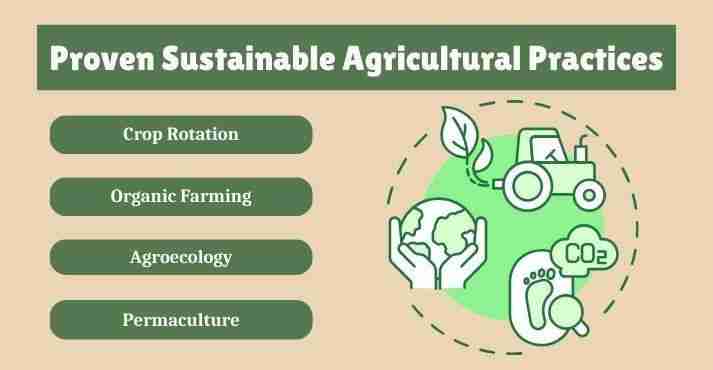
Sustainable Practices: The Role of Automation in Reducing Environmental Impact
Automation in agriculture, particularly in rice milling, presents a transformative opportunity to minimize environmental degradation while enhancing productivity. By integrating advanced technologies—such as machine learning algorithms, sensors, and robotics—fully automatic rice mills significantly reduce the reliance on manual labor, thus lowering carbon emissions associated with transportation and human activity in the field. These smart systems not only optimize energy use but also streamline processes to maximize yield and minimize waste. This shift toward automation incorporates features like precision irrigation and real-time monitoring, which allow for more efficient use of water resources and fertilizers, significantly curbing overuse that often leads to soil depletion and water pollution.
Moreover, the implementation of automated systems leads to a decreased need for chemical additives, promoting a healthier ecosystem. Through data analytics, mills can precisely determine the optimal processing times and conditions, ensuring that grains are milled with minimal disruption to their nutrient content and natural qualities. The future of rice milling is not just about increasing efficiency; it’s about creating a sustainable agricultural framework, where each step in production is finely tuned to reduce environmental impact. Key benefits include:
- Lower carbon footprint: By automating processes, energy consumption is reduced significantly.
- Water conservation: Advanced systems optimize water usage, reducing wastage.
- Waste reduction: Automation enhances sorting and quality control, minimizing byproduct loss.
| Aspect | Before Automation | After Automation |
|---|---|---|
| Labor Intensity | High | Low |
| Energy Consumption | High | Reduced |
| Water Usage | Excessive | Optimized |
| Production Efficiency | Moderate | High |
Empowering Farmers: Economic Benefits of Fully Automatic Rice Mills
Fully automatic rice mills represent a transformative leap for farmers, particularly in regions where rice is a staple crop. By embracing this advanced technology, farmers can experience a myriad of economic benefits that go beyond mere convenience. These mills drastically reduce the time and labor required for processing rice, allowing farmers to allocate their resources more efficiently. This means that less human effort is needed for labor-intensive tasks, which in turn reduces operational costs. Additionally, farmers can now achieve improved milling yields, meaning they can extract more rice per cycle, further enhancing their profit margins.
The economic advantages extend to quality improvements as well. With state-of-the-art machinery, fully automatic rice mills ensure consistent grain quality and reduce the chance of broken rice—a common issue in traditional milling processes. As a result, farmers can command better prices for their produce in the market. Other benefits include:
- Lower energy consumption: Modern mills are designed for efficiency, reducing costs on energy bills.
- Access to new markets: High-quality rice can open doors to export opportunities.
- Increased scalability: Farmers can expand production easily without a proportional increase in labor costs.
An analysis of recent data illustrates the potential financial uplift for farmers using these modern systems:
| Criterion | Traditional Mill | Fully Automatic Mill |
|---|---|---|
| Processing Time (hours per ton) | 5 | 2 |
| Labor Requirement (workers) | 4 | 1 |
| Yield (%) | 60 | 75 |
| Potential Profit Increase (%) | 15 | 30 |
These statistics showcase just how significantly farmers can benefit economically from adopting fully automatic rice mills. The investment in such technology not only enhances productivity but also fosters sustainable agricultural practices and empowers rural communities.
Navigating Challenges: Strategies for Successful Implementation and Adoption
As the agricultural landscape evolves with the advent of fully automatic rice mills, various challenges surface that can impede successful implementation and widespread adoption. Addressing these hurdles requires an integrated approach that combines technology with local agricultural practices. Effective training programs for farmers and workers are vital, ensuring they have the necessary skills to operate and maintain these sophisticated systems. Establishing community engagement initiatives can promote user acceptance and adaptation, fostering a culture of change and innovation within farming communities.
Next, the establishment of reliable technical support services is crucial. A dedicated team that can provide immediate assistance helps alleviate concerns and minimizes downtime. Moreover, collaborating with local agricultural organizations can enhance resource sharing, from machinery to best practices. By understanding the specific challenges faced in different regions, tailor-made solutions can be devised. This multifaceted strategy not only addresses operational challenges but also nurtures a thriving ecosystem that embraces technology for sustainable agricultural advancement.
| Strategy | Description |
|---|---|
| Training Programs | Education on operating and maintaining rice mills. |
| Community Engagement | Activities to encourage acceptance of technology. |
| Technical Support | Provide ongoing assistance for machinery issues. |
| Collaboration with Organizations | Sharing resources and best practices for mill operation. |
Future Outlook
As the sun sets on traditional harvesting methods, a new dawn is breaking for the rice industry. The emergence of fully automatic rice mills promises to reshape agricultural practices, elevate productivity, and enhance sustainability. By integrating sophisticated technology with a deep understanding of the land, these innovative systems not only streamline the milling process but also empower farmers to meet the growing demands of a global population. As we stand on the brink of this agricultural revolution, it is clear that the future of rice production will be defined by efficiency, precision, and a commitment to nurturing both crops and communities. In the coming years, we can expect these automated wonders to not only transform our fields but also inspire a new era of food security and environmental stewardship. The journey ahead is filled with potential, and as we embrace these advancements, we pave the way for a more resilient and sustainable agricultural landscape. The future is ripe for revolution; let us cultivate it wisely.



