
In the quiet embrace of rural landscapes, where golden fields sway gently in the breeze, lies a transformative journey that begins with a humble grain: paddy. This unassuming seed is not merely a staple food for millions; it is a testament to traditions, cultures, and meticulous craftsmanship that span generations. “Inside the Heart of Grain: Exploring Paddy Processing Practices” invites you to peel back the layers of this vital staple, revealing the intricate processes that elevate paddy from its raw, earthy state to the polished grains that adorn our plates. From the rhythmic sounds of harvesting to the delicate art of milling, we delve into the age-old practices and innovative techniques that shape the destiny of rice around the world. Join us as we embark on a journey through the heart of grain, where each step tells a story of sustainability, community, and the relentless pursuit of quality in every grain.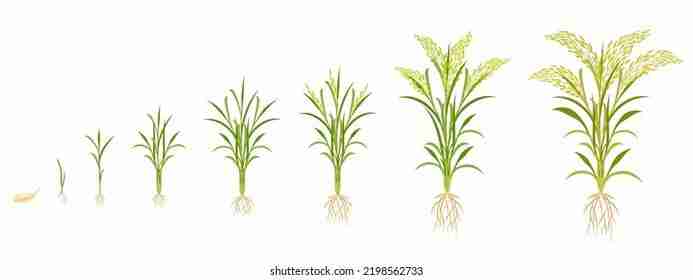
Understanding the Paddy Cycle from Farm to Table
The journey of paddy from lush green fields to the dinner table is a compelling narrative of nature’s bounty and human ingenuity. The cycle begins with careful cultivation, including meticulous land preparation, followed by the sowing of seeds. Farmers employ traditional techniques or modern machinery to ensure the seeds thrive in nutrient-rich soil. As the plants grow, they are nurtured through the critical phases of irrigation and fertilization, while cultural practices like pest management ensure a healthy yield. When the paddy grains ripen, they are harvested at the perfect moment, capturing the essence of each grain for future generations to enjoy.
Once harvested, paddy enters the processing phase, which transforms it into the staple food we know. This step is essential in determining the quality of rice produced, incorporating processes such as drying, milling, and polishing. Drying removes moisture, preventing spoilage, while milling separates the husk from the grain, a delicate touch that requires both skill and technology. the paddy is polished to meet the desired standards before it reaches consumers. Understanding each stage highlights the synergy between traditional practices and modern advancements, ensuring that we not only preserve our heritage but also embrace sustainable approaches for the future.
| Process Stage | Description |
|---|---|
| Land Preparation | Preparing soil for sowing by plowing and leveling. |
| Sowing | Dispersing seeds either manually or using machines. |
| Harvesting | Collecting mature grains at the right time. |
| Processing | Drying, milling, and polishing to enhance quality. |
Innovative Techniques in Paddy Processing and Their Benefits
Advancements in paddy processing have introduced a variety of innovative techniques that significantly enhance the quality and efficiency of rice production. One such innovation is the use of parboiling, a process where paddy is soaked, steamed, and dried before milling. This technique not only improves the nutritional profile of rice but also enhances its cooking quality, resulting in grains that are less prone to breakage. Additionally, the adoption of high-efficiency milling technologies, such as the use of modern rice mills equipped with optical sorters and stone extracting machines, ensures a higher yield of polished rice while minimizing loss. This not only elevates the market value of rice but also reduces waste throughout the processing chain.
Furthermore, integrated pest management (IPM) systems have been developed to safeguard paddy during post-harvest processing. By combining biological control with minimal use of chemical pesticides, IPM ensures the grain remains free from contaminants, thus appealing to health-conscious consumers. The emphasis on sustainable practices has also led to the introduction of biodegradable packaging for processed rice products. This innovative packaging minimizes environmental impact and resonates with eco-friendly markets. The following table summarizes some of the key innovative techniques and their associated benefits:
| Technique | Benefits |
|---|---|
| Parboiling | Enhanced nutrition; improved cooking quality |
| High-Efficiency Milling | Higher yield; reduced waste |
| Integrated Pest Management | Minimal pesticides; safer grain |
| Biodegradable Packaging | Environmental sustainability; market appeal |
Sustainability Practices: Balancing Efficiency and Environment
In the quest for effective paddy processing, sustainability practices have emerged as essential elements that ensure a harmonious relationship between efficiency and ecological responsibility. Many grain processors are now adopting innovative technologies that not only enhance production speed but also minimize waste and reduce energy consumption. By integrating methods such as biological pest control and solar drying techniques, facilities can significantly decrease their ecological footprint while maintaining high-quality output. These strategies not only promote environmental health but also lower operational costs in the long run.
Moreover, adhering to sustainable practices encourages a circular economy within the grain industry. Waste materials from processing can be transformed into valuable byproducts, contributing to additional revenue streams. For instance, rice husks can be converted into biorenewable fuels or used as organic mulch in agriculture. This innovative use of byproducts aligns with sustainability goals, fostering a resource-efficient model that benefits producers, consumers, and the planet alike. Below is a brief comparison of traditional versus sustainable paddy processing methods:
| Method | Efficiency | Environmental Impact |
|---|---|---|
| Traditional | Moderate | High waste, energy-intensive |
| Sustainable | High | Low waste, energy-efficient |
Quality Control Measures for Superior Grain Production
Ensuring the highest quality in grain production starts with meticulous quality control measures that are implemented throughout the paddy processing journey. From the initial cleaning of the grains to the final packaging, each step is crucial in preventing impurities and preserving the grain’s natural qualities. Integral aspects of quality control include:
- Regular Inspection: Conducting frequent checks at different stages to identify and remedy potential issues.
- Moisture Content Measurement: Utilizing advanced moisture meters to ascertain optimal humidity levels, crucial for preventing spoilage.
- Contamination Testing: Running tests for pesticides, molds, and other harmful substances to ensure consumer safety.
- Grain Grading: Classifying grains based on size, color, and quality, enabling better sorting and selling strategies.
To further optimize these processes, workers are trained to follow strict protocols that uphold quality standards. Advanced technologies such as automated sorting machines and AI-driven analytics assist in detecting defects that may go unnoticed by the human eye. An effective quality control system not only boosts the overall yield but also enhances the marketability of the product. The following table illustrates key quality control parameters and their respective ideal standards:
| Parameter | Ideal Standard |
|---|---|
| Moisture Content | 14% or less |
| Impurities | 1% or less |
| Grain Color | Uniform and natural |
| Kernel Hardness | Consistent |
Key Takeaways
As we draw the curtain on our exploration of paddy processing practices, we find ourselves standing at the intersection of tradition and innovation. The journey through the heart of grain reveals not just the meticulous steps involved in transforming husked rice into the versatile staple we cherish, but also unveils the rich tapestry of cultural significance woven into each grain. From the sun-drenched fields to the bustling mills, every stage of processing embodies an age-old wisdom that continues to evolve with the times.
Understanding these practices not only deepens our appreciation for the humble rice grain but also underscores the importance of sustainable methods that honor both the environment and the communities that depend on this vital crop. As we nourish our bodies with this essential food, let us also cultivate a respect for the intricate processes that bring it to our tables.
the heart of grain beats with the promise of sustenance and connection, echoing through generations and celebrating the resilience of those who cultivate it. As we navigate the future of food, let us carry forward the lessons learned from the heart of grain—cultivating not just crops, but a deeper understanding of our shared culinary heritage.



