
Transforming Grains: The Complete Rice Milling Machine Guide
In a world where culinary traditions intertwine with technological innovations, rice stands out as a staple that has nourished billions for centuries. From fragrant basmati to sticky sushi rice, the versatility of this humble grain is unparalleled. Yet, behind every grain of rice lies a complex journey that begins long before it reaches our plates. The process of milling—transforming harvested paddy into the pristine grains we are accustomed to—plays a pivotal role in this journey.
Enter the rice milling machine, a marvel of engineering designed to enhance efficiency and quality in rice production. This comprehensive guide delves into the intricacies of rice milling machinery, exploring everything from the basic components and operational principles to the latest advancements that are reshaping the industry. Whether you are a seasoned farmer seeking to upgrade your equipment or a curious foodie eager to understand the process, this article will illuminate the path from paddy to polished rice, revealing the transformative power of technology in the age-old art of grain milling. Join us as we navigate the essential elements of rice milling machines and uncover how they contribute to the rich tapestry of global cuisine.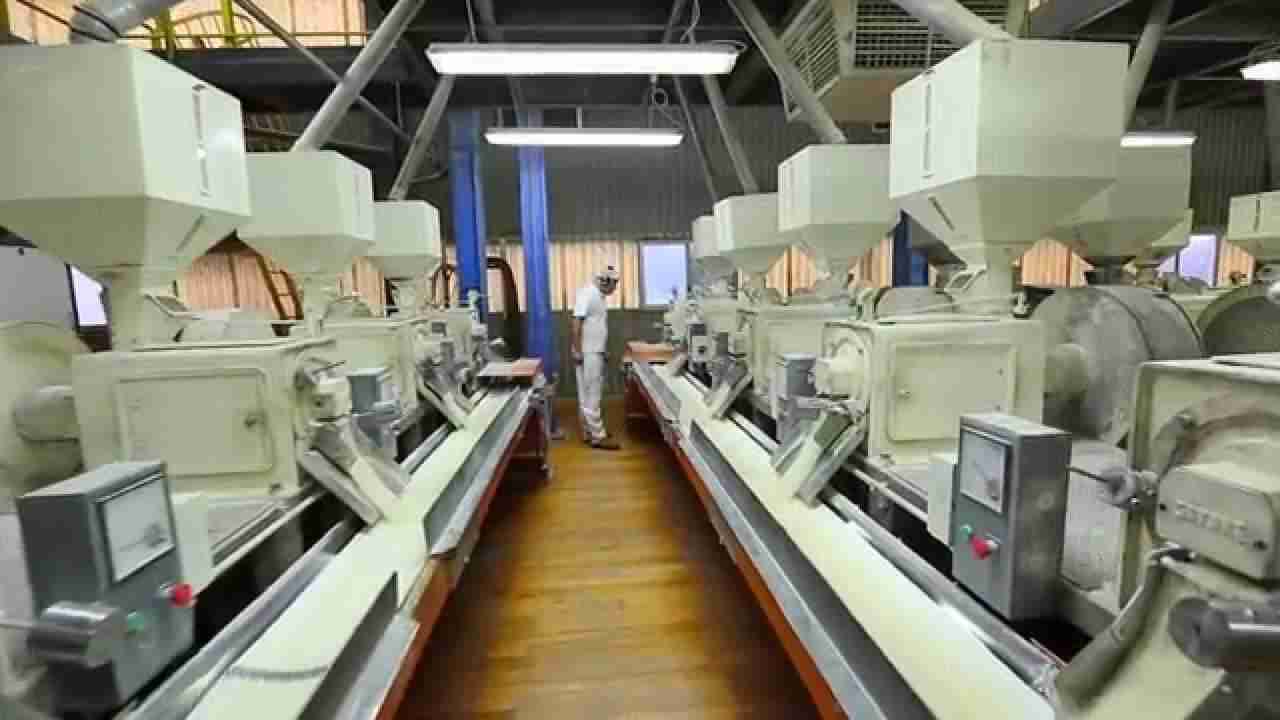
Understanding the Rice Milling Process and Its Importance
The rice milling process is a vital operation in the journey from paddy to polished grains, transforming rough rice into a staple food that is enjoyed worldwide. This intricate procedure incorporates several stages, each enhancing the quality and marketability of the final product. The initial step involves cleaning, where impurities such as dust and stones are removed, followed by hulling, which separates the husk from the grain. After hulling, the milling phase begins, where brown rice is polished to achieve its white, appealing appearance. in the grading stage, the milled rice is sorted based on size and quality, ensuring consumers receive the best product. The careful execution of each stage not only preserves the vital nutrients in the rice but also enhances its flavor and texture.
The significance of the rice milling process extends beyond mere aesthetics; it plays a crucial role in food security and economic stability. A well-implemented milling operation can lead to higher yields and reduced waste, directly impacting farmers’ profitability. Moreover, the process allows for the preservation of rice’s nutritional value, making it a sustainable food source for countless populations. Below is a brief overview of the critical factors influencing rice milling efficiency:
| Factor | Impact |
|---|---|
| Quality of Paddy | Higher quality results in better yields. |
| Milling Technology | Advanced machines reduce breakage and enhance efficiency. |
| Skilled Labor | Expertise improves processing outcomes. |
| Environmental Conditions | Humidity and temperature can affect the milling quality. |
This multifaceted process not only elevates the status of rice as a food product but is also a driver of local economies, emphasizing the importance of investing in better milling practices and technology. By understanding the nuances of rice milling, stakeholders can strategize effectively, ensuring a reliable and nutritious food supply for future generations.

Key Features to Look for in an Efficient Rice Milling Machine
When selecting a rice milling machine, it is crucial to focus on features that enhance efficiency and improve the overall milling process. Power consumption is a key aspect; machines designed to maximize output while minimizing energy usage can significantly reduce operational costs. Look for capacity specifications that match your production needs—machines that can handle a higher volume per hour will be invaluable in meeting demand. Additionally, consider the build quality; a robust machine made with durable materials will endure the rigors of constant use, thus providing a better return on investment.
Another important feature is multi-functionality. Machines that allow for a variety of milling operations, such as de-husking, whitening, and polishing all in one system can save both time and money. Equally important is user-friendliness; options with intuitive controls and easy maintenance access ensure that your staff can operate the machinery effectively without extensive training. Lastly, warranty and support services are essential; choosing a manufacturer that offers reliable post-purchase support can help mitigate potential issues and ensure longevity of the machine.
| Feature | Importance | Example |
|---|---|---|
| Power Efficiency | Reduces operational costs | Low-energy models |
| Production Capacity | Meets market demands | 500 kg/hour |
| Multi-functionality | Saves time and money | De-husking and whitening |
| User-friendliness | Minimizes training needs | Intuitive control panels |
| Warranty | Ensures long-term support | 2-year warranty |
Comparative Analysis of Different Rice Milling Technologies
In the realm of rice milling technologies, the diverse methods employed can significantly impact the quality, yield, and efficiency of the end product. A few common technologies include traditional milling, modern automated milling, and compact milling units. Each of these approaches brings its own set of advantages and disadvantages, influencing factors such as labor requirements, energy consumption, and cost-effectiveness. For instance, traditional milling relies heavily on manual labor and basic machinery, which may lead to lower procurement costs but can also result in higher post-harvest losses due to inefficiency. Conversely, modern automated milling systems streamline the process with advanced machinery, offering higher throughput and superior product quality, albeit at a higher initial investment. Compact milling units serve as a hybrid solution, integrating efficiency while catering to small-scale operations.
When selecting a milling technology, it’s essential to consider the following criteria:
- Cost of Investment: Upfront costs versus long-term savings.
- Quality of Output: The degree to which the technology preserves rice quality.
- Operational Efficiency: Energy consumption and processing speed.
- Scalability: Ability to adapt to varying production demands.
- Maintenance Requirements: Frequency and complexity of upkeep.
| Technology | Advantages | Disadvantages |
|---|---|---|
| Traditional Milling | Lower investment costs, easily accessible | High labor dependency, lower quality |
| Modern Automated Milling | High efficiency, improved quality | Higher initial costs, complex maintenance |
| Compact Milling Units | Flexible, decent quality, lower cost | Limited capacity, mid-range efficiency |
By understanding the strengths and weaknesses of each technology, stakeholders can make informed decisions tailored to their specific needs, ensuring that the chosen milling system enhances the overall rice production process.
Maintenance Tips for Longevity and Optimal Performance of Your Mill
Regular maintenance is essential to ensure the longevity and optimal performance of your rice milling machine. Start by establishing a routine inspection schedule to check for any signs of wear or damage. Key components to examine include the hullers, polishers, and separators. Clean these parts thoroughly after each use to remove any grain residue or dust that can lead to microbial growth and mechanical issues. It’s also imperative to monitor belt tension and lubrication levels, as these can significantly impact efficiency. Always refer to the manufacturer’s manual for specific maintenance guidelines tailored to your machine.
In addition to routine checks, an annual professional servicing is highly recommended to catch any latent issues you may overlook. During these visits, technicians can perform detailed diagnostics, calibrate performance settings, and replace worn-out components before they lead to costly downtime. Moreover, it’s beneficial to maintain an organized maintenance log. Record the dates of inspections, parts replaced, and any issues encountered. This documented history provides valuable insight into the machine’s performance trends, which helps in planning future upgrades or replacements effectively. Here are some tips to keep your milling machine running smoothly:
- Daily Cleaning: Clean the machine after each production batch.
- Lubrication: Ensure all moving parts are well-lubricated.
- Monitor Temperature: Excess heat can cause premature wear; keep the machine cool.
Future Outlook
As we conclude our exploration of rice milling machines, we hope this guide has illuminated the intricate journey from grain to grain. Through the delicate balance of technology and tradition, the transformation of rice holds immense significance, not only for our kitchens but for global food security and economic vitality.
Armed with knowledge about the various types, functions, and advancements in milling equipment, you are now equipped to make informed decisions that align with your agricultural or processing aspirations. Whether you are a small-scale farmer, an entrepreneur, or simply a rice enthusiast, embracing the right milling solutions can enhance quality, efficiency, and profitability.
Remember, the world of rice milling is ever-evolving, and staying informed about innovations will keep you ahead in this vital industry. We encourage you to embrace the craftsmanship of milling, honoring the grains that have nourished generations while paving the way for a sustainable future. Thank you for joining us on this journey—may your rice always be perfectly polished and your ventures successful!



