
Rice milling is a delicate dance between art and science, where skilled craftsmen and advanced technology come together to transform a humble grain into a culinary masterpiece. In this article, we delve into the intricate process of rice milling, exploring the ancient traditions and cutting-edge methods that shape the final product. Join us on a journey through the fascinating world of rice production, where precision meets passion in a harmonious blend of art and science.
Understanding the Different Milling Processes
Rice milling is a fascinating process that combines both art and science. There are several different milling processes used to transform raw rice grains into the polished white rice that we all know and love. Each method has its own unique characteristics and advantages, depending on the desired end result. By understanding the various milling processes, we can appreciate the complexities involved in producing the rice we consume every day.
One common milling process is **whitening**, which involves removing the outer hull of the rice grain. This step is essential for producing the white rice that is popular around the world. Another method is **polishing**, where the rice is further refined to achieve a glossy appearance. Different milling techniques can also affect the texture and flavor of the rice, making the process a crucial aspect of rice production.
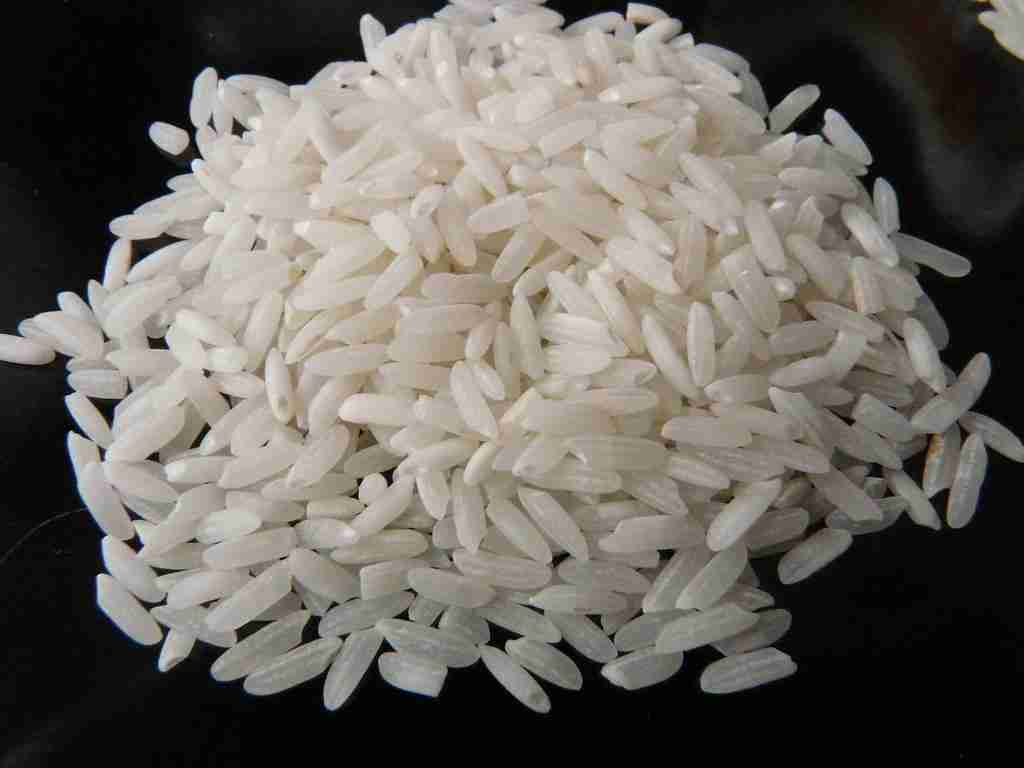
Maximizing Rice Yield and Quality Through Proper Milling Techniques
Rice milling is both an art and a science that plays a crucial role in maximizing the yield and quality of rice. Proper milling techniques are essential in ensuring that the rice grains are processed efficiently and effectively, resulting in high-quality rice products that meet market standards. By applying the right methods and equipment, rice millers can achieve optimal results in terms of yield, texture, flavor, and appearance.
One key aspect of rice milling is polishing, which helps to enhance the appearance and marketability of the rice grains. Polishing removes the outer layer of the rice grain, known as the bran, resulting in a shiny, white appearance that is preferred by consumers. Another important technique is sorting, which involves separating the rice grains based on size, shape, and color. By carefully sorting the grains, millers can ensure uniformity in the final product, leading to better cooking properties and overall customer satisfaction.

Incorporating Technology for Efficient Rice Milling Practices
Rice milling is an age-old practice that has undergone significant transformation with the introduction of technology. In today’s modern world, incorporating advanced technology into rice milling practices has become essential for efficient production and quality control. By embracing the art and science of rice milling, millers can optimize their operations and deliver superior rice products to consumers.
One of the key ways technology has revolutionized the rice milling industry is through the automation of processes. This includes the use of cutting-edge machinery and equipment that can increase productivity and reduce manual labor. Additionally, digital monitoring systems can track the entire milling process in real-time, allowing millers to make necessary adjustments for optimal efficiency. With the integration of technology, rice milling has become more precise, consistent, and cost-effective, ensuring higher yields and better quality rice.
Exploring Sustainable Practices in Rice Milling Industry
Rice milling is not just a process, it’s an art that combines traditional techniques with modern technology to produce high-quality rice products. Sustainability in rice milling industry is becoming increasingly important as we strive to minimize the environmental impact of the production process. By exploring sustainable practices, rice millers can reduce waste, conserve energy, and protect natural resources for future generations.
Implementing sustainable practices in rice milling industry involves a combination of innovative techniques and responsible decision-making. Some key practices include:
- Water conservation: Implementing water recycling systems and utilizing water-efficient technologies can help reduce water usage in the milling process.
- Energy efficiency: Installing energy-efficient machinery and utilizing renewable energy sources can help reduce carbon emissions and lower operating costs.
- Waste management: Implementing composting programs and recycling initiatives can help reduce waste and minimize environmental impact.
To Conclude
In conclusion, the art and science of rice milling is a fascinating and intricate process that combines traditional techniques with modern technology to produce the staple food that feeds millions of people around the world. From selecting the right rice variety to perfecting the milling process, every step plays a crucial role in ensuring the quality and nutritional value of the final product. As we continue to innovate and improve upon these practices, we are not only preserving the rich traditions of rice cultivation, but also pushing the boundaries of science to create a more sustainable and efficient future for agriculture. So the next time you enjoy a delicious bowl of rice, take a moment to appreciate the incredible journey that brought it from the field to your plate.



