
Unlocking the Secrets of Maize Milling: A Farm to Flour Journey
In the heart of countless fields where bright green maize plants stretch their leafy arms toward the sun, an extraordinary transformation unfolds—a journey that takes the humble corn kernel from farm to flour. This innovative process, steeped in tradition yet powered by modern technology, is crucial in feeding communities and creating economic opportunities across the globe. As we delve into the intricate world of maize milling, we’ll explore the practices and techniques that unlock the potential of this versatile grain, revealing the meticulous craftsmanship that turns raw maize into the finely ground flour used in countless recipes. From the sun-drenched farms where maize is grown to the bustling mills where it is transformed, join us as we uncover the secrets behind this essential agricultural process and celebrate the culinary possibilities it offers.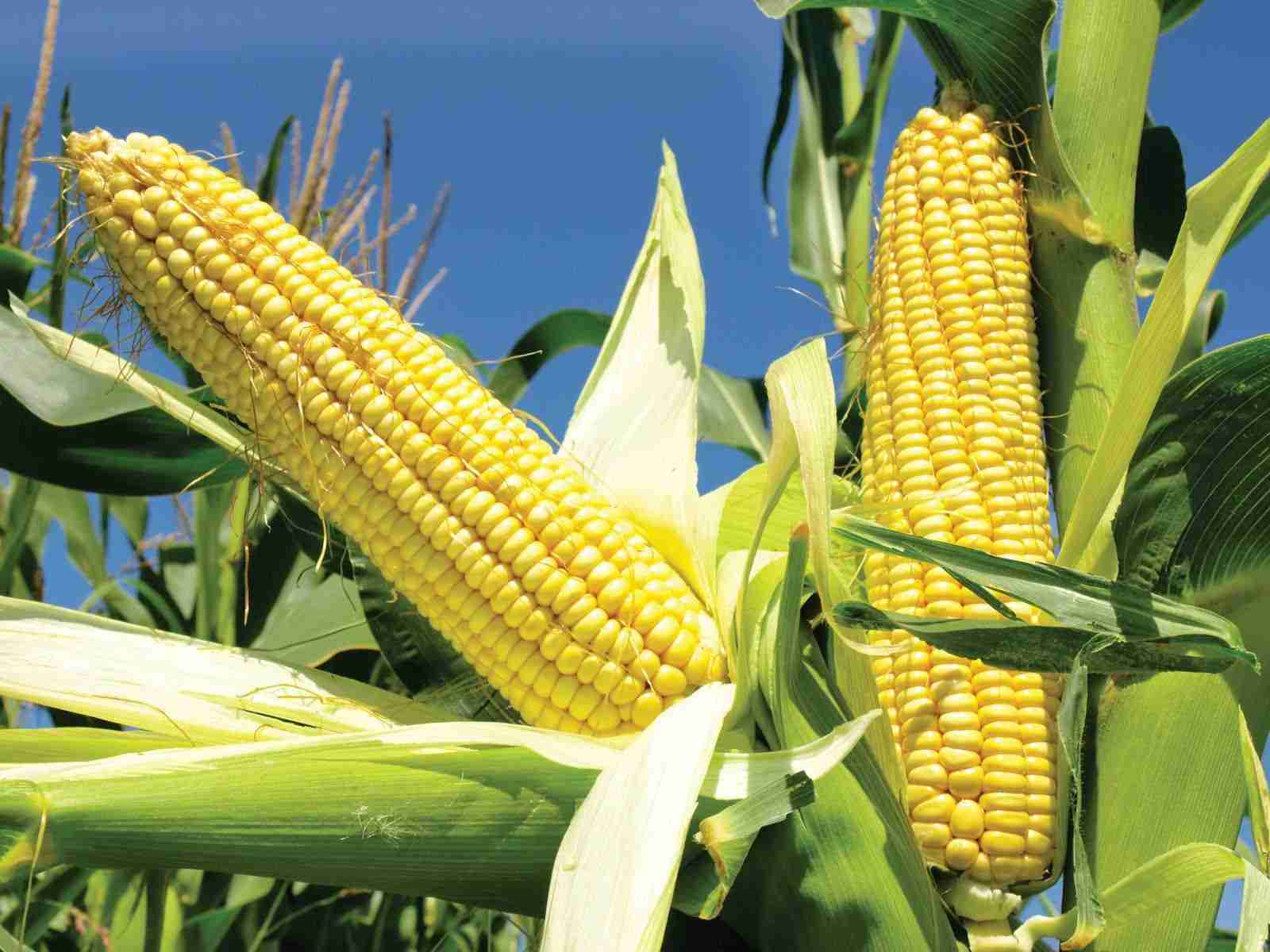
Understanding the Maize Lifecycle and Its Impact on Milling Efficiency
Understanding the lifecycle of maize is crucial for optimizing milling efficiency, as each stage from sowing to harvest influences the quality and characteristics of the grain. The lifecycle can be divided into several key stages:
- Germination: Begins when maize seeds absorb water and swell, leading to seedling emergence.
- Vegetative Growth: The plant develops leaves and stems, which are vital for photosynthesis.
- Reproductive Stage: Pollination occurs, resulting in the formation of ears filled with kernels.
- Maturation: Kernels reach physiological maturity, maximizing their nutritional and processing potential.
- Harvesting: Timely harvesting is essential to avoid losses due to weather or pests.
Each of these stages contributes to the eventual quality of maize, impacting not only the yield but also the efficiency of the milling process. Key factors that influence milling efficiency include:
| Factor | Impact on Milling |
|---|---|
| Kernel Moisture Content | Your ability to grind the maize effectively without excess waste. |
| Grain Size | Determines the extraction rate and the quality of flour produced. |
| Contamination Levels | Affects the necessity for cleaning processes before milling. |
By nurturing the maize through its lifecycle with attention to these factors, farmers can ensure that the grains harvested maintain their quality, ultimately streamlining the milling process and enhancing the end product’s value.

Exploring Techniques for Optimal Grain Preparation and Quality Control
The journey from maize to flour is a meticulous process that requires careful attention to detail, particularly in the areas of grain preparation and quality control. Every step, from harvesting to milling, can significantly impact the final product’s quality. For optimal results, several techniques can be employed to enhance grain preparation:
- Sorting and Cleaning: Removing impurities, stones, and damaged grains before processing is critical to ensure the quality of the final flour.
- Moisture Control: Maintaining the appropriate moisture levels during storage and processing can prevent mold growth and ensure consistent grinding results.
- Conditioning the Grains: Adjusting moisture content before milling helps soften the grains, enabling a more efficient grinding process.
- Grinding Technique: Choosing the right milling equipment and techniques, such as stone milling versus roller milling, can yield different flour textures and characteristics.
Quality control does not end once the grains are milled. Continuous testing and assessment play a vital role in maintaining flour standards. Below is a simple overview of key quality control measures:
| Quality Attribute | Test Method | Acceptance Criteria |
|---|---|---|
| Moisture Content | Oven Drying Method | 12% – 14% |
| Protein Level | Kjeldahl Method | 8% – 10% |
| Ash Content | Incineration Method | 0.5% – 1% |
| Granulation Size | Sieve Analysis | Defined range for desired flour type |
Implementing these preparation techniques and stringent quality control measures can lead to superior flour that meets the culinary demands of modern consumers. The cycle of constant refinement in grain preparation not only enhances the flour quality but also honors the dedication of farmers and millers in every batch produced.
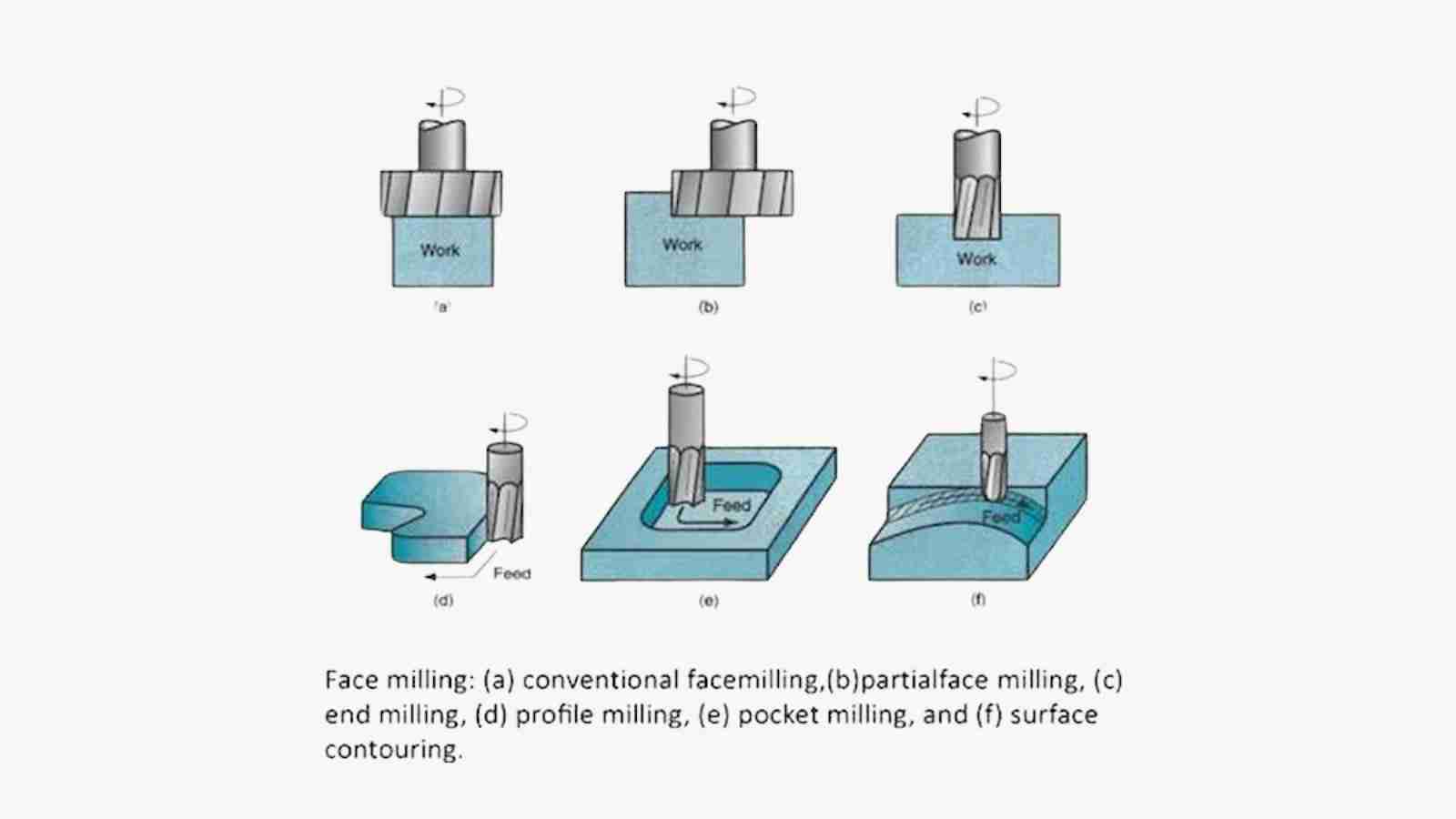
The Milling Process: Innovations and Best Practices for Flour Production
The milling process has undergone significant transformations thanks to advancements in technology and a growing understanding of best practices. By adopting modern milling techniques, producers can achieve higher efficiency while enhancing the nutritional quality of the flour. Innovations such as high-performance roller mills, digital monitoring systems, and automated cleaning processes have not only improved the quality and consistency of the final product but also reduced energy consumption. These technologies have enabled millers to streamline operations, minimize waste, and ensure that each batch of flour meets stringent quality standards.
Incorporating best practices fosters a sustainable approach to flour production, crucial for meeting the increasing demand for high-quality maize flour. Key approaches include:
- Regular equipment maintenance to avoid production bottlenecks.
- Quality control measures throughout the milling process to minimize contamination.
- Environmental considerations by recycling by-products and reducing energy use.
- Supplier collaboration to source the best raw materials that enhance flour quality.
By harmonizing tradition with innovation, the journey from farm to flour becomes not only efficient but also environmentally friendly.

Sustainability in Maize Milling: Strategies for Reducing Waste and Enhancing Yield
In the quest for a more sustainable approach to maize milling, several innovative strategies can be implemented to minimize waste and enhance overall yield. Producers are increasingly focusing on the entire process from farm to flour, carefully managing resources to support environmental health. Key strategies include:
- Integrated Crop Management: Utilizing crop rotation and companion planting to improve soil health and reduce pest populations naturally.
- Precision Agriculture: Employing technology like drones and sensors to monitor soil moisture and nutrient levels, ensuring optimal use of inputs.
- Utilization of By-products: Exploring ways to repurpose maize by-products, such as husks and cobs, into animal feed or bioenergy.
Moreover, collaborations among stakeholders in the maize supply chain can further bolster sustainability efforts. By sharing best practices and resources, farmers can increase productivity while reducing waste. Effective practices include:
| Best Practices | Benefits |
|---|---|
| Community Supported Agriculture (CSA) | Strengthens local markets and reduces transportation emissions. |
| Water Management Systems | Conserves water and enhances crop resilience against drought. |
| Organic Fertilizers | Improves soil fertility and decreases chemical runoff. |
Key Takeaways
As we draw the curtain on our exploration of the intricate journey from farm to flour, it becomes clear that maize milling is more than just a mechanical process—it is a delicate dance between nature and technology. Each step, from the sun-kissed fields where maize thrives to the rhythmic whir of milling machines, is steeped in history and tradition, yet constantly evolving with innovation.
By understanding the myriad factors that influence the quality and flavor of flour, we not only gain insight into an essential staple of our diets but also appreciate the dedication of those who cultivate and process this cherished grain. As consumers, we are invited to engage more deeply with our food sources, recognizing the artistry that lies behind each sack of flour.
As you reach for that bag of maize flour in your kitchen, consider the journey it has undertaken and the myriad possibilities it holds. Each dish you create is a continuation of a story that began in a field, echoing through time and space—a testament to the enduring relationship between humanity and its agricultural roots. Whether you’re baking bread, thickening a stew, or crafting a delicacy, let the humble maize flour inspire your culinary creativity while honoring the intricate journey that made it possible.



