
Transforming Corn: The Art and Science of Maize Milling
In the heart of agricultural landscapes around the world, an ancient crop stands tall, its golden kernels glistening under the sun—corn, or maize, as it’s known in many parts of the globe. More than just a staple food, maize is a versatile ingredient that has woven itself into the fabric of countless cultures, cuisines, and industries. Yet, behind every bite of cornbread or bowl of polenta lies a transformative process that is both an art and a science: maize milling. This intricate dance of machinery and craftsmanship takes raw grains and grinds them into flour, meal, or grits, unlocking their potential and shaping our culinary experiences.
In this exploration, we delve into the multifaceted world of maize milling, uncovering the historical roots of this age-old practice while highlighting modern innovations that have elevated it to an exacting science. From the traditional stone mills that whisper tales of generations past to cutting-edge technologies that optimize efficiency and sustainability, the journey of maize from field to flour encapsulates a rich tapestry of heritage and progress. Join us as we examine the delicate balance between tradition and modernity, all while celebrating the vital role maize milling plays in our diets and economies.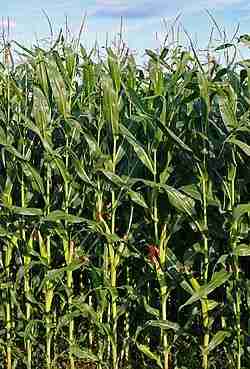
The Journey from Cob to Kernel: Understanding the Maize Milling Process
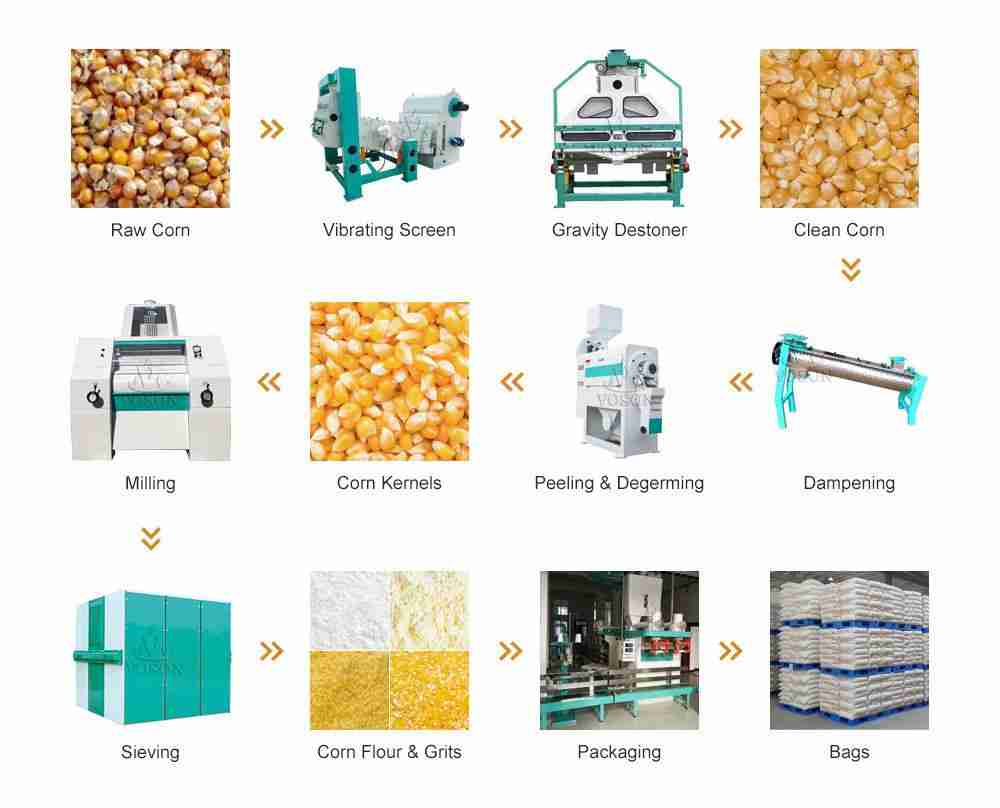
Maize milling is a fascinating blend of traditional artistry and modern engineering, transforming whole cobs into finely milled flour. The process begins with selecting the right corn variety, as this can greatly influence the quality of the final product. Following selection, the journey unfolds with cleaning and conditioning the maize to ensure any foreign material is removed, and moisture levels are adjusted for optimal milling efficiency. The next phase involves grinding, where the maize is crushed between large rollers, producing a coarse meal that undergoes further refinement. By separating the germ, bran, and endosperm, millers meticulously extract the desired components to cater to diverse culinary needs.
The heart of milling lies in its complex machinery, which combines mechanical prowess with technology. Key elements include hammer mills, sifters, and air classifiers. Each of these components works harmoniously to achieve the perfect grain size. The table below illustrates the essential stages in maize milling and their corresponding functions:
| Stage | Function |
|---|---|
| Cleaning | Removal of impurities and foreign materials |
| Conditioning | Adjusting moisture for optimal milling |
| Grinding | Crushing maize into coarse meal |
| Separation | Extracting germ, bran, and endosperm |
Through this meticulous process, maize is not merely transformed but elevated into a versatile ingredient suitable for various cuisines, highlighting the interplay of science and tradition in milling. The attributes of the final maize products—be it cornmeal, grits, or flour—are a testament to this transformation, offering texture and flavor that define countless dishes across the globe.
Innovative Techniques in Maize Milling: Balancing Tradition with Technology
As the demand for cleaner and more efficient milling processes grows, the integration of technology into traditional maize milling practices presents a fascinating paradigm shift. The evolution of digital monitoring systems and automated machinery has enabled millers to achieve unprecedented consistency and quality in their products. Modern mills are increasingly using advanced analytics and machine learning to optimize workflows, predict maintenance needs, and minimize waste. This synergy of tradition and innovation allows millers to preserve cultural techniques while enhancing productivity and sustainability. Essential components of this transition include:
- Precision milling techniques - utilizing technologically advanced equipment that reduces breakage and maximizes yield.
- Energy-efficient systems - employing renewable energy sources and optimizing energy consumption to lower operational costs.
- Quality control integration – implementing sensors that monitor moisture levels and grain quality in real-time.
To further illustrate this balance, consider how the introduction of biomimetic design has inspired new milling machinery that mimics natural processes. For example, some milling units are crafted to duplicate the way traditional stone grinding occurs, achieving a finer texture without the excessive heat that can degrade nutrients. These innovations not only ensure a sustainable approach to milling but also enhance the flavor profile of the final product. Below is a comparison table of traditional versus modern milling techniques:
| Aspect | Traditional Milling | Modern Milling |
|---|---|---|
| Energy Usage | High | Optimized/Low |
| Quality Control | Manual | Automated |
| Byproduct Management | Wasteful | Recyclable |

Nutritional Benefits of Milled Corn: Enhancing Human Health and Culinary Versatility
Milled corn is a treasure trove of nutritional benefits, making it an essential staple in diets around the world. Packed with complex carbohydrates, it serves as an excellent energy source suitable for individuals with high energy demands. Moreover, its high dietary fiber content aids in digestion and promotes satiety, essential for maintaining a healthy weight. Milled corn also offers a variety of essential vitamins and minerals, including:
- B Vitamins (particularly B1, B3, and B5) that help convert food into energy
- Vitamin C, acting as an antioxidant
- Minerals like magnesium, phosphorus, and iron that support various bodily functions
- Antioxidants such as lutein and zeaxanthin, aiding eye health
This nutritious grain is not only healthy but also incredibly versatile in culinary applications, serving as a base for dishes across different cuisines. From the creation of polenta to tortillas, grits, and masa harina, milled corn adapts seamlessly to various culinary styles. Its ability to absorb flavors while adding a subtle nuttiness enhances both savory and sweet dishes. Moreover, embracing milled corn can contribute to dietary diversity by offering gluten-free alternatives in baked goods and snacks. The table below highlights common forms of milled corn and their typical uses:
| Type of Milled Corn | Common Uses |
|---|---|
| Cornmeal | Pancakes, bread, and cornbread |
| Grits | Breakfast dishes, casseroles |
| Masa Harina | Tortillas, tamales |
| Polenta | Side dishes, appetizers |
Sustainable Practices in Corn Processing: A Pathway to Eco-Friendly Milling Solutions
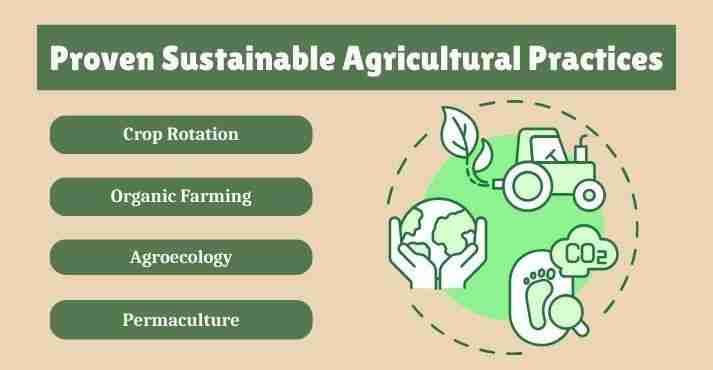
In the evolving landscape of agriculture and food processing, corn milling stands at the forefront of sustainable innovation. By adopting eco-friendly practices, the industry not only enhances efficiency but also reduces environmental impact. Key methods include:
- Water Conservation: Implementing closed-loop systems to recycle water, minimizing wastage, and ensuring responsible usage.
- Energy Efficiency: Utilizing renewable energy sources, such as solar or wind, to power milling operations, thereby lowering greenhouse gas emissions.
- Waste Management: Transforming by-products into biofuels or animal feed, closing the loop and reducing landfill dependency.
Moreover, transparency in sourcing is critical for sustainable corn processing. Collaborating with local farmers and promoting organic farming practices can significantly enhance the sustainability credentials of milling operations. The table below illustrates some of the tangible benefits of sustainable sourcing:
| Benefit | Description |
|---|---|
| Local Economic Support | Strengthens the local economy by creating jobs and boosting local businesses. |
| Quality Assurance | Enhances product quality through fresher and more nutrient-dense corn. |
| Biodiversity Preservation | Encourages diverse crop rotations and mitigates the risks of monoculture farming. |
Final Thoughts
As we conclude our exploration of “Transforming Corn: The Art and Science of Maize Milling,” we are reminded of the intricate dance between tradition and technology that this process encapsulates. From the golden fields where maize thrives to the bustling milling facilities where grains are transformed into a plethora of products, every step reflects a rich heritage interwoven with innovation.
The journey of maize from cob to culinary delight is not merely a feat of engineering; it is a testament to human ingenuity and an appreciation for the versatile grain that has nourished civilizations for centuries. As we continue to refine our milling techniques and explore new applications for maize, we embrace the potential for this humble crop to adapt and thrive in our ever-evolving world.
In understanding the art and science behind maize milling, we not only gain insight into a critical food production process but also appreciate the broader implications for sustainability, food security, and the global economy. Let us celebrate the transformation of corn, recognizing that each kernel is a story waiting to be told—one that links our past to our future in an endless cycle of creativity and progress.



