
In the quiet hum of agricultural landscapes, grains lie in waiting, poised for transformation. Among them, rice stands as a staple that nourishes billions around the globe. Yet, before it graces our plates, this versatile grain undergoes a remarkable journey through the intricate processes of milling. Inside the rice milling unit, a delicate interplay of technology and tradition unfolds, shaping paddy into the polished grains we recognize. This article takes you behind the scenes to explore the multifaceted stages of rice milling—unveiling the art and science that breathe life into every kernel, and the sustainable practices that ensure this essential food source continues to support diverse diets across cultures. Join us as we delve into the world of rice milling, where each step is a testament to innovation and a tribute to the humble grain that has sustained humanity for centuries.
Understanding the Rice Milling Process from Field to Table
The rice milling process is a meticulous journey that begins in the lush green fields and culminates on our dining tables. Once harvested, the raw rice undergoes several crucial stages to ensure it reaches consumers in its best form. The process begins with careful cleaning to remove impurities like stones, dirt, and husks. Then, the rice is subjected to hulling, where the outer husk is removed by machines, leaving behind the edible brown rice. Following hulling, the brown rice enters the milling phase, where it’s polished and white rice is produced. This stage often includes the use of different machines in the milling unit, such as the sheller, whitener, and grader, which work in harmony to achieve the desired rice quality.
Once the rice is milled, it moves into the grading and packaging stages, where it is sorted based on size and quality. This ensures that only the best grains are selected for distribution. Grading also helps in identifying broken grains and separating them to maintain overall quality. The modern rice milling units often implement advanced technology for efficiency, employing the use of sensors and automated systems to enhance precision throughout the milling process. Below is a simple overview of the stages involved in transforming rough rice into the polished grains that many enjoy daily:
| Stage | Process Description |
|---|---|
| Cleaning | Removal of impurities and unwanted materials. |
| Hulling | Removal of the outer husk from the rice grains. |
| Milling | Polishing brown rice to produce white rice. |
| Grading | Sorting the rice based on quality and size. |
| Packaging | Final stage for distribution to consumers. |
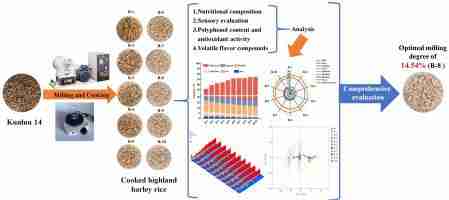
Essential Technologies and Equipment for Efficient Rice Milling
To achieve optimal efficiency in rice milling, a well-curated selection of technologies and equipment is indispensable. First and foremost is the paddy cleaner, which serves to eliminate impurities such as stones, dust, and other foreign materials from the rice. Following this, the use of a de-husker plays a crucial role in the milling process, where the husk is separated from the grains. Advanced units may incorporate rubber roll huskers for a gentler and more effective hulling process. Next, the rice whitener polishes the grains, enhancing both their appearance and storage life by removing the bran layer, while a length grader sorts the rice by size, ensuring a consistent product for consumers. Together, these initial technologies set the foundation for a successful milling operation.
The final stages of milling are equally critical, requiring complementary equipment to ensure high-quality yield. A polisher refines the surface of the rice, adding a brilliant sheen that appeals to buyers. Meanwhile, sifters and graders are vital for classifying rice into different grades, enabling efficient packing and distribution. For storage and logistics, bulk silos and packaging machines ensure that the rice remains fresh and secure until it reaches consumers. The integration of these technologies not only streamlines the rice milling unit process but also significantly enhances productivity and profitability. Below is a simplified table summarizing the key technologies:
| Equipment | Function |
|---|---|
| Paddy Cleaner | Removes impurities from paddy |
| De-husker | Separates husk from grain |
| Rice Whitener | Polishes grains for better appearance |
| Length Grader | Sorts rice by size |
| Polisher | Refines surface for enhanced quality |
| Sifters | Classifies rice into different grades |
| Bulk Silos | Stores rice securely |

Quality Control Measures in Rice Milling: Ensuring a Superior Product
In the world of rice milling, the importance of maintaining high quality standards cannot be overstated. Several quality control measures are essential to ensure that every grain meets the expectations of both producers and consumers. These measures commence right at the beginning of the process with the selection of raw rice. Each batch undergoes meticulous inspection to assess characteristics such as moisture content, kernel integrity, and the presence of impurities. Some of the crucial techniques employed include:
- Visual Inspection: Grains are examined for visual defects, such as discoloration or broken kernels.
- Moisture Measurement: Advanced moisture meters are used to determine the ideal moisture level for milling.
- Sample Testing: Regular sample testing is performed to analyze the chemical composition of the rice.
Once milling begins, continuous monitoring is key to achieving superior quality. This stage includes precise calibration of the milling machinery and ensures uniformity in grain size and texture. Automated systems are often in place to facilitate real-time adjustments, which can enhance the overall consistency of the final product. Among the implemented processes are:
- Grading and Sorting: Rice is sorted mechanically to separate high-quality grains from substandard ones.
- Polishing Tests: Each batch is evaluated for optimal polishing to enhance appearance without compromising nutrition.
- Packaging Inspection: Final products undergo a stringent inspection method to guarantee that packaging meets safety and quality standards.
Sustainable Practices in Rice Milling: Innovations for the Future
As rice production continues to expand in response to global demand, the push for sustainable practices in rice milling has become increasingly vital. Innovations such as water-efficient milling technologies are now at the forefront, utilizing minimal water during the cleaning and husking processes. Additionally, the integration of renewable energy sources, like solar power, is transforming traditional rice mills into greener facilities, drastically reducing carbon emissions and reliance on fossil fuels. These advancements not only contribute to the preservation of our environment but also enhance the economic viability of rice milling operations.
Moreover, the adoption of waste valorization techniques is gaining traction in modern rice milling units. By-products such as rice husks and bran can be converted into valuable resources, generating additional revenue streams and minimizing waste. For example, rice husk can be transformed into biochar, which not only enriches the soil but also helps in carbon sequestration. Additionally, leveraging digital technologies, such as IoT devices for monitoring energy and water usage, allows mill operators to optimize efficiency and reduce their environmental footprint. The continuous evolution of these sustainable practices in rice milling heralds a promising future for both producers and consumers alike.
| Innovation | Description | Benefits |
|---|---|---|
| Water-efficient Technologies | Minimizes water usage in milling | Reduces water waste |
| Renewable Energy Sources | Implementation of solar and wind energy | Lowers carbon footprint |
| Waste Valorization | Utilization of by-products for additional revenue | Minimizes waste |
| Digital Technologies | IoT for monitoring and optimization | Improves operational efficiency |
Wrapping Up
As we wrap up our exploration of the intricate world of rice milling, we find ourselves at the intersection of tradition and innovation. The process of transforming grains into one of the world’s most vital staples is not merely a mechanical endeavor; it is a testament to human ingenuity and the relentless pursuit of improvement. From the careful selection of paddy to the meticulous steps of removing hulls and polishing grains, every phase in the rice milling journey plays a crucial role in delivering the final product we so often take for granted.
Understanding this process not only deepens our appreciation for rice but also highlights the importance of efficient milling practices in addressing food security and sustainability. As technology continues to evolve, so too will the methods we use to transform grains, ensuring that the future of rice milling is as promising as the legacy it carries. Whether you are a consumer, a farmer, or an industry professional, the insights gained from this process underscore our collective responsibility in valuing and preserving the resources that feed our communities. So, as you savor your next bowl of rice, remember that it carries with it a story of transformation, resilience, and hope—a narrative woven into the very fabric of our global culture.



