
In a world where innovation meets tradition, the humble grain stands as a testament to human ingenuity and agricultural prowess. As global demands for food security and sustainability grow, so does the need for more efficient methods of grain processing. Enter the mini rice milling machine—a compact marvel that promises to revolutionize the way we approach rice production. This article delves into the intricate workings, advantages, and transformative potential of these ingenious machines. From small-scale farmers to bustling urban markets, we’ll explore how the mini rice milling machine is not just a tool, but a catalyst for change in the grain industry. Join us as we unpack the story behind this remarkable technology and its role in shaping the future of food.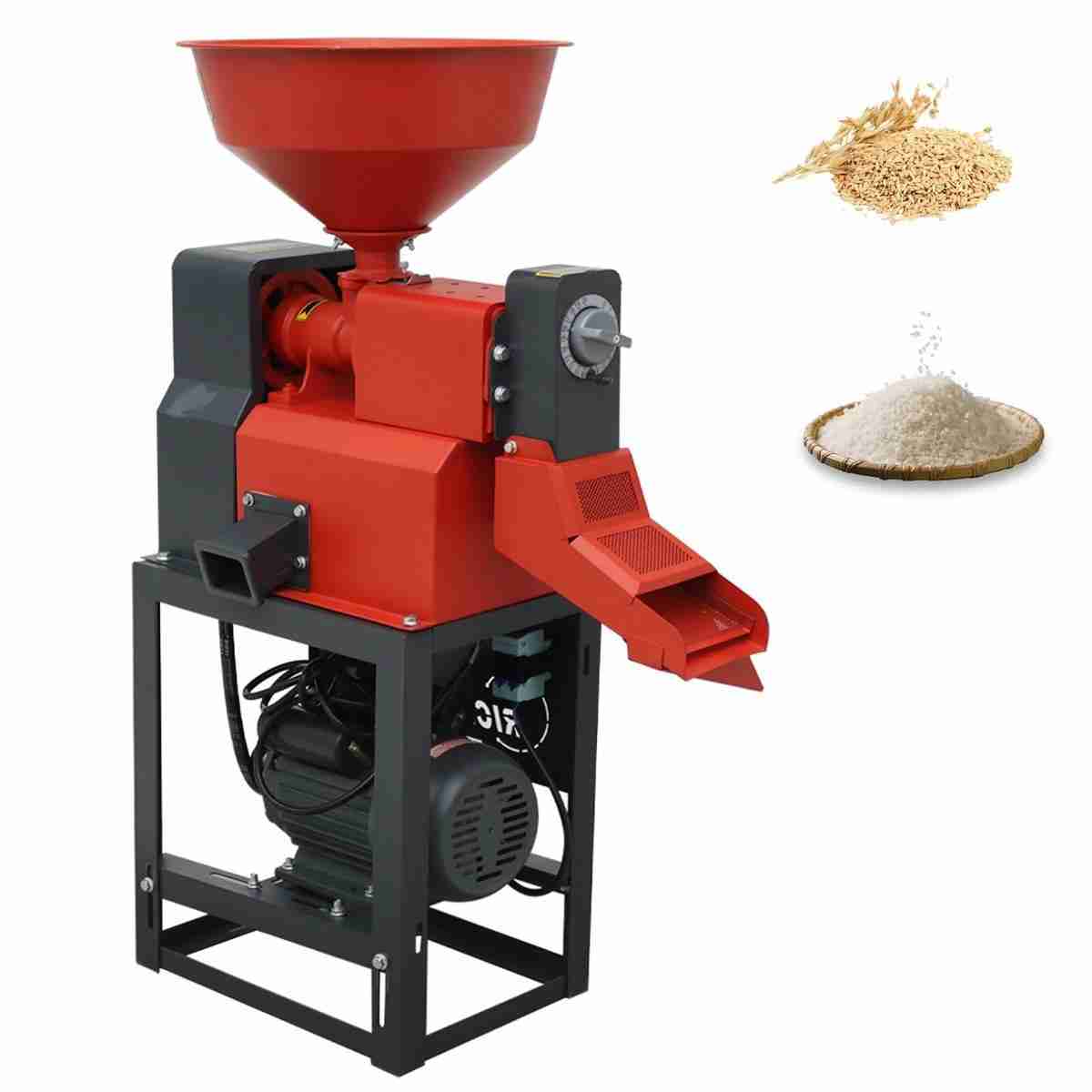
Understanding the Functionality of Mini Rice Milling Machines
Mini rice milling machines offer advanced technology tailored to meet the needs of small to medium-scale rice producers. These compact machines are designed to efficiently process paddy into market-ready rice, enabling farmers to add value to their harvests. The functionality is straightforward yet powerful, incorporating several essential stages that maximize output and quality.
- Hulling: The outer husk is removed, allowing access to the edible rice kernel.
- Polishing: The rice is polished to enhance its appearance and remove any remaining bran.
- Sorting: Various grading mechanisms ensure that only the best quality rice is selected for packaging.
Additionally, these machines come equipped with user-friendly interfaces and are often powered by either electricity or diesel, making them suitable for diverse operational contexts. The integration of features like mini dust collectors and built-in separators significantly enhances their efficiency, ensuring minimal waste. The portability of these units makes them particularly advantageous for smallholder farmers, allowing them to process rice directly at their farms, reducing transportation costs and time.
| Aspect | Advantage |
|---|---|
| Size | Compact design for easy mobility |
| Processing Speed | Faster milling for immediate results |
| Energy Source | Compatible with both electricity and diesel |
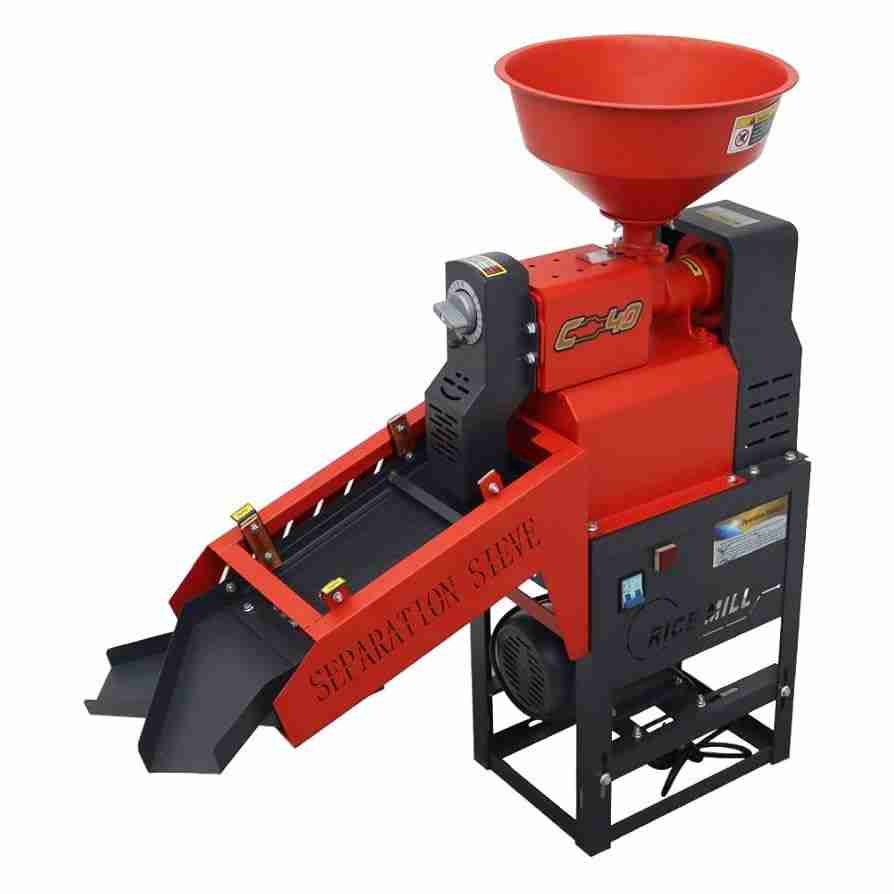
Benefits of Mini Rice Milling for Small Scale Farmers
For small-scale farmers, the introduction of mini rice milling machines has revolutionized the way they process their harvests. These compact devices not only enhance operational efficiency but also empower farmers to take control of their produce. With the ability to mill rice on-site, farmers can ensure fresher and higher quality grains, reducing spoilage during transport and storage. Additionally, mini milling machines are cost-effective, making them accessible to many, enabling farmers to increase their profit margins through value addition.
Another significant advantage is the capacity for versatile processing. Mini rice mills can be designed to handle various rice varieties and can often be adjusted to achieve specific milling requirements. This flexibility allows farmers to cater to different market demands, ultimately leading to improved sales and customer satisfaction. Furthermore, these machines typically require less energy and fewer resources, which means lower operational costs. As a result, small scale farmers can tap into new markets and expand their business opportunities without overwhelming initial investments.
Key Features to Consider When Choosing a mini rice mill
When selecting a mini rice mill, it’s essential to evaluate several key features to ensure optimal performance and efficiency. Capacity is one of the primary factors; a mill with a suitable output rate can significantly influence your productivity. Consider the milling method as well, whether it’s traditional or modern; each has its own impact on grain quality and processing time. Furthermore, energy consumption is crucial, especially if you aim to run the mill for extended periods. Opting for a machine that balances power and efficiency can lead to lower operational costs.
Additionally, take into account durability and maintenance requirements. A robust design with quality materials will ensure longevity and minimize breakdowns, saving you time and money. Features like adjustable settings for rice variety and texture can also enhance versatility, catering to different production needs. Lastly, don’t overlook the availability of after-sales support and ease of access to replacement parts, as these factors can greatly affect your overall satisfaction and operational continuity.
| Feature | Importance |
|---|---|
| Capacity | Determines output efficiency |
| Energy Consumption | Affects cost and sustainability |
| Durability | Impacts maintenance costs |
| Versatility | Adjusts to different rice types |
| Support & Parts | Ensures operational continuity |
Maximizing Efficiency: Best Practices for Operating Mini Rice Milling Machines
To achieve the best results when utilizing mini rice milling machines, it’s essential to follow a set of best practices that enhance efficiency and quality. Start with regular maintenance to ensure the machine operates smoothly; this includes cleaning the machine after each use, inspecting and replacing worn parts, and lubricating moving components. Proper calibration of the milling settings according to the rice type can significantly improve output quality. Additionally, consider conducting periodic performance assessments to identify any potential issues early, enabling timely adjustments and repairs.
Another key to maximizing efficiency lies in the operational workflow. Streamline the supply chain by ensuring that rice is pre-cleaned and dried to the appropriate moisture level, which minimizes wear on the machine and maximizes yield. Utilizing a batch processing approach can also lead to more consistent results, as it allows you to monitor and optimize each batch effectively. Lastly, invest in proper storage solutions to maintain the quality of processed rice, keeping it free from pests and moisture, which preserves both flavor and nutritional value.
| Practice | Description | Benefits |
|---|---|---|
| Regular Maintenance | Routine cleaning and part inspections. | Extended machine life and better performance. |
| Calibration | Adjust settings based on rice type. | Improved output quality and efficiency. |
| Batch Processing | Process rice in small, controlled batches. | Consistent results and easier quality control. |
| Proper Storage | Use airtight containers away from moisture. | Maintains quality and prevents spoilage. |
Future Outlook
As we draw this exploration of mini rice milling machines to a close, it becomes clear that these compact marvels of technology are not just tools, but enablers of efficiency in the agriculture sector. By simplifying the rice milling process, they empower smallholder farmers and local entrepreneurs to elevate their production and meet the demands of increasingly discerning markets.
In a world where sustainability and resource efficiency have become paramount, these machines stand at the forefront of innovation, bridging the gap between traditional practices and modern efficiencies. The mini rice milling machine symbolizes a shift toward smarter, more sustainable agricultural practices, encouraging a closer connection between food production and community well-being.
As we embrace these advancements, we invite you to reflect on the role of technology in shaping the future of food. The journey of rice—from field to table—has never been more efficient, and with ongoing innovations, the horizon looks promising. Join us as we continue to explore the tools and technologies that nourish our planet, one grain at a time.



