
Transforming Grains: A Comprehensive Guide to 2 Ton Rice Mill Projects
In the heart of agriculture lies one of mankind’s most essential commodities: rice. Nourishing billions around the globe, this staple food serves as a backbone for various cuisines, cultures, and economies. Yet, the journey from paddy fields to polished grains is anything but simple. Enter the 2-ton rice mill — a transformative enterprise capable of bridging the gap between raw production and market-ready product. This article aims to unravel the complexity of starting a 2-ton rice mill project, offering a detailed roadmap that encompasses everything from machinery selection and efficient processing techniques to business planning and market dynamics. Whether you are an aspiring entrepreneur or an established farmer seeking to enhance processing capabilities, our comprehensive guide will equip you with the knowledge and insights needed to turn your vision into a successful venture. Join us as we explore the intricacies of this essential industry, unlocking the potential for growth, sustainability, and innovation in the world of grain transformation.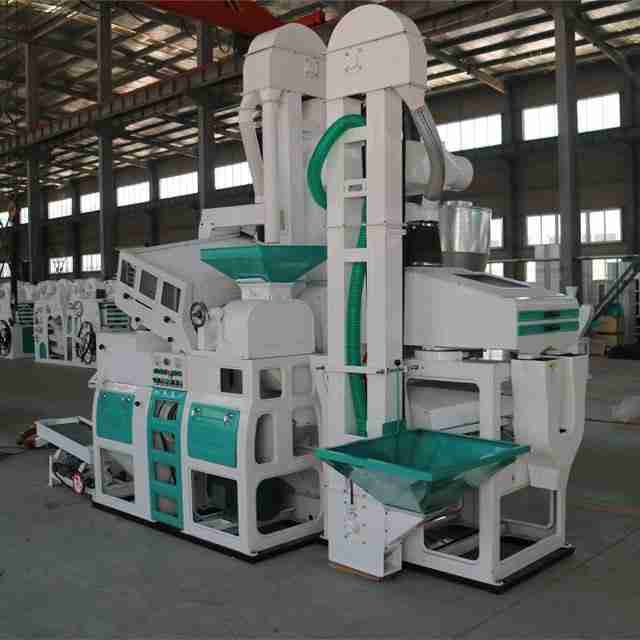
Understanding the 2 Ton Rice Mill: Key Features and Technologies
When considering a 2 ton rice mill, several key features and technologies come into play that enhance both efficiency and productivity. One of the standout aspects is the customizable milling capacity, which allows operators to adjust the output as needed, making it ideal for both small-scale enterprises and larger operations. Moreover, advancements in automation technology streamline the milling process, reducing manual labor while optimizing consistency in grain quality. Here are some essential features to examine:
- Multi-functional milling capability: Processes different rice varieties swiftly.
- High-efficiency husking and polishing units: Ensure minimal loss and high quality.
- User-friendly control panel: Simplifies operation and monitoring.
- Noise reduction technologies: Provide a quieter working environment.
The technological innovations embedded in modern rice mills also significantly contribute to operational sustainability. Many 2 ton rice mills are designed with energy-efficient motors that reduce electricity consumption while maintaining high performance. Furthermore, features such as dust extraction systems improve the working conditions by minimizing airborne particulates during milling. The integration of IoT and smart technology allows for real-time data collection, enabling millers to make informed decisions based on analytics. A simple overview of these technological components is presented in the table below:
| Feature | Benefit |
|---|---|
| Energy-efficient Motors | Reduced operational costs |
| Dust Extraction Systems | Healthier work environment |
| Real-time Data Collection | Informed decision-making |

Designing for Success: Essential Layout and Infrastructure Considerations
When embarking on a 2-ton rice mill project, the layout and infrastructure play a pivotal role in ensuring smooth operations. A well-planned design not only maximizes efficiency but also enhances safety and workflow. Key considerations include:
- Space Allocation: Ensure ample space for machinery, materials, and personnel to avoid congestion.
- Workflow Efficiency: Design workflow paths that minimize travel time and maximize productivity, allowing rice to seamlessly move from milling to storage.
- Compatibility of Equipment: Match equipment needs with available space and ensure that all components work in harmony.
Additionally, the infrastructure supporting your rice mill is crucial to long-term success. Proper utilities, such as water supply for cleaning processes, and adequate power sources for machinery, must be evaluated. Consider the following elements:
| Infrastructure Element | Considerations |
|---|---|
| Electrical Wiring | Ensure sufficient capacity to handle machinery load and reduce downtime. |
| Ventilation & Airflow | Maintain optimal conditions for equipment and prevent dust accumulation. |
| Storage Facilities | Plan for on-site storage to maintain the freshness of raw materials and finished products. |
Maximizing Efficiency: Best Practices for Operation and Maintenance
To achieve optimal performance in a 2-ton rice mill, efficiency in operation and maintenance is crucial. Implementing a comprehensive maintenance schedule can significantly reduce downtime and enhance productivity. Regular inspections of mechanical components, such as conveyors, hulling machines, and polishing units, help identify wear and tear early. Additionally, ensuring the proper alignment of machinery can minimize energy consumption and prevent unnecessary strain. Some best practices include:
- Scheduled maintenance tasks: Keep a detailed calendar to track maintenance activities.
- Training personnel: Educate staff on proper operating techniques and safety protocols.
- Monitoring performance metrics: Use KPIs to assess machine efficiency and product output.
Another significant aspect of maximizing efficiency is through waste minimization and resource management. Implementing a recycling system for byproducts, such as husk and bran, can contribute to sustainability while generating additional revenue streams. Moreover, employing advanced technologies like automated monitoring systems can enhance operational oversight and facilitate real-time adjustments. Consider the following strategies to foster continuous improvement:
- Invest in energy-efficient machinery: Opt for machines that require less power while maintaining full capacity.
- Develop a waste management plan: Assess and enhance processes to minimize excess waste generated during milling.
- Utilize data analytics: Analyze historical data to predict downtime and schedule preventive maintenance more effectively.
| Strategy | Description | Benefit |
|---|---|---|
| Regular Maintenance | Systematic checks on machinery | Reduces unexpected breakdowns |
| Staff Training | Educating operators on equipment use | Improves operational safety |
| Energy Efficiency | Using machines that conserve power | Cuts operational costs |
Financial Insights: Budgeting and Funding Options for Your Rice Mill Project
Successfully launching a rice mill project requires meticulous planning and financial acumen. A well-structured budget is essential to cover not only the initial setup costs but also ongoing operational expenses. Start by identifying critical expenses such as machinery procurement, land acquisition, and raw material sourcing. Each of these components contributes to the overall cost structure. Additionally, it is prudent to include a contingency fund of about 10-15% to cater to unforeseen expenses. Consider these elements when formulating a budget:
- Equipment costs: Explore prices for modern milling machines.
- Facility expenses: Square footage rental or purchase costs.
- Operating capital: Funds needed for the first few months of operation.
Funding options for your venture can vary significantly depending on your circumstances and business model. Evaluate different sources to find the best fit for your rice mill project. You may want to consider:
- Bank loans: Traditional financing with specific terms and interest rates.
- Microfinance institutions: Ideal for smaller projects needing quick funding.
- Government grants: Often available for agricultural and rural development initiatives.
| Funding Source | Pros | Cons |
|---|---|---|
| Bank Loans | Lower interest rates, structured repayments | Strict eligibility criteria |
| Microfinance | Faster approval, lower collateral | Higher interest rates |
| Government Grants | No repayment required, boosts credibility | Competitive application process |
Key Takeaways
embarking on a 2-ton rice mill project represents a significant opportunity to harness the potential of grain transformation in today’s agricultural landscape. As we’ve explored throughout this guide, careful planning, innovative technology, and a solid understanding of market dynamics are essential components for success. Whether you’re a seasoned entrepreneur or a newcomer to the field, the journey from raw grain to finished product promises not just the satisfaction of yielding quality goods but also the chance to make a lasting impact on local economies and communities.
By implementing the strategies and insights provided, you can navigate the complexities of setting up and operating a rice mill with confidence. Ensure that your venture aligns with sustainable practices and meets the evolving demands of consumers, ultimately leading to both profitability and environmental stewardship. As you take your first steps towards this transformative project, remember that each grain holds the potential for greater possibilities—both for you and for the countless lives that depend on this staple food source.
Thank you for joining us on this exploration of the rice milling landscape. We wish you success in your endeavors as you turn grains into opportunity.



