
Introduction:
Corn—a staple of the American landscape, symbolizing abundance and vitality—holds more secrets than one might imagine. Beyond its unmistakable presence in fields stretching to the horizon, this versatile crop has woven itself into the fabric of global agriculture, industry, and cuisine. From the sweet cornstalks enjoyed on summer barbecues to the myriad byproducts fueling our ecosystems and economies, corn processing reveals an intricate tapestry of transformation. In this article, we delve into the multifaceted journey of corn, exploring the innovative methods and technologies that unlock its potential, and examine how this humble grain continues to reshape our understanding of food production, sustainability, and economic development. Join us as we uncover the hidden narratives of corn processing and the impact it has on our lives, ensuring that this crop remains not just a source of sustenance, but a key player in the future of agriculture.
Harvesting Nutritional Potential: The Role of Corn in Diverse Diets
Corn is a remarkable crop that has transcended its role as a staple of agrarian economies to become a cornerstone of nutritious diets across the globe. Its versatility is evident in how various cultures leverage it to meet diverse dietary needs. Rich in carbohydrates, corn provides a quick energy source, making it a favored ingredient in countless recipes. In addition to energy, it is also a source of essential nutrients, such as fiber, vitamins B and C, magnesium, and antioxidants. This combination not only supports digestive health but also bolsters the immune system, illustrating corn’s capacity to enrich dietary profiles.
Beyond its nutritional bounty, corn’s adaptability allows it to be processed into an array of products, widening its culinary applications. Observed in an extensive range of dishes, corn can be transformed into polenta, tortillas, and popcorn, allowing it to cater to various dietary preferences. Furthermore, the introduction of corn-based sweeteners and oils has revolutionized food manufacturing, making it a ubiquitous ingredient in modern diets. To demonstrate its remarkable adaptability, the following table highlights a selection of corn products and their traditional uses:
| Product | Traditional Use |
|---|---|
| Cornmeal | Baking breads and muffins |
| Tortillas | Base for tacos and enchiladas |
| Popcorn | Snacking and entertainment |
| Maize syrup | Sweetener in beverages and desserts |

Innovative Techniques in Corn Milling: Enhancing Quality and Efficiency
Advancements in corn milling technology are paving the way for increased quality and efficiency in the processing industry. Modern mills are integrating precision grinding techniques that are not only faster but also yield a more refined product. Among the techniques, air classification stands out, separating corn particles based on size and density, ensuring that only the finest kernels are processed. Furthermore, the introduction of automated systems equipped with AI is revolutionizing the quality control process, allowing real-time monitoring that minimizes waste and optimizes resource allocation.
The marriage of sustainable practices with innovative milling techniques has significant implications for both quality and environmental impact. Techniques such as dry milling and wet milling are being enhanced with eco-friendly methods that reduce energy consumption and water usage. Additionally, the use of enzymatic treatments before milling increases the extraction of valuable components such as starch and protein, resulting in a higher yield and better product quality. The integration of these methods contributes to a more sustainable corn processing operation that meets the evolving demands of both consumers and regulatory bodies.

Sustainable Practices in Corn Production: Balancing Demand and Environmental Responsibility
As the global demand for corn surges, agricultural practices must evolve to embrace sustainability without compromising productivity. Farmers are increasingly turning to techniques that harmonize crop yield with environmental conservation. Among these, crop rotation offers a robust solution by enhancing soil health, reducing pest outbreaks, and minimizing reliance on chemical fertilizers. By alternating corn with legumes or other crops, the nitrogen fixation in the soil is improved, leading to less chemical input while maintaining high yields. Additionally, incorporating cover crops into the system can protect against soil erosion and improve water retention, creating a more resilient agricultural ecosystem.
Moreover, precision agriculture technologies play a crucial role in achieving sustainable corn production. By utilizing aerial imagery and data analytics, farmers can monitor crop health and soil conditions, allowing for targeted application of water and nutrients. This not only conserves resources but also reduces the environmental footprint of farming activities. The adoption of no-till farming practices further contributes to sustainability by maintaining soil structure, enhancing carbon sequestration, and minimizing land disturbance. With these innovative methods, growers can satisfy the demands of a growing population while ensuring the longevity of our natural resources.
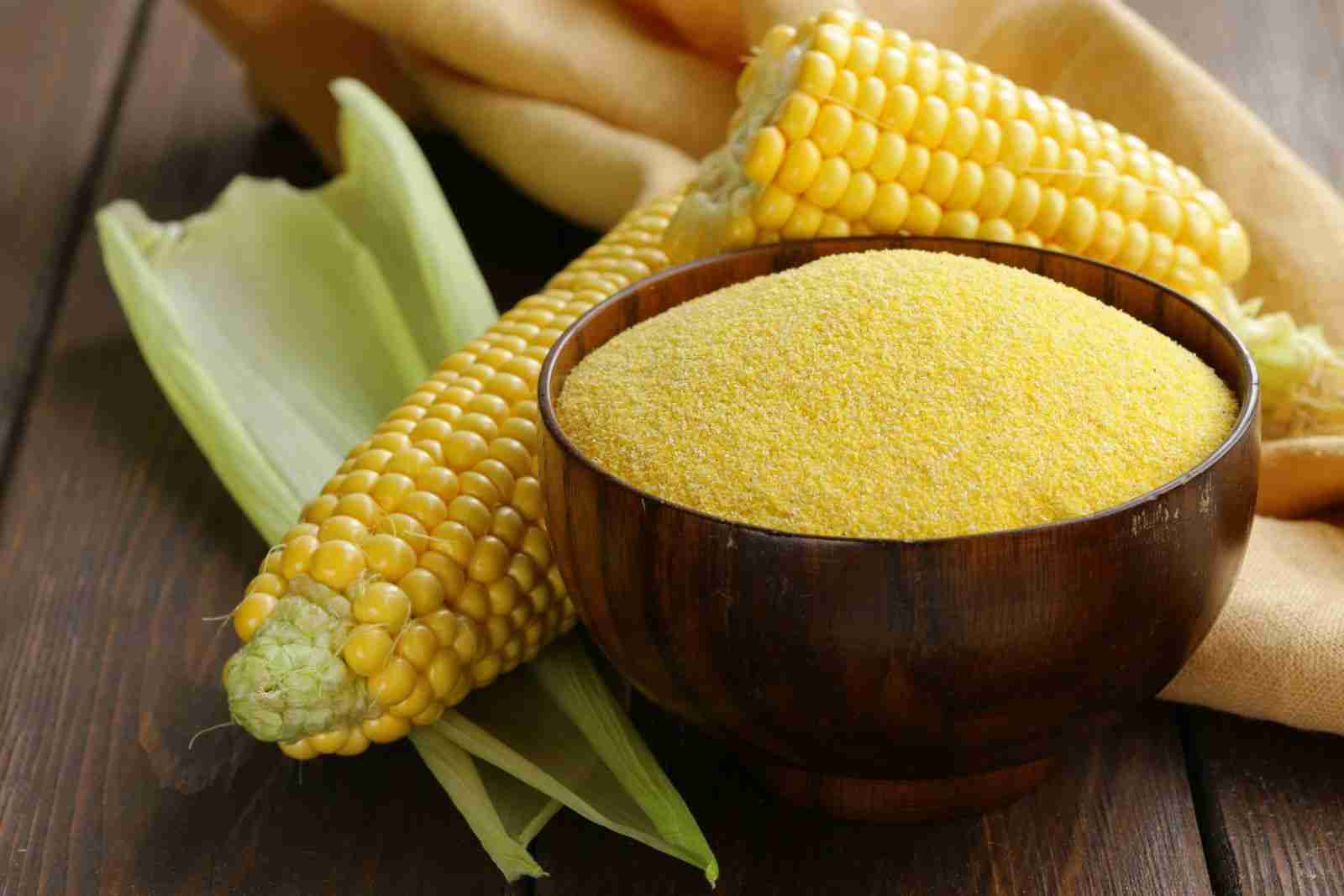
Exploring the Future of Corn Products: Trends and Opportunities in a Global Market
The expansion of the corn product market is poised to redefine the landscape of agricultural commodities. As global populations continue to surge and consumer preferences shift towards sustainability and health-conscious choices, opportunities abound in various sectors linked to corn. Key trends to watch include:
- Plant-Based Innovations: The rise of vegetarian and vegan diets is driving demand for corn-derived meat alternatives, making it a pivotal player in the protein market.
- Biofuels Revolution: With the push for renewable energy, corn is at the forefront of biofuel production, particularly in the form of ethanol, spurring interest in sustainable farming practices.
- Functional Food Ingredients: Corn’s versatility as a source of resistant starch and soluble fibers is gaining traction in the processed food sector, aiming to enhance health benefits.
Moreover, technological advancements in corn processing are opening doors to novel applications and increased efficiency. Innovations such as precision agriculture and biotechnology are set to enhance yield and resilience, transforming how corn is cultivated and utilized. The global market is also experiencing a surge in demand for non-GMO and organic corn products, highlighting an increasing consumer inclination towards transparency in sourcing and health-oriented options. The following table summarizes some of the primary corn products and their emerging applications:
| Corn Product | Emerging Applications |
|---|---|
| Corn Starch | Thickening agents, biodegradable plastics |
| Corn Oil | Healthier cooking oil, cosmetic ingredients |
| High Fructose Corn Syrup | Sweetener alternative, food preservation |
| Corn Gluten Meal | Animal feed, organic weed control |
To Conclude
As we draw the curtain on our exploration of corn processing, it becomes evident that this humble crop is far more than a staple of agriculture. It embodies a complex tapestry of science, innovation, and adaptability that has shaped our food systems and industries for centuries. From the golden fields swaying in the breeze to the bustling factories where kernels transform into an array of products, corn stands as a testament to human ingenuity.
The multifaceted uses of corn remind us that even the most unassuming elements of our planet can spur revolutionary ideas and solutions. Whether it’s the biofuel that powers our vehicles, the sweeteners that enhance our culinary experiences, or the countless biodegradable materials that herald a greener future, corn processing is a pivotal chapter in our ongoing journey towards sustainability and creativity.
As we continue to unlock the secrets of this versatile crop, let us appreciate not only the wide-ranging applications of corn but also the communities and ecosystems that depend on its cultivation and processing. In every grain lies potential, and in every process, a story—a narrative that invites us to consider the profound connections between agriculture, innovation, and our world at large. So, the next time you encounter corn in your daily life, remember that it is not just food; it is a key ingredient in the recipe for a sustainable future, waiting to be discovered.



