
From Farm to Factory: The Art of Corn Processing
In the heart of America’s vast agricultural landscape, the humble ear of corn stands as a testament to centuries of cultivation and innovation. From the golden fields where it sways in the summer breeze to the bustling factories where it undergoes meticulous transformation, corn represents more than just a staple food; it embodies the intricate relationship between nature and industry. This journey, often overlooked in our fast-paced world, reveals a captivating process that harmonizes age-old farming traditions with modern manufacturing techniques. Join us as we explore the art of corn processing, tracing its path from the farm to the factory—unveiling the science, craftsmanship, and ingenuity that turn a simple crop into a myriad of products essential to our daily lives. Discover how this remarkable grain not only nourishes millions but also fuels countless industries, weaving itself into the very fabric of our economy and culture.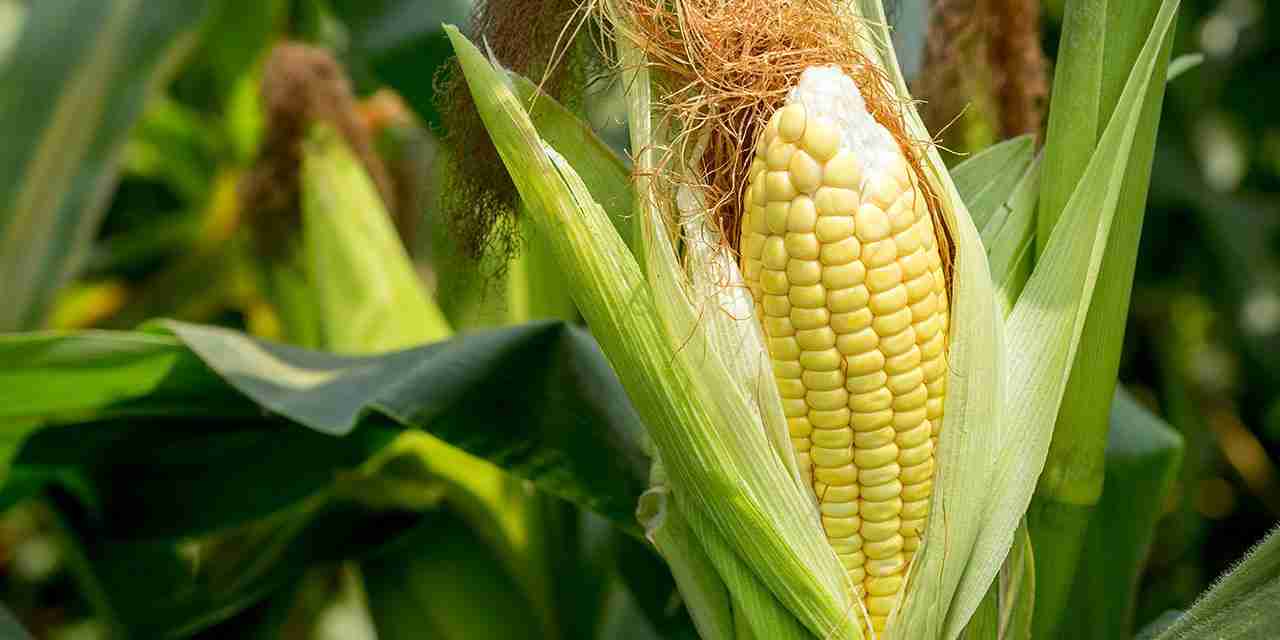
Understanding the Journey of Corn: From Field to Product
Corn, often hailed as a staple in agriculture, undergoes a fascinating transformation that begins the moment it is harvested. The journey commences in expansive fields, where farmers carefully cultivate various corn varieties. These can include sweet corn, field corn, and popcorn, each destined for unique applications. Once ripe, the corn is harvested using advanced machinery that minimizes waste and maximizes efficiency. After being collected, the corn enters a series of stages designed to preserve its quality and enhance its potential as a raw material.
Once the corn reaches processing facilities, it is subjected to a meticulous series of steps aimed at converting it into various products. The phases of processing may involve:
- Cleaning: Removing debris and impurities.
- Drying: Reducing moisture content to prevent spoilage.
- Extraction: Isolating starches for use in various products.
Understanding this journey emphasizes the importance of each step, allowing us to appreciate the diverse applications of corn—be it in food, biofuel, or industrial products. Below is a brief comparison of some popular corn products derived from this transformation:
| Product | Uses | Key Characteristics |
|---|---|---|
| Sweet Corn | Human Consumption, Canning | Tender, Sweet Flavor |
| Corn Starch | Thickening Agent, Baking | Fine Powder, Absorbs Moisture |
| Corn Syrup | Sweetener, Food Production | Thick, Sweet Liquid |

Techniques and Technologies in Modern Corn Processing
In the vibrant world of corn processing, modern techniques and technologies play a crucial role in transforming freshly harvested corn into value-added products. Employing precision agriculture allows farmers to monitor crop health and optimize yields, ensuring that only the finest corn enters the processing stage. Once at the facility, advanced machinery such as automated huskers and steam cookers swiftly handle the initial stages, streamlining operations while maintaining the quality of the grain. The use of enzymatic treatments enhances the extraction of starch, paving the way for the production of high-fructose corn syrup, while ultrasonic technology has emerged in post-harvest processing, improving extraction rates in corn oil production.
Furthermore, the focus on sustainability amplifies technological advancements within the industry. Many processors have adopted closed-loop systems that recycle water and by-products, significantly reducing waste. The integration of data analytics allows for real-time monitoring of production processes, leading to greater efficiency and reduced operational costs. The implementation of smart logistics systems ensures that the journey from farm to factory is not only quick but also eco-friendly, minimizing the carbon footprint associated with corn transportation. As processors continue to innovate, their commitment to harnessing these cutting-edge technologies will reshape the future of corn processing.
Exploring the Nutritional Benefits of Processed Corn Products
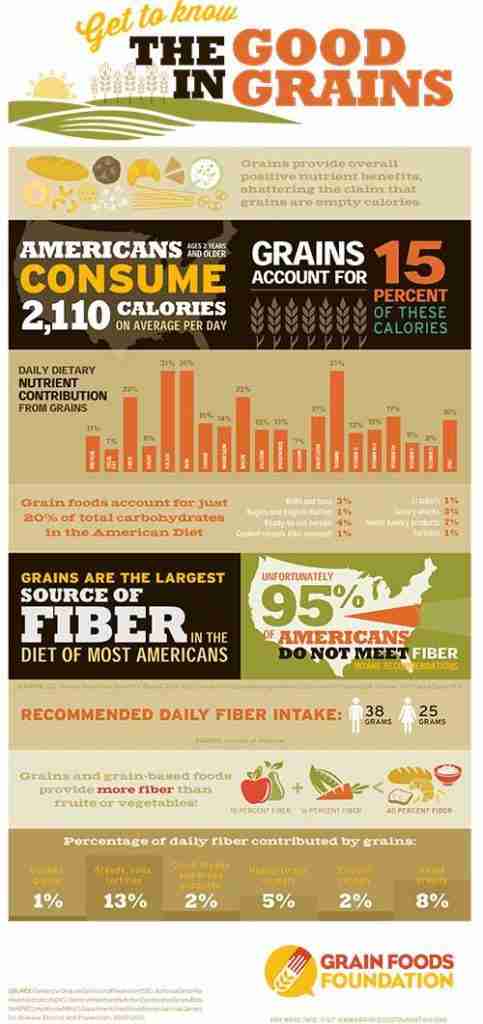
Processed corn products are often viewed through a lens of convenience and cost, but they also offer an array of nutritional benefits that can contribute to a balanced diet. Corn, rich in whole grains, contains essential nutrients such as vitamins B and C, magnesium, and dietary fiber. These nutrients play vital roles in energy production, immune function, and digestive health. Some popular processed corn products, including cornmeal and corn tortillas, can be fortified or enhanced with additional nutrients, making them even more beneficial. Additionally, the availability of these products offers versatile options for incorporating various flavors and textures into meals.
Furthermore, the processing of corn can extend its shelf life, preserving its nutritional content while making it accessible for a more extended period. Many processed corn products, such as popcorn, when prepared in healthier ways, can provide a satisfying snack rich in fiber without excessive calories. Not only does this support digestive health, but it also helps in maintaining a feeling of fullness. Some key nutritional highlights of processed corn products include:
| Product | Calories (per serving) | Fiber (g) | Vitamins |
|---|---|---|---|
| Cornmeal | 110 | 2 | B1, B3, C |
| Corn Tortilla | 50 | 1.5 | B1, B6 |
| Popcorn (air-popped) | 30 | 1.2 | B3 |
By appreciating the nutritional profile and healthful possibilities of these products, consumers can make informed choices about their diet. From whole grain options to fortified varieties, processed corn products can offer both familiarity and diversity, enriching meals while delivering essential nutrients.

Sustainable Practices in Corn Production and Processing
In the ever-evolving landscape of agriculture, sustainable corn production revolves around a myriad of eco-friendly practices that not only enhance yield but also safeguard the environment. Farmers are increasingly adopting crop rotation techniques, which diversify soil nutrients and reduce pest infestations. Techniques such as cover cropping and no-till farming are gaining traction, protecting the soil structure and minimizing erosion. By implementing integrated pest management (IPM), farmers can use natural predators to control pests instead of relying solely on chemical pesticides, creating a balanced ecosystem that benefits both the land and biodiversity.
The processing phase also embraces sustainability by prioritizing energy-efficient technologies and waste reduction. Facilities are investing in renewable energy sources, such as solar and wind, to power their operations, drastically lowering their carbon footprint. Moreover, the adoption of water recycling systems minimizes water waste and supports local communities by preserving vital water resources. To further enhance sustainability, many processors are now utilizing by-products from corn processing to create bioplastics or animal feed, ensuring that no part of the plant goes to waste.
Wrapping Up
As we draw the curtain on our exploration of corn processing, it’s evident that the journey from farm to factory is both an art and a science. This humble grain, cultivated in fields and elevated in factories, tells a story of human ingenuity and adaptation. From the meticulous hands that sow the seeds to the precise machinery that transforms hulled kernels into a myriad of products, corn processing is a testament to our ability to innovate in harmony with nature.
Each step in this intricate journey reflects a balance of tradition and modernity, underscoring the importance of sustainability as we navigate the challenges of a rapidly changing world. As we savor the many culinary delights and industrial innovations born from this golden crop, let us remember the rich tapestry of effort and care woven into every kernel.
In this age of conscious consumerism, may we continue to foster a deep appreciation for not only what corn gives us but also for the processes and people behind its transformation. As you explore your next culinary adventure or consider the ingredients in your pantry, take a moment to reflect on the journey that brought them to your table. The story of corn is not just one of nourishment, but of connection—a bridge that links the earth to our everyday lives.



