
In the heart of agricultural innovation, the humble rice mill is undergoing a transformation that promises to redefine the landscape of grain processing. As the global demand for rice continues to soar alongside population growth, the quest for efficiency and sustainability in harvesting practices has never been more critical. Enter the era of automatic rice mill plants—remarkable establishments that marry cutting-edge technology with traditional agricultural principles. These automated systems are not merely a response to labor shortages; they represent a comprehensive solution to enhance productivity while minimizing waste. In this exploration of automatic rice mill plants, we will delve into the mechanics behind their rise, the benefits they offer to farmers and economies, and the potential they hold for shaping the future of rice production worldwide. Join us as we navigate this pivotal shift in agronomy that promises to streamline harvests and fortify food security for generations to come.
Transforming Traditional Techniques with Automation
The integration of automation within the rice milling industry is a transformative leap that not only enhances efficiency but also preserves the quality of the grain. Traditional techniques, often burdened by labor-intensive processes, are giving way to cutting-edge technologies that streamline operations. With automatic rice mill plants, the entire workflow from paddy processing to packaging becomes optimized. Key advancements include:
- Automated Sorting – Machines equipped with optical sensors ensure that each grain meets quality standards, minimizing manual labor and increasing speed.
- Real-Time Monitoring – Integrated systems provide live data on performance and output, allowing for immediate adjustments and reducing waste.
- Efficient Energy Use – Automation reduces the energy footprint through precision-based operations and smart scheduling.
This shift not only improves productivity but also significantly impacts the economic landscape, making rice milling more accessible for smaller producers. For instance, adopting an automatic system can lead to considerable reductions in operational costs, as indicated in the table below:
| Cost Factor | Traditional Method | Automatic Mill |
|---|---|---|
| Labor Costs | $5,000/month | $1,500/month |
| Production Time | 12 hours/day | 24 hours/day |
| Waste Percentage | 15% | 5% |
By embracing these innovations, the rice industry not only stabilizes its production capabilities but also ensures sustainability. As farms adapt to these advanced systems, the future of rice milling appears not just promising, but dynamical, bringing forth a new era of agricultural excellence.
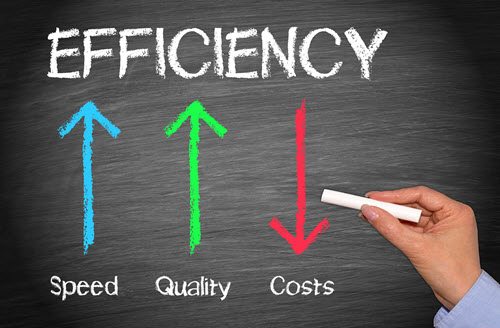
Enhancing Efficiency through Technological Innovations
The agricultural landscape is undergoing a transformative shift with the advent of automatic rice mill plants, integrating cutting-edge technology that significantly enhances operational efficiency. These state-of-the-art facilities utilize advanced automation systems that streamline the entire milling process, from the initial intake of paddy to the final packaging of rice. This innovation not only reduces manual labor requirements but also minimizes processing time, allowing for quicker product delivery to the market. Key features include:
- Smart Sensors: Monitor and adjust parameters in real-time to ensure optimal processing conditions.
- Automatic Feeding Systems: Enhance the flow of raw materials, reducing bottlenecks in production.
- Integrated Quality Control: Employs automated sorting and grading to maintain high product standards.
Furthermore, the implementation of data-driven software solutions offers producers valuable insights into operational performance. By analyzing processing cycles, energy consumption, and production yields, mill operators can make informed decisions that drive further efficiencies. The deployment of these systems not only strengthens profitability but also minimizes waste and environmental impact. A clear overview of the benefits can be seen in the table below:
| Benefit | Description |
|---|---|
| Time Savings | Reduces processing time by up to 30%. |
| Cost Efficiency | Decreases labor costs through automation. |
| Consistency | Ensures uniform quality across all batches. |
Sustainability and Environmental Benefits of Automatic Mills
The integration of automatic rice mill plants plays a crucial role in promoting sustainability within agricultural practices. By efficiently processing rice with minimal waste, these advanced mills significantly reduce the environmental footprint associated with rice production. Automatic systems streamline operations, minimizing energy consumption compared to traditional milling methods. Some remarkable sustainability benefits include:
- Reduced Water Usage: Automated systems often incorporate cutting-edge technologies that optimize water efficiency during the milling process.
- Lower Greenhouse Gas Emissions: With the shift towards automation, fuel consumption is greatly decreased, leading to a notable decline in greenhouse gas emissions.
- Waste Management: Automatic mills can efficiently manage byproducts, converting husks and bran into valuable resources such as biofuel or animal feed.
Additionally, automatic rice mill plants contribute to a circular economy by promoting the recycling of agricultural waste. This not only helps to nourish the soil or serve as livestock feed but also diminishes the over-reliance on chemical fertilizers. The table below summarizes some key environmental benefits:
| Benefit | Description |
|---|---|
| Water Conservation | Effective milling methods utilize less water, conserving this vital resource. |
| Energy Efficiency | Automation reduces energy needs, resulting in lower operational costs and emissions. |
| Resource Recovery | Byproducts are repurposed, minimizing waste and enhancing resource circulation. |
Navigating Challenges and Best Practices for Implementation
Implementing automatic rice mill plants comes with a distinct set of challenges that stakeholders must address proactively. Key hurdles include the initial capital investment, which can be significant, and the technical expertise required to operate advanced machinery. Often, rural areas may lack the necessary access to professional training programs that ensure operators are skilled in using sophisticated equipment. Furthermore, establishing a reliable supply chain, from procurement of raw paddy to distribution of processed rice, is vital to prevent delays and inefficiencies. By adopting a collaborative approach, wherein local communities and investors work together, these obstacles can be mitigated effectively.
To enhance the successful implementation of automatic rice mills, several best practices should be adopted:
- Conduct Feasibility Studies: Before launching a project, assess local resources, market demand, and potential profitability.
- Invest in Training: Develop comprehensive training programs for staff to ensure they are well-versed in operating machinery.
- Implement Quality Control: Establish rigorous quality assurance protocols to maintain high standards in the milling process.
- Leverage Technology: Utilize digital solutions for inventory management and customer relations to streamline operations.
| Challenge | Strategy |
|---|---|
| High Initial Costs | Explore financing options and partnerships for funding. |
| Lack of Skilled Workforce | Incorporate local training initiatives and mentorship programs. |
| Supply Chain Issues | Forge partnerships with reliable suppliers and logistic companies. |
Wrapping Up
As we stand on the brink of a technological revolution in the agricultural sector, the rise of automatic rice mill plants heralds a new era of efficiency and sustainability. These advanced facilities not only promise to enhance productivity but also to reduce wastage and improve the quality of the staple food that nourishes billions around the globe. By integrating automation into the heart of rice processing, we are witnessing a transformative shift that could redefine traditional farming practices.
While the journey towards widespread adoption is not without its challenges—issues of cost, technological literacy, and infrastructure development must be addressed—the potential benefits are undeniable. As farmers, entrepreneurs, and stakeholders in the agribusiness ecosystem embrace this innovation, the vision of a more streamlined, resource-efficient harvest emerges clearer than ever before.
In closing, the evolution of rice milling technology reflects a broader trend towards modernization in agriculture. As we continue to explore and invest in automatic solutions, we pave the way for a future where food security and sustainability coexist harmoniously. The dawn of automatic rice mill plants is not just an advancement; it is a crucial step towards a more resilient agricultural landscape, one that promises to feed the world while respecting our planet’s finite resources. The harvest of innovations has just begun—may we nurture it wisely.



