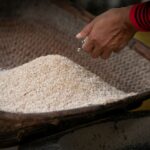
In the realm of agriculture, efficiency is not just an advantage; it’s a necessity. As the global demand for rice continues to surge, the intricate art of paddy processing has evolved into a sophisticated blend of tradition and modern technology. Welcome to the forefront of agricultural innovation, where the latest advancements in paddy processing machines are reshaping the landscape of rice production. These cutting-edge technologies not only enhance productivity but also optimize resource use, reduce waste, and deliver higher quality grain to markets worldwide. In this article, we will explore the transformative innovations that are paving the way for a more efficient and sustainable future in paddy processing, unlocking potential that was once thought unimaginable. Join us as we delve into the mechanisms that drive these advancements and examine their impact on farmers, industries, and the environment at large.
Technological Advances in Paddy Processing: A Closer Look at Smart Machines
In the realm of paddy processing, technological innovations have ushered in a new era of efficiency and precision. Smart machines, equipped with cutting-edge features, have revolutionized traditional methods. These machines are designed to optimize every step of the processing chain, ensuring that every grain of rice is treated with utmost care. Key features include:
- Automated Sorting: Utilizing advanced sensors and machine learning algorithms, these machines can identify and separate quality grains from impurities in real time.
- IoT Connectivity: Smart paddy processors come equipped with Internet of Things (IoT) capabilities, allowing for seamless monitoring and control through mobile applications.
- Energy Efficiency: The latest models are designed to minimize energy consumption while maximizing output, contributing to sustainable farming practices.
Moreover, the integration of AI-driven analytics in paddy processing machines allows farmers to gain insights into production trends, enabling them to make informed decisions. The potential for predictive maintenance is another game changer; by monitoring machine performance, operators can anticipate malfunctions before they occur, thus reducing downtime. This technological fusion is not just about saving time but also harnessing data to drive productivity and enhance the quality of the harvest.
| Feature | Advantage |
|---|---|
| Automated Sorting | Enhanced quality control |
| IoT Connectivity | Improved monitoring and ease of use |
| Energy Efficiency | Cost reduction in operation |
| AI-Driven Analytics | Informed decision-making |

Sustainable Practices in Paddy Processing: Innovations that Reduce Environmental Impact
In the quest for reducing the ecological footprint of paddy processing, numerous technologies have emerged that emphasize environmental sustainability. One prominent development is the use of energy-efficient machines that significantly lower power consumption. These innovations not only decrease greenhouse gas emissions but also promote cost savings for farmers and mill owners. Technologies such as solar-powered dryers utilize renewable energy sources, reducing reliance on fossil fuels, while new milling techniques ensure maximized recovery of rice and reduced waste. Other notable practices incorporate biomass energy systems that convert agricultural waste into clean energy, creating a closed-loop system that benefits both the environment and the economy.
Moreover, advancements in water management have revolutionized paddy processing. Water-intensive practices are being replaced by wet milling technologies that recycle and purify water used during processing. This not only mitigates water scarcity issues but also enhances the quality of the final product. The adoption of smart monitoring systems enables farmers to manage resources more effectively by tracking water usage in real-time. Key innovations include:
- Eco-friendly packaging: Utilizing biodegradable materials to minimize plastic waste.
- Waste valorization: Converting rice husks and other by-products into value-added products.
- Precision agriculture: Employing IoT devices to optimize crop yields and reduce chemical usage.
For a clearer understanding of the impact of these innovations, consider the table below that highlights the advantages of adopting sustainable practices in paddy processing:
| Innovation | Environmental Benefit | Economic Advantage |
|---|---|---|
| Energy-efficient machinery | Reduces CO2 emissions | Lowers operational costs |
| Water recycling systems | Minimizes water wastage | Enhances product quality |
| Biomass energy | Utilizes agricultural waste | Generates additional income |
Enhancing Efficiency through Automation: Key Features of Modern Paddy Processors
Modern paddy processors are revolutionizing the agricultural landscape by integrating advanced automation technologies that significantly boost operational effectiveness. These machines are designed with cutting-edge sensors and AI-driven algorithms that streamline the processing workflow, ensuring that each step—from harvesting to milling—is executed with precision and minimal human intervention. Key features such as real-time monitoring allow farmers to keep track of operational parameters, facilitating adjustments that optimize productivity. Moreover, the incorporation of smart analytics aids in predicting maintenance needs, preventing downtime and enhancing the overall durability of the machinery.
Another remarkable facet of contemporary paddy processors is their ability to support customizable processing settings, catering to diverse grain types and quality requirements. This flexibility is crucial for farmers aiming to maximize yield and cater to various market demands. Furthermore, these machines often include user-friendly interfaces that simplify the complexities of operation, enabling users of all skill levels to navigate with ease. Some notable functionalities feature:
- Automated Grain Sorting: Utilizing advanced optical sensors for quality grading.
- Energy Efficiency: Designed with sustainability in mind, reducing operational costs.
- Modular Design: Easily scalable to match production needs.
To illustrate the effectiveness of these features, consider the following table that compares traditional versus modern paddy processing approaches:
| Feature | Traditional Processing | Modern Processing |
|---|---|---|
| Processing Speed | Slow (Days) | Rapid (Hours) |
| Labor Requirement | High | Low |
| Waste Management | Manual | Automated |
Investing in the Future: Selecting the Right Paddy Processing Equipment for Optimal Performance
When considering new machinery for paddy processing, it’s crucial to focus on equipment that leverages modern technology. Innovations such as automatic sensors enable precision monitoring of moisture levels, ensuring that the paddy is processed in optimal conditions. Additionally, machines equipped with energy-efficient motors not only reduce operational costs but also minimize the carbon footprint. The key features to look for include:
- Multi-functional capabilities: Machines that can perform multiple tasks, such as milling and polishing, streamline operations.
- Smart Technology Integration: Features such as IoT connectivity allow for remote diagnostics and performance tracking.
- Ease of Maintenance: Machines designed for easy access to parts reduce downtime and maintenance costs.
Furthermore, investing in cutting-edge equipment can enhance output quality significantly. For example, advanced husking and whitening machines use airflow technology, which minimizes damage to grains, leading to higher-grade paddy with fewer broken kernels. To guide your selection process, consider these essential criteria:
| Feature | Benefit |
|---|---|
| High Efficiency | Reduces processing time and increases throughput. |
| Customizable Settings | Allows tailoring process parameters to specific paddy types. |
| Durability | Ensures longevity and reliability, leading to fewer replacements. |
By prioritizing technologies that emphasize efficiency, sustainability, and quality, processors can position themselves at the forefront of the industry. Embracing these advanced paddy processing machines not only promises superior performance but also paves the way for a resilient future in the agricultural sector.
Wrapping Up
the landscape of paddy processing is undergoing a transformative wave, driven by innovative technologies that promise to unlock unprecedented levels of efficiency. As we embrace these advancements, from automated husking machines to precision milling equipment, the potential for enhancing productivity and sustainability in this critical sector becomes clear. The journey toward optimizing paddy processing is not just about improving output; it also reflects our commitment to fostering a more resilient agricultural ecosystem. As we look to the future, the continued collaboration between manufacturers, researchers, and farmers will be essential in refining these innovations. Together, we can cultivate a new era of paddy processing that not only meets the demands of today but also paves the way for a more sustainable tomorrow. The grain is ripe for change—let us harvest the benefits of innovation.