
In the heart of the world’s agricultural landscape, rice stands as a staple food that nourishes billions and fuels economies across continents. Yet, the journey from paddy to plate is complex, requiring precision and innovation to unlock the true potential of this vital grain. At the forefront of this transformation are rice milling machines—technological marvels that diligently convert raw, unprocessed rice into the polished grains that grace our tables. This article delves into the intricate science behind these machines, exploring how engineering excellence and cutting-edge technology work hand in hand to enhance efficiency, quality, and sustainability in rice milling. Join us as we unveil the mechanisms, techniques, and advancements that are reshaping the future of rice production, ensuring this essential crop continues to thrive in an ever-evolving global landscape.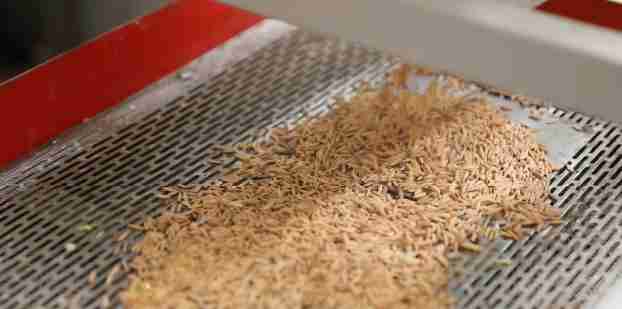
Understanding the Rice Milling Process for Optimal Grain Quality
The rice milling process is a meticulous journey that transforms raw paddy into polished rice, a staple across the globe. Understanding this procedure is crucial for achieving optimal grain quality, which hinges on several key steps. First, initial cleaning of the paddy removes impurities such as dust, stone, and foliage. Once the grain is cleaned, the next phase involves hulling, where the outer husk is removed to reveal the brown rice. This rice still contains the bran layer, which is rich in nutrients but can affect shelf life and cooking properties. Depending on market demands, mills may choose to retain this layer or further whiten the rice by polishing, effectively improving appearance and texture but potentially reducing its nutritional profile.
In addition to the physical processes, temperature regulation is vital during milling to prevent damage to the grain. Elevated temperatures can compromise the quality, leading to a rancid flavor and reduced shelf life. Thus, many modern milling machines are equipped with temperature control mechanisms to ensure a consistent processing environment. Moreover, the role of automation cannot be understated; advanced rice milling machines incorporate sensors that monitor grain quality in real-time, enabling precise adjustments during processing. These enhancements not only optimize output but also contribute to higher consumer satisfaction. Below is a summary of the essential steps in the rice milling process:
| Step | Description |
|---|---|
| Cleaning | Removing impurities like stones and dust from raw paddy. |
| Hulling | Separation of husk from the brown rice. |
| Whitening | Polishing the brown rice to produce white rice. |
| Sorting | Classifying rice based on size and quality for consumer market. |

Innovative Technologies Driving Efficiency in Rice Milling Machines
Advancements in rice milling machines have significantly transformed the agricultural landscape, enabling millers to achieve higher productivity and better rice quality. Automation and intelligent sensors are among the key innovations streamlining the milling process. These machines can now monitor and regulate various parameters such as temperature, moisture, and pressure in real-time, allowing for consistent output and minimizing human error. Moreover, the integration of machine learning algorithms aids in predicting maintenance needs, reducing downtime and increasing efficiency. Further enhancing the process, energy-efficient technologies help minimize resource consumption, aligning with sustainable practices while maximizing output.
Another transformative aspect is the use of precision milling techniques that ensure minimal grain damage and maximized yield. By applying advanced husking methods and incorporating classifying screens, rice milling machines are now capable of separating broken grains from whole grains with remarkable accuracy. The introduction of vibration technology in the separation phase further reduces the reliance on manual sorting while increasing throughput. To illustrate these advancements, consider the following table showcasing the key features of modern rice milling machines:
| Feature | Benefit |
|---|---|
| Automated Sensors | Real-time monitoring for optimal milling conditions |
| Machine Learning | Predictive maintenance for reduced downtime |
| Energy Efficiency | Lower operational costs and sustainability |
| Precision Milling | Minimized grain damage and higher quality output |
Key Factors in Selecting the Right Rice Milling Equipment
When delving into the world of rice milling, choosing the appropriate equipment can significantly influence the quality and yield of the final product. A number of considerations come into play to ensure that the milling process is both efficient and effective. First and foremost, you should assess the capacity of the equipment in relation to your production needs. This includes understanding the volume of rice you will be processing on a daily basis and selecting machinery that can handle that workload while minimizing downtime. Additionally, the technology employed in the milling machines is crucial; advanced models with modern innovations such as enhanced husk removal systems and precision grading can vastly improve the overall efficiency.
Another essential element to consider is the maintenance and operational costs associated with the machinery. Opting for equipment that requires minimal upkeep not only reduces operational interruptions but also contributes to long-term savings. Furthermore, it’s beneficial to evaluate the availability of spare parts and local service support, ensuring that you are not left stranded during critical periods. User-friendliness also plays a pivotal role, as equipment that is easy to operate and understand will streamline training processes and enhance productivity. By focusing on these critical aspects, businesses can make informed decisions that lead to increased efficiency and profitability in their rice milling operations.
| Factor | Consideration |
|---|---|
| Capacity | Match machinery with daily production needs |
| Technology | Choose machines with advanced features |
| Maintenance | Look for equipment with low upkeep requirements |
| Spare Parts | Assess local availability and support |
| User-Friendliness | Evaluate ease of operation for better training |
Enhancing Nutritional Value and Sustainability in Rice Production
In the intricate journey from paddy to plate, rice milling machines play a pivotal role in enhancing the nutritional value of rice while promoting sustainability in its production. Advanced milling technologies can significantly reduce nutrient loss during the milling process, ensuring that the end product retains essential vitamins and minerals. By employing techniques such as precision milling and customizable settings, these machines minimize the removal of beneficial bran layers, thus increasing the overall nutrient profile of the rice. Furthermore, innovations like water-efficient milling and solar-powered machines not only cut energy costs but also lower the ecological footprint of rice production, aligning with global sustainability goals.
Moreover, integrating modern milling practices can lead to value-addition in rice processing, transforming it into a versatile ingredient for various culinary applications. The introduction of nutrient-enriched rice varieties—such as biofortified rice—enabled by sophisticated milling machinery, contributes to food security and nutrition across communities. To visualize the impressive potential, consider the following table:
| Rice Type | Nutritional Benefit | Milling Technology |
|---|---|---|
| Brown Rice | Rich in fiber and minerals | Whole grain milling |
| Fortified Rice | Enhanced vitamins (A, D, B12) | Vitamin infusion technology |
| Parboiled Rice | Higher nutrient retention | Steam injection method |
Such advancements not only ensure that rice remains a staple food worldwide but also that it meets the evolving demands for healthier dietary options. With each revolution of the milling machine, the potential for enriched rice production expands, benefitting both producers and consumers while nurturing the environment.
The Conclusion
As we conclude our exploration of the intricate world of rice milling machines, it’s evident that these remarkable machines are more than mere tools; they are the unsung heroes behind the grains that nourish billions. By marrying technology and tradition, we unlock the full potential of every grain, ensuring that quality and efficiency go hand in hand. The science of rice milling is not just a process but an art form—a delicate balance of precision, engineering, and respect for a crop that has sustained civilizations for centuries.
As we move forward, let us continue to innovate and refine our approach to rice milling, not just for productivity but for sustainability and food security. In acknowledging the intricate processes that transform paddy into polished rice, we honor the journey from field to table. So, whether you are a farmer, a mill operator, or simply an enthusiast of agricultural technology, may you find inspiration in the science of rice milling and its potential to shape the future of food production. The grain’s journey is far from over; it’s only just beginning.



