
In a world where food security and sustainable practices intertwine, the agricultural landscape is undergoing a transformation that promises to revolutionize how we process one of our most essential staples: rice. Enter the mini rice mill plant—an innovative solution that marries technology with traditional farming. These compact, efficient milling systems are not only making rice processing more accessible but also empowering small-scale farmers and rural communities. As consumers increasingly seek fresh, locally-sourced produce, the rise of mini rice mill plants represents a pivotal shift towards decentralized grain processing. In this article, we will explore the numerous benefits of these agile milling systems, their impact on agricultural economics, and the role they play in ushering in a new era of grain production that prioritizes quality, sustainability, and community resilience. Join us as we delve into the intricate world of mini rice mills and their potential to reshape the future of food.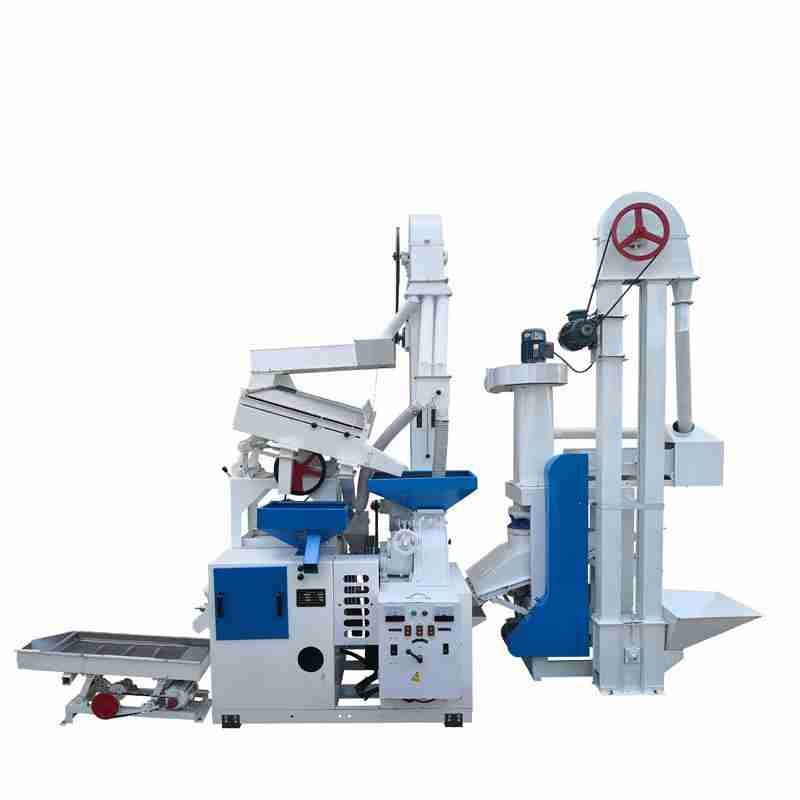
Exploring the Benefits of mini rice mill Plants in Sustainable Agriculture
mini rice mill plants are emerging as pivotal instruments in the quest for sustainable agriculture. These compact facilities not only contribute to local economies but also demonstrate resilience and adaptability in processing operations. By reducing the need for extensive machinery and large-scale factories, mini rice mill plants offer farmers a variety of benefits:
- Lower Capital Investment: Entrepreneurs can start operations with a smaller amount of initial capital compared to traditional mills.
- Local Accessibility: Businesses can easily establish these units in rural areas, minimizing transportation costs and delays.
- Energy Efficiency: Mini mills often consume less energy, thus contributing to lower carbon footprints.
- Job Creation: By creating local employment opportunities, these mills foster economic independence in rural communities.
Moreover, the use of mini rice mill plants promotes food safety and quality through improved processing techniques that maintain the nutritional integrity of rice. Farmers can directly mill their harvest, ensuring fresher produce reaches consumers without excessive handling. Consider the following advantageous statistics on mini rice mill processing:
| Feature | Traditional Mills | Mini Rice Mills |
|---|---|---|
| Investment Required | High | Low |
| Processing Capacity | Large-scale | Small-scale |
| Environmental Impact | High | Lower |
| Community Integration | Limited | Enhanced |

Innovative Technology Driving Efficiency and Quality in Grain Processing
In recent years, mini rice mill plants have emerged as a transformative force in the grain processing landscape, harnessing cutting-edge technology to enhance operational efficiency and product quality. These compact facilities are designed to be adaptable, requiring significantly less space and investment compared to traditional large-scale mills. By employing automated milling systems, mini plants streamline processes such as husking, whitening, and polishing, ensuring a consistent and high-quality end product while minimizing manual labor. Integration of IoT (Internet of Things) capabilities further drives performance improvements, allowing for real-time monitoring and data analytics to optimize production schedules and reduce waste.
Moreover, the adoption of energy-efficient machinery and sustainable practices within these plants contributes to both cost savings and environmental responsibility. For instance, the incorporation of solar energy systems not only reduces operational expenses but also ensures a greener footprint. The following table illustrates some of the key benefits of implementing mini rice mill technology:
| Benefit | Description |
|---|---|
| Cost Efficiency | Lower initial investment and operational costs. |
| Space Utilization | Compact designs suitable for small-scale farming operations. |
| Quality Assurance | Advanced milling processes produce superior rice quality. |
| Sustainability | Energy-efficient operations reducing carbon footprint. |
As these innovative mini mills continue to reshape the grain industry, their ability to blend modern technology with traditional practices ensures that both producers and consumers benefit from enhanced accessibility and quality of rice products. With increased focus on precision agriculture and food security, the future of grain processing looks distinctly promising, driven by the efficiency and reliability of mini rice mill plants.
Tailoring mini rice mill Solutions for Smallholder Farmers
The shift towards mini rice mill solutions is transforming the landscape for smallholder farmers, providing them with the tools needed to enhance productivity and reduce post-harvest losses. These compact, efficient machines are designed with the specific needs of small farming operations in mind. Key features of mini rice mills include:
- Affordability: Accessible financing options ensure that smallholders can invest in these technologies without crippling their resources.
- Portability: Designed for easy transportation, farmers can conveniently move the mills to different harvesting sites, optimizing operations.
- Energy Efficiency: New innovations reduce power consumption, minimizing operating costs and making milling operations financially sustainable.
Incorporating user-friendly designs, these mini mills allow farmers to take control of the milling process, producing high-quality rice that meets market demands. By managing their milling in-house, smallholder farmers can achieve greater autonomy over their production, leading to an improved income stream. The accompanying table summarizes the benefits of mini rice mills:
| Benefit | Description |
|---|---|
| Cost Savings | Reduction in milling fees paid to external processors. |
| Quality Control | Direct oversight ensures a better quality of the final product. |
| Local Employment | Creation of job opportunities within the community. |
Strategic Partnerships and Market Opportunities in the Grain Industry
The emergence of mini rice mill plants has paved the way for a plethora of strategic partnerships within the grain industry, transforming traditional supply chains into dynamic networks. These small-scale milling units present an opportunity for local farmers to become stakeholders in the value chain, thereby improving economic resilience and community engagement. As these plants often require less capital investment, they can attract collaborations from various sectors, fostering connections between producers, technology providers, and financial institutions. The mutually beneficial nature of these partnerships allows participants to share resources, reduce costs, and explore innovative solutions that enhance productivity and sustainability.
Moreover, the rise of mini rice mills opens up new market opportunities that cater to both local and global demands. By establishing a presence in community markets, these plants can engage in direct sales, harnessing the growing consumer trend towards locally sourced and processed grains. Furthermore, strategic alliances with exporters and distributors can help in tapping into international markets without the excessive overhead costs typically associated with large-scale operations. The table below illustrates some of the potential partnerships and their respective benefits:
| Partnership Type | Potential Benefits |
|---|---|
| Local Farmers | Increase income and ensure steady supply of raw materials |
| Technology Providers | Access to modern milling equipment and expertise |
| Financial Institutions | Access to loans and financial products tailored for small enterprises |
| Distributors | Wider distribution channels and enhanced market reach |
Final Thoughts
the rise of mini rice mill plants represents a pivotal shift in grain processing that is set to transform farming communities and local economies. These small-scale facilities not only democratize the milling process, making it accessible to farmers of all sizes, but also foster a greater sense of sustainability by reducing transportation and storage costs. As we move forward, embracing these innovations will enable us to harness the full potential of our agricultural resources, paving the way for increased productivity and food security. The future of grain processing lies in this revolution, where ingenuity meets practicality, and where every grain tells a story of progress. As we continue to explore and invest in such technologies, we create an empowering narrative that champions local solutions for global challenges.



