
Unlocking Efficiency: The Evolution of Chinese Rice Mills
In the heart of China, where history dances with innovation, a silent revolution has been taking place in the realm of agriculture — the evolution of rice mills. For centuries, rice has not only been a staple food but also a cultural cornerstone for billions around the globe. As its importance swells, so too does the demand for efficient processing methods. This article embarks on a journey through time, tracing the remarkable transformation of Chinese rice mills from traditional, labor-intensive operations to sophisticated, automated powerhouses. We will explore how technological advancements, changing consumer preferences, and an ever-growing population have shaped this sector, unlocking new levels of efficiency and sustainability. Join us as we delve into the past, present, and future of rice milling in China, shedding light on an industry poised at the forefront of global agricultural innovation.
Navigating Tradition and Innovation in Rice Milling Technology
The rice milling industry in China has long been characterized by a delicate balance between time-honored methods and cutting-edge advancements. Traditional rice mills, often family-owned and deeply rooted in local culture, have played a crucial role in preserving the unique flavors and textures of rice that are integral to Chinese cuisine. As the demand for efficiency and consistency rises, mill operators are now turning to innovation. This shift involves not only integrating new technologies but also enhancing existing practices to optimize the milling process. With a focus on sustainable practices, today’s rice mills are increasingly adopting energy-efficient machinery, reducing waste, and enabling better yield from each batch of grain.
Key features of this evolving landscape include:
- Automation: Modern mills are increasingly relying on automated processes that minimize human error and speed up production times, while still retaining the quality of traditional milling.
- Smart Technology: Integration of IoT devices allows for real-time monitoring and adjustments, ensuring optimal performance without sacrificing the essence of traditional methods.
- Sustainability: Emphasis on eco-friendly practices, such as water recycling systems and solar-powered machinery, aligns with global efforts to protect the environment.
| Traditional Methods | Modern Innovations |
|---|---|
| Stone mills | Automated milling machines |
| Manual labor | Robotics in sorting and packaging |
| Natural drying | Controlled climate drying systems |
| Localized production | Global supply chains with tech integration |
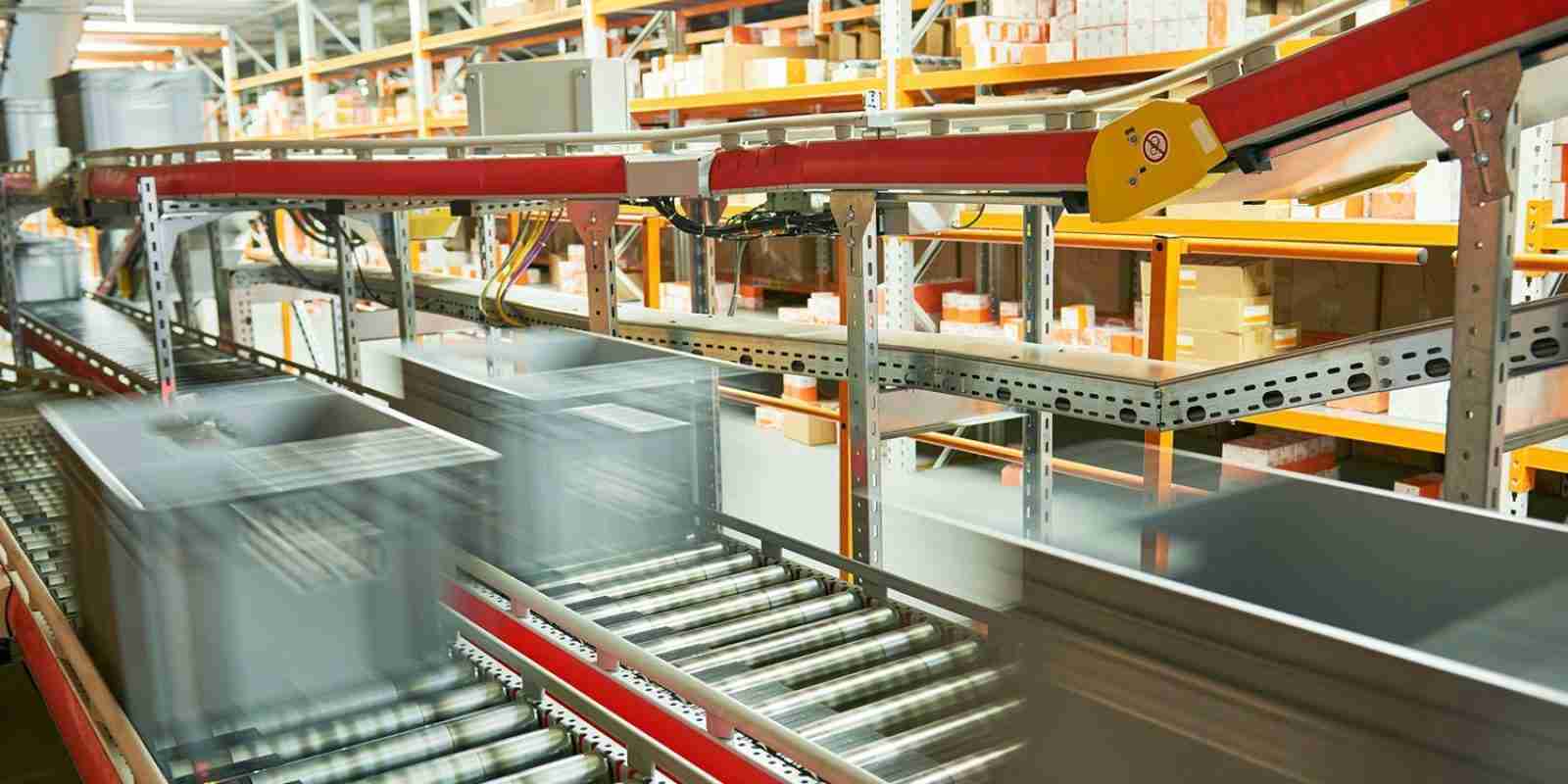
Harnessing Automation: The Key to Enhanced Production Rates
In the modern landscape of rice milling, automation serves as a transformative force, elevating production capabilities to previously unattainable heights. Equipped with advanced machinery and integrated systems, today’s rice mills can conduct operations with unparalleled efficiency. This evolution not only streamlines processing but also minimizes waste and optimizes resource utilization. The shift towards automation empowers mill operators with real-time data and analytics, enabling them to monitor production metrics and make informed decisions swiftly. Key benefits of this automation include:
- Increased Throughput: Automated systems can handle higher volumes of rice processing without compromising quality.
- Consistent Quality Control: Automated equipment ensures uniformity in milling, leading to improved product standards.
- Reduced Labor Costs: Automation allows mills to operate with fewer personnel, reducing labor expenditures.
- Enhanced Safety: By minimizing human involvement in potentially hazardous tasks, automation improves workplace safety.
The integration of new technologies such as IoT devices and AI-driven analytics has also paved the way for predictive maintenance in rice mills. By utilizing these technologies, mill operators can foresee equipment failures before they occur, drastically reducing downtime and repair costs. An analysis of production rates before and after adopting automation clearly highlights this trend:
| Year | Production Rate (tons/day) | Downtime (hours/month) |
|---|---|---|
| 2010 | 50 | 15 |
| 2015 | 80 | 10 |
| 2020 | 130 | 3 |
Such improvements underscore the significance of adopting innovative technologies to propel the rice milling industry forward. As these advancements continue to shape the sector, mills that embrace automation will not only meet the rising demands of the market but also secure their sustainability and profitability in an ever-competitive landscape.
Sustainability in Rice Milling: Practices for a Greener Future
Sustainability has become a cornerstone of modern rice milling operations, especially as technology evolves. Innovative techniques are transforming traditional milling practices into green solutions, emphasizing minimal waste and energy efficiency. Among these practices are:
- Water Conservation: Implementing closed-loop systems that recycle water used during the milling process.
- Energy Efficiency: Upgrading to energy-efficient machinery and utilizing renewable energy sources like solar power.
- Waste Management: Creating value from by-products such as rice husk and bran, which can be used as biofuel or animal feed.
Furthermore, by adopting sustainable supply chain practices, mills not only reduce their carbon footprint but also improve community relations and food security. A noteworthy approach is the integration of smart technologies that monitor resource usage and production levels in real-time. Here’s a simple overview of key sustainable practices and their benefits:
| Practice | Benefits |
|---|---|
| Closed-Loop Water Systems | Reduces water consumption and minimizes wastewater discharge |
| Energy-Efficient Machinery | Lowers operational costs and decreases greenhouse gas emissions |
| Utilization of By-Products | Generates additional income streams and reduces waste |
Emphasis on these initiatives not only aligns with global sustainability goals but also positions Chinese rice mills as leaders in responsible agricultural practices. As they continue to innovate, the rice milling industry moves closer to a future where ecological balance is prioritized alongside economic growth.
Workforce Transformation: Skills and Training for a Modern Industry
As the landscape of the rice milling industry evolves, the need for a skilled workforce has never been more critical. To adapt to advanced technologies and practices, it is essential for workers to embrace continuous learning and skill acquisition. This is achieved through targeted training programs that focus on both technical proficiency and soft skills, ensuring that employees are well-rounded and capable of navigating the complexities of modern machinery. Key areas for training include:
- Machine Operation: Understanding the latest milling equipment and technology.
- Quality Control: Developing techniques for maintaining high product standards.
- Data Analytics: Utilizing data-driven insights to optimize production processes.
- Safety Protocols: Emphasizing safety training to reduce workplace accidents.
Moreover, fostering a culture of innovation within rice mills encourages employees to contribute ideas that can enhance operational efficiency and reduce waste. Companies are increasingly recognizing that effective training programs not only boost employee morale but can also lead to significant cost savings and increased productivity. As a result, many are investing in:
| Investment Area | Benefits |
|---|---|
| On-the-Job Training | Practical experience on real equipment. |
| Online Courses | Flexible learning at one’s own pace. |
| Workshops and Seminars | Networking opportunities and expert insights. |
By tailoring these educational initiatives to the specific needs of the rice milling sector, organizations can ensure their workforce is equipped with the necessary skills to thrive in a competitive market. As efficiency becomes increasingly intertwined with workforce capabilities, the focus on skills and training will pave the way for a more resilient and adaptive industry.
In Summary
As we draw the curtains on our exploration of the evolution of Chinese rice mills, it becomes evident that these humble edifices are more than just facilities for processing grain; they are living testaments to innovation, resilience, and cultural heritage. Over the decades, we’ve witnessed transformative shifts from time-honored methods to cutting-edge technologies, which have not only boosted productivity but have also woven sustainability into the fabric of rice milling. As global demands continue to rise and environmental challenges loom, the future of rice mills in China stands poised at an intriguing crossroads, where tradition meets advancement.
In unlocking the potential of these mills, we have not only elevated the agricultural landscape but have also provided a blueprint for efficiency that other industries can emulate. As we look ahead, it will be fascinating to see how these agricultural catalysts adapt to an ever-changing world, further enhancing our connection to this staple food that sustains billions. In the grand tapestry of global agriculture, Chinese rice mills exemplify the remarkable journey of progress, reminding us that every grain of rice carries with it a story of evolution and hope.



