
Unlocking Brilliance: The Mini Rice Polisher Machine
In a world where culinary precision and quality are paramount, the journey of a grain of rice is often overlooked. From lush paddies to our plates, it undergoes various transformations, yet it is the final polishing that unlocks its true brilliance. Enter the mini rice polisher machine—a marvel of engineering that not only enhances the grain’s appearance but also elevates its taste and nutritional value. This compact yet powerful device is revolutionizing the way we approach rice preparation, making it accessible for both home cooks and commercial operations alike. Join us as we delve into the innovative world of mini rice polishing, exploring its technology, benefits, and the ways it is reshaping our connection to this staple food. Discover how a simple machine can refine not just rice, but also our culinary experiences, bringing a touch of brilliance to every meal.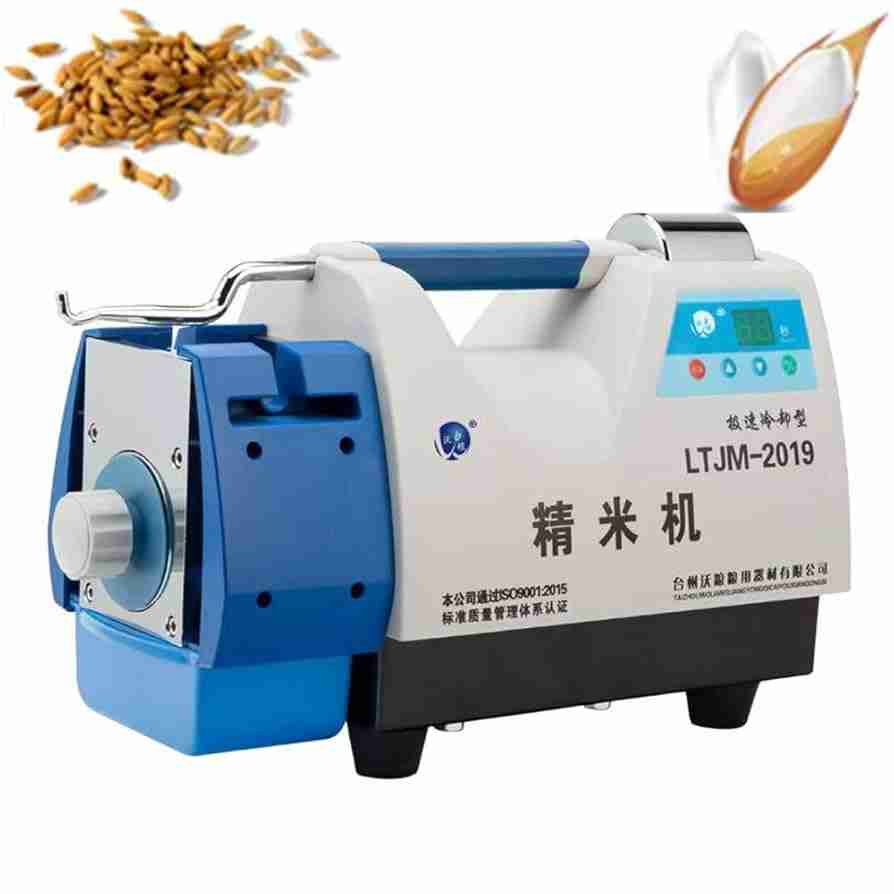
Exploring the Innovative Design of the Mini Rice Polisher Machine
The Mini Rice Polisher Machine stands out in the modern agricultural landscape with its blend of compactness and cutting-edge technology. Designed to enhance the quality of rice while minimizing processing time, this machine marries form and function seamlessly. The sleek design not only ensures easy handling and storage, but also incorporates advanced polishing mechanisms that preserve the nutritional integrity of the grains. Key features include:
- Energy Efficiency: Operates on minimal power without compromising performance.
- Compact Size: Perfect for small-scale farmers and households.
- Durable Materials: Built to withstand long-term use and harsh environments.
Moreover, the machine’s user-friendly interface makes it accessible to individuals with varying degrees of technical proficiency. By optimizing the polishing process, it not only enhances the aesthetic appeal of rice but also elevates its market value. The innovative design includes:
| Feature | Description |
|---|---|
| Polishing System | Utilizes a rotary mechanism for uniform grain polishing. |
| Adjustable Settings | Allows customization based on rice type. |
| Safety Features | Equipped with emergency shut-off buttons. |

Understanding the Benefits of Efficient Rice Polishing Techniques
Efficient rice polishing techniques play a crucial role in enhancing the overall quality and marketability of rice. By employing advanced machinery like the mini rice polisher, producers can achieve a refined outer layer that not only elevates the aesthetic appeal of the rice but also contributes to improved nutrient retention. The process minimizes the loss of essential vitamins and minerals while ensuring that the rice grains maintain their natural flavor.
When examining the advantages of utilizing efficient polishing methods, several key benefits stand out:
- Increased Shelf Life: Properly polished rice can resist spoilage, extending its freshness for consumers and vendors alike.
- Better Taste and Texture: The meticulous polishing process results in rice that is more palatable, offering an enhanced culinary experience.
- Higher Market Value: Enhanced quality enables farmers and sellers to fetch better prices in local and international markets.
To visualize the efficiency of different polishing techniques, the following table summarizes the essential attributes of conventional versus modern methods:
| Technique | Efficiency | Yield Quality | Cost-Effectiveness |
|---|---|---|---|
| Conventional | Moderate | Good | Higher |
| Modern | High | Excellent | Lower |
By embracing innovative polishing technologies, the rice industry can streamline production while meeting the rising demand for high-quality grains. As consumers become increasingly health-conscious and quality-driven, the push for efficient processing techniques becomes imperative, paving the way for a more robust and sustainable rice market.
Maximizing Performance: Tips for Optimal Use of Your Mini Rice Polisher
To ensure your mini rice polisher performs at its best, it’s essential to consider a few key practices that can enhance efficiency and rice quality. Starting with the right settings is crucial; adjust the polishing time and speed according to the type of rice you’re processing, whether it’s white, brown, or specialty grains. Utilize filters and water management techniques during the polishing process to remove impurities effectively without compromising the rice’s nutritional value. A clean workspace and machine will also prevent cross-contamination, ensuring you achieve consistent results in every batch.
Additionally, regular maintenance can significantly impact the lifespan and performance of your machine. Create a scheduled cleaning routine to remove rice dust and other residues that accumulate over time. This not only maintains machine efficacy but also enhances food safety. Here are some important maintenance tips to follow:
- Inspect Paddles and Rollers: Check for wear and tear regularly.
- Calibrate Settings: Ensure that polishing levels are adjusted based on usage.
- Monitor Performance: Keep an eye on the output quality and troubleshoot issues promptly.
Implementing these strategies will help you maximize the performance of your mini rice polisher. Keeping a detailed maintenance log can also be beneficial, helping you track service dates and machine efficiency over time. Here’s a simple example of what your log could look like:
| Date | Maintenance Task | Notes |
|---|---|---|
| MM/DD/YYYY | Clean Machine | Removed dust and residues. |
| MM/DD/YYYY | Inspect Rollers | No signs of wear noted. |
| MM/DD/YYYY | Calibrate Settings | Adjusted for jasmine rice. |
Maintenance Made Easy: Keeping Your Polisher in Top Condition
To ensure your mini rice polisher operates at peak performance, regular maintenance is essential. Begin by cleaning the inner components frequently; rice husks and dust can accumulate and hinder efficiency. Use a soft brush or compressed air to remove debris from the motor and polishing chamber. Additionally, it’s crucial to inspect belts and rollers for wear and tear, replacing them as needed to prevent breakdowns. Don’t overlook the checking of electrical connections to ensure everything is secure and functioning correctly. A little attention goes a long way in prolonging the life of your polisher.
Establishing a maintenance checklist can simplify the upkeep process. Consider the following actions on a monthly basis to keep your machine in top condition:
- Clean the exterior: Wipe down surfaces to remove any rice dust.
- Lubricate moving parts: Apply appropriate lubricants to extend machine life.
- Calibrate settings: Ensure all settings are functioning accurately for optimal polishing results.
- Review the user manual: Stay updated on specific care files and troubleshooting tips.
| Maintenance Task | Frequency | Notes |
|---|---|---|
| Clean inner components | Weekly | Use a soft brush or air. |
| Inspect belts and rollers | Monthly | Replace if worn. |
| Lubricate moving parts | Monthly | Refer to user manual for lubricant type. |
In Summary
As we conclude our exploration of the Mini Rice Polisher Machine, it becomes clear that this compact marvel is more than just a device; it’s a catalyst for transformation in the culinary world. By elevating the quality of rice with minimal effort, it unlocks the potential for flavor that often goes unnoticed. Whether you’re a seasoned chef or a home cook, the possibilities are as vast as the grains it refines.
In a landscape where innovation meets tradition, the Mini Rice Polisher stands out as a bridge, marrying age-old techniques with modern efficiency. The journey towards culinary excellence now begins at the grain level, reminding us that sometimes, the smallest tools can wield the most significant impact. As you embark on your culinary adventures, consider integrating this unassuming machine into your kitchen arsenal—it may just become your secret to unlocking brilliance on every plate.
Thank you for joining us in this deep dive into a tool that not only polishes rice but also enriches our heritage of cooking. Here’s to every grain, every dish, and the endless potential they hold.



