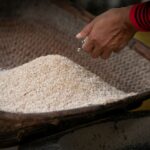
In the heart of the world’s agricultural landscape, rice stands as a cornerstone of sustenance, nourishing billions across continents. Its journey from paddy field to plate is an intricate dance that requires precision, care, and innovation. As the demand for this staple grain continues to rise, so too does the need for advancements in rice processing technology. “Unlocking the Secrets: Innovations in Rice Processing Equipment” delves into the groundbreaking developments that are transforming the way rice is harvested, processed, and prepared for consumption. This exploration not only highlights the latest machinery and techniques reshaping the industry but also underscores the importance of efficiency, sustainability, and quality in feeding a growing global population. Join us as we unveil the secrets behind these innovations, revealing how they are revolutionizing a longstanding tradition and ensuring the future of this vital crop.
Revolutionizing Grain Handling through Automated Solutions
In the ever-evolving landscape of agricultural technology, modernization in grain handling is setting new benchmarks for efficiency and sustainability. Automated solutions are not just a trend; they are fundamentally transforming how rice is processed and handled from the field to the consumer. By integrating cutting-edge robotics and smart engineering, manufacturers are enhancing throughput while minimizing labor costs. Innovations such as automated sorting systems, which employ advanced machine vision and AI algorithms, ensure that only the highest quality grains reach the market, reducing waste and improving profitability for producers.
Moreover, the advent of IoT (Internet of Things) technologies is enabling real-time monitoring and analytics, providing insights that were previously unattainable. Stakeholders can now access data on moisture levels, pest activity, and even grain temperature remotely, allowing for swift decision-making. Features of modern automated systems include:
- Precision weighing for accurate inventory management
- Self-cleaning mechanisms to maintain hygiene standards
- Automated drying processes that optimize energy usage
- Data integration with existing farm management tools
As these technologies continue to advance, the rice processing industry stands on the threshold of a revolution that promises to increase not just efficiency but also product quality and safety.

Enhancing Nutritional Value with Advanced Milling Techniques
In recent years, the landscape of rice processing has undergone a remarkable transformation, primarily driven by innovative milling techniques that not only enhance the texture and taste of rice but also significantly boost its nutritional profile. Advanced machinery, equipped with state-of-the-art technology, focuses on preserving essential nutrients during processing. By employing methods such as multistage milling and precision polishing, manufacturers can effectively minimize the loss of vital vitamins and minerals. This progressive approach to milling does more than improve flavor; it also contributes to creating healthier food options for consumers.
Utilizing techniques that emphasize minimal processing ensures that whole grains remain intact, unlocking their full potential. Key innovations in rice milling equipment include:
- Augmented Water Management: Enhancing water usage during milling reduces nutrient leaching.
- Temperature Control: Regulating heat during milling preserves proteins and prevents oxidation.
- High-Precision Separators: Safeguarding the bran layer, rich in fiber and antioxidants.
These advancements not only lead to superior rice quality but also cater to a growing consumer demand for nutritious, whole-food products. As the industry continues to evolve, the integration of technology will likely pave the way for even more exciting breakthroughs, ensuring that the nutritional value of rice remains a focal point of innovation.
Sustainable Practices in Rice Processing Equipment Design
In the realm of rice processing equipment design, embracing eco-friendly methodologies has become a hallmark of innovation. State-of-the-art solutions are increasingly focusing on minimizing waste, optimizing energy usage, and maximizing resource recovery. Incorporating sustainable materials—such as recycled metals and biodegradable composites—can significantly reduce the environmental footprint of manufacturing processes. Furthermore, the integration of cutting-edge technologies like IoT and AI not only enhances efficiency but also empowers rice processors to monitor operations in real-time, enabling timely interventions to prevent excess energy consumption and resource waste.
The advancements in energy-efficient machinery also play a pivotal role in sustainable rice processing. Equipment designed for low-energy consumption, like updated husking and milling machines, can yield tremendous cost savings while contributing to greener production methods. Modern designs might include features like:
- Modular Components: Allowing for easy upgrades and repairs, thereby extending machinery lifespan.
- Waste Heat Recovery Systems: Capturing excess heat from processing to be reused, thus improving overall energy efficiency.
- Smart Sensors: Enabling real-time data analysis to refine processes and reduce unnecessary resource expenditure.
| Technology | Benefit |
|---|---|
| Energy-efficient motors | Lower energy costs and emissions |
| Automated sorting systems | Increased accuracy, reduced waste |
| Water recycling systems | Conserves water, minimizes environmental impact |
Integrating Smart Technology for Efficiency and Quality Control
As rice processing facilities seek to enhance both operational efficiency and product quality, the implementation of smart technologies has become a game-changer. By incorporating Internet of Things (IoT)-enabled devices, processors can monitor production parameters in real-time. This capability allows for immediate adjustments, which not only minimizes waste but also ensures optimal processing conditions. Key technologies include:
- Smart Sensors: Monitor moisture content and temperature throughout the processing stages.
- Automated Quality Control Systems: Utilize machine learning algorithms to assess grain quality more accurately than manual methods.
- Data Analytics Platforms: Analyze historical data to predict maintenance needs and product quality trends.
Moreover, these advancements facilitate continuous feedback loops between machine operation and production quality. One innovative approach is the use of connected machinery that communicates across the production line. This integration allows for seamless workflow synchronization, minimizing downtime and maximizing throughput. Key benefits of this integration include:
| Benefit | Description |
|---|---|
| Real-time Monitoring | Enables quick identification of issues to mitigate risks. |
| Optimal Resource Management | Reduces material waste and optimizes energy consumption. |
| Enhanced Productivity | Increases output without sacrificing quality standards. |
To Conclude
As we conclude our exploration of the groundbreaking advancements in rice processing equipment, it’s evident that the journey towards optimizing this staple food is as dynamic as the grain itself. From enhanced milling techniques to cutting-edge sorting technologies, the innovations discussed illuminate a future where efficiency and quality go hand in hand, ensuring that rice remains a reliable source of nourishment across the globe.
In unlocking the secrets of these advancements, we’ve not only unveiled the potential for increased productivity and sustainability but also underscored the importance of investing in the tools that determine the fate of this essential crop. As the world continues to navigate the challenges of food security and environmental impact, the role of modern rice processing equipment stands as a testament to human ingenuity and resilience.
As we look forward, let us embrace the possibilities that these innovations offer, recognizing that every technological leap is a step towards a more secure and sustainable future for rice producers and consumers alike. May the secrets unlocked today pave the way for a tomorrow where rice processing is not only efficient but also a key contributor to global well-being.