
In the vibrant tapestry of our global food landscape, grains stand as foundational threads, weaving nourishment and culture into the fabric of our everyday lives. Among these humble yet powerful staples, rice holds a place of prominence, serving as a lifeline for billions around the world. But what lies behind the transformation of this staple from field to fork? The journey of parboiled rice, in particular, offers a fascinating glimpse into the intricate processes that enhance its nutritional profile and flavor, while preserving its integrity. This article embarks on an exploration of the parboiled rice plant—tracing its origins in lush paddies, delving into innovative harvesting and processing techniques, and untangling the science that fuels this unique transformation. Join us as we uncover the remarkable metamorphosis of grains, revealing not just a food product, but a story of tradition, innovation, and resilience.
Unveiling the Parboiling Process: From Paddy to Perfect Grain
The parboiling process is a remarkable transformation that enhances the nutritional value and texture of rice. Starting with freshly harvested paddy, the grain undergoes a meticulous sequence of steps that prepares it for its journey from field to table. The initial phase involves soaking the paddy in hot water, allowing it to absorb moisture and activate enzymes essential for gelatinization. This crucial step not only makes the grain softer when cooked but also helps in preserving vital nutrients that would otherwise be lost during traditional milling. After soaking, the paddy is steamed, which further cooks the grain, sealing in its goodness and imparting a golden hue to the rice.
Once steamed, the paddy is then dried to reduce moisture content, ensuring it can be milled effectively. The drying process also prevents spoilage, making storage easier and more efficient. Afterward, the outer husk is removed, revealing the parboiled rice ready for consumption. The final product is a grain that is firm, non-sticky, and able to maintain its shape during cooking, making it an ideal choice for a variety of culinary dishes. The transformation culminates in a product revered for its enhanced flavor, nutritional benefits, and ease of preparation, showcasing the beauty of traditional methodologies in a modern culinary context.
| Step | Description |
|---|---|
| Soaking | Rice is soaked in hot water to activate enzymes and improve texture. |
| Steaming | The soaked paddy is steamed to cook and gelatinize the starch. |
| Drying | Reduces moisture content to ensure proper milling and storage. |
| Milling | Removal of the outer husk reveals the ready-for-consumption parboiled rice. |
Nutritional Benefits of Parboiled Rice: A Healthier Choice for Modern Diets
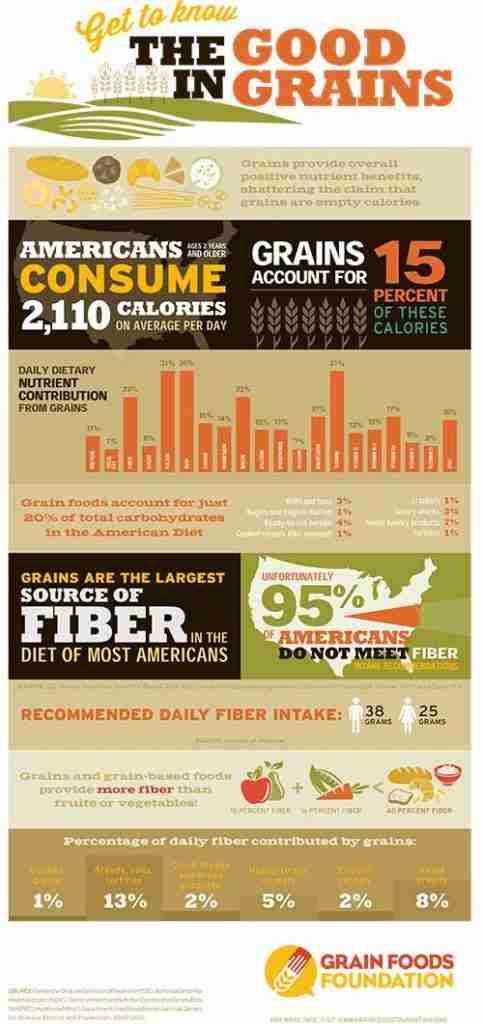
Parboiled rice is more than just a culinary preference; it embodies a fusion of flavor and nutrition that aligns perfectly with modern dietary needs. By undergoing a steaming process before being dried and hulled, this rice retains essential nutrients that are often lost in regular white rice. Among the highlighted advantages are its impressive fiber content, which supports digestive health, and its rich array of B vitamins, crucial for maintaining energy metabolism and neurological functions. Moreover, parboiled rice holds onto minerals such as magnesium and phosphorus, promoting better bone and cardiovascular health.
Another noteworthy aspect is its lower glycemic index, making it a smart choice for individuals managing blood sugar levels. Unlike its white counterpart, parboiled rice releases glucose more steadily into the bloodstream. This characteristic not only enhances energy levels throughout the day but also aids in weight management, allowing one to feel fuller for longer. Specifically, the combination of complex carbohydrates and fiber can help in controlling appetite effectively. In essence, by incorporating parboiled rice into daily meals, one can enjoy a healthier option that nourishes the body while delighting the palate.
Cultivation Techniques for Optimal Rice Quality: Insights from Experts
To achieve exceptional quality in parboiled rice, a meticulous approach to cultivation is essential. Experts emphasize the importance of selecting high-yield varieties that are resistant to pests and diseases. This not only maximizes the harvest but also significantly enhances the grain’s nutritional profile. Implementing an effective water management system is crucial, as rice is predominantly grown in flooded fields. Maintaining ideal water levels ensures optimal growth and promotes grain plumpness, ultimately affecting the cooking and taste of the rice. Moreover, soil health plays a vital role; practices such as crop rotation and the use of organic fertilizers can lead to richer nutrient availability, fostering stronger plants.
Another essential factor in cultivating quality parboiled rice is the timing and methods of harvesting. Experts recommend harvesting during the right moisture conditions to prevent grain breakage while ensuring the best post-harvest processing. Following harvest, the parboiling process, where grains are partially boiled in the husk, significantly enhances the nutritional value and shelf-life of rice. This technique not only improves the texture and flavor but also aids in the retention of vitamins and minerals. To further optimize the quality of final products, thorough cleaning and proper drying techniques are critical. Adopting these practices ensures that the journey from field to table is one that highlights the rich, wholesome character of parboiled rice.
Sustainability in Rice Production: Recommendations for a Greener Future
As the world embraces a more eco-conscious approach to agriculture, rice production stands at the forefront of this transformation. The adoption of innovative farming techniques not only promotes crop yield but also often mitigates environmental impacts. By implementing water-saving irrigation practices, such as alternate wetting and drying (AWD), farmers can significantly reduce water consumption while ensuring optimal growth conditions for rice plants. Additionally, integrating crop rotation and intercropping strategies enhances soil health and promotes biodiversity, helping to create a resilient agricultural ecosystem.
Furthermore, the utilization of organic amendments, like compost and green manure, can enrich soil fertility and reduce reliance on synthetic fertilizers. Creating a closed-loop system, where waste products are repurposed as resources, fosters sustainability in rice farming. Other essential practices include:
- Precision agriculture: Utilizing technology to monitor crop health and soil conditions can minimize resource use.
- Integrated pest management (IPM): Reducing chemical inputs while enhancing pest control through natural predators.
- Seed variety selection: Choosing resilient, drought-tolerant rice varieties can improve yields under changing climate conditions.
| Practice | Benefit |
|---|---|
| AWD Irrigation | Reduces water usage by up to 30% |
| Organic Fertilizers | Enhances soil health and fertility |
| Crop Rotation | Improves biodiversity and pest control |
In Retrospect
As we close the chapter on the journey of the parboiled rice plant, we find ourselves at the intersection of tradition and innovation, where grains once dormant beneath the soil have risen to nourish not just bodies, but cultures and cuisines across the globe. From the sunlit fields where each stalk bends under the weight of ripening kernels to the bustling mills that echo with the sounds of transformation, the story of parboiled rice is a testament to the intricate dance between nature and humanity.
This versatile grain, steeped in history yet ever-evolving, invites us to reflect on the broader implications of agricultural practices, sustainability, and our role in the ecosystem. As we revel in the rich textures and subtle flavors that parboiled rice brings to our tables, let us also appreciate the labor and ingenuity that go into its production. The humble rice plant has traversed beyond mere sustenance; it embodies resilience, adaptability, and the heart of countless communities.
every grain tells a story—a narrative shaped by soil, seed, and the spirit of those who cultivate it. So, as you savor your next serving of parboiled rice, take a moment to honor the journey of this remarkable grain, for it is not just food; it is a bridge connecting us to the land, to each other, and to the traditions that weave our intricate tapestry of life.



