
Cereal milling, the age-old practice of transforming grains into the breakfast staple we all know and love, is truly an art form. From the meticulous selection of grains to the precision of the milling process, each step is carefully crafted to bring out the best flavors and textures in our morning bowl of cereal. Join us as we delve into the intricate world of cereal milling, exploring the journey from grain to table and the craftsmanship that goes into each and every crunchy bite.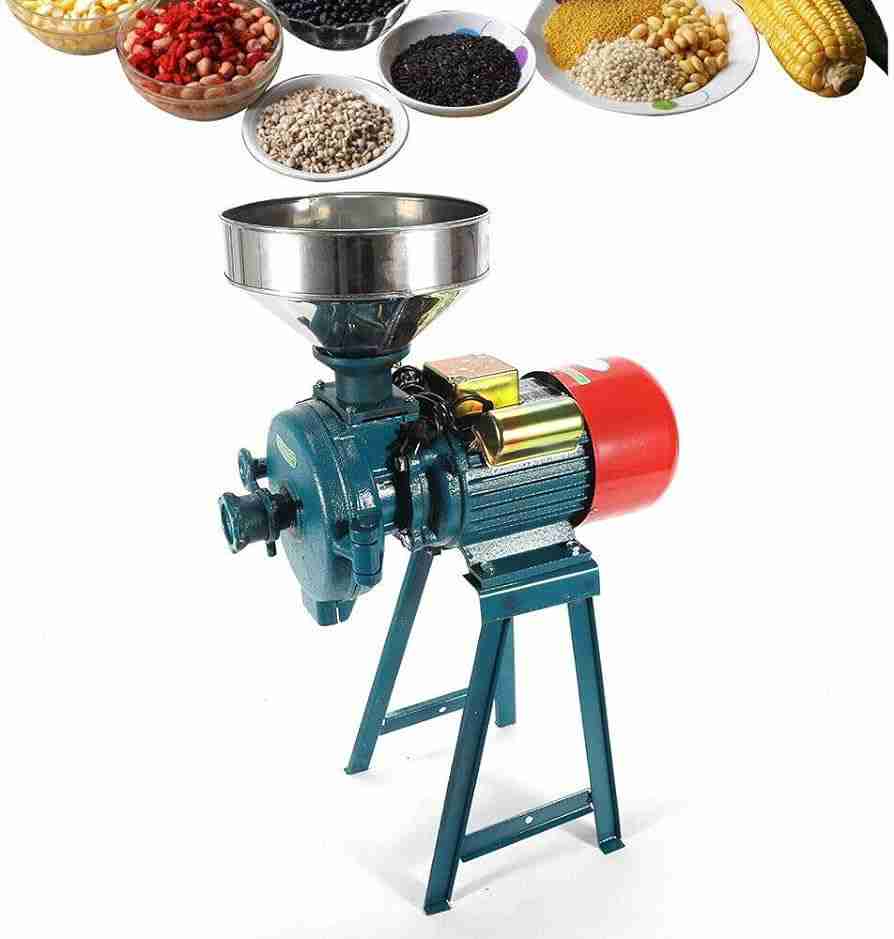
The Fascinating World of Cereal Milling
Cereal milling is a centuries-old practice that involves transforming grains into the delicious breakfast staple we all know and love. From the moment the grain is harvested to the final product on your table, a series of intricate processes take place to ensure the highest quality cereal possible. The art of cereal milling combines tradition, technology, and precision to deliver the perfect bowl of cereal every time.
During the cereal milling process, grains such as wheat, oats, and corn are cleaned, tempered, cracked, and ground to produce the various types of cereal products we enjoy. The milling process removes the outer hull of the grain, separates the bran and germ, and finely grinds the endosperm to create the flour used in cereals. Each step in the process is carefully monitored to ensure the optimal texture, flavor, and nutritional value of the final product. Whether it’s crispy flakes, hearty granola, or fluffy oatmeal, cereal milling is truly an art form that brings joy to breakfast tables around the world.

Unveiling the Secrets Behind Grain Processing
Grain processing is an ancient art that has been perfected over centuries. From the moment the grain is harvested, it undergoes a series of intricate steps to transform it into the staple foods we enjoy on our tables. The process of cereal milling is a delicate balance of science and tradition, where each step plays a crucial role in preserving the nutritional value, flavor, and texture of the grains.
One of the key secrets behind grain processing is the use of different milling techniques to extract the various parts of the grain. Each part, such as the bran, germ, and endosperm, contains its own unique blend of nutrients and flavors. By carefully separating and recombining these components, millers are able to create a wide variety of products, from fluffy white flours to hearty whole grain mixes. This attention to detail ensures that every grain that reaches our tables is not only delicious but also packed with essential vitamins, minerals, and fiber to nourish our bodies.

Choosing the Right Milling Techniques for Optimal Results
When it comes to the art of cereal milling, selecting the right techniques is crucial for achieving optimal results. Different grains require different approaches to ensure that the end product meets the desired quality standards. By understanding the characteristics of the grain and the desired outcome, milling techniques can be tailored to maximize efficiency and quality.
One key factor to consider when choosing milling techniques is the desired texture of the final product. Whether you’re aiming for a coarse or fine texture, the milling process must be adjusted accordingly. Additionally, factors such as moisture content, grain hardness, and particle size distribution should also be taken into account. By carefully selecting the right techniques, millers can transform grains into a wide range of products, from fluffy pancakes to hearty breads, ensuring that each bite is a delicious experience.

Exploring the Journey from Field to Breakfast Bowl
The journey of cereal milling is a fascinating process that brings grains from the field to our breakfast bowls. It all begins with the careful selection of high-quality grains, such as wheat, oats, or corn, that are harvested at peak ripeness.
These grains are then cleaned and sorted to remove any impurities before being sent to the milling process. During milling, the grains are ground into flour using specialized equipment to achieve the desired texture and consistency. The flour is then sifted to remove any remaining bran or germ, resulting in the smooth and fine powder that is commonly used in breakfast cereals.
Closing Remarks
In conclusion, the art of cereal milling is a fascinating and complex process that transforms grains into the breakfast staple we all know and love. From the careful selection of grains to the precise milling techniques, each step is essential in creating the perfect bowl of cereal. So the next time you pour yourself a bowl, take a moment to appreciate the craftsmanship and dedication that goes into bringing that cereal from grain to table. Enjoy your breakfast!



