
Rice, the staple food of billions around the world, is a fundamental ingredient in countless cuisines. From fragrant jasmine to nutty basmati, the diversity of rice varieties is vast and each requires a unique process to transform it from harvested grain to a ready-to-eat product. In this comprehensive guide, we will dive into the fascinating world of rice milling, exploring the intricate steps and machinery involved in the journey from paddy to plate. Join us as we uncover the inner workings of rice mills and gain a deeper understanding of this essential food processing industry.
Understanding the Basics of Rice Milling Process
Rice milling is a crucial step in the production of rice, ensuring that the grains are properly processed and ready for consumption. This process involves several key stages that work together to transform raw rice into the polished grains we see on our plates. Understanding the basics of rice milling can help gain insight into the intricate process behind this staple food.
One essential stage in rice milling is cleaning, where the raw rice is thoroughly washed and rid of any impurities such as dust, stones, or husks. After cleaning, the rice undergoes the milling process, where the outer husk is removed to reveal the brown rice underneath. This brown rice then goes through further milling to remove the bran layers and germ, resulting in the familiar white rice we are all familiar with. Each step in the rice milling process is carefully executed to produce high-quality rice that meets industry standards and consumer expectations.
Exploring Different Types of Rice Milling Machines
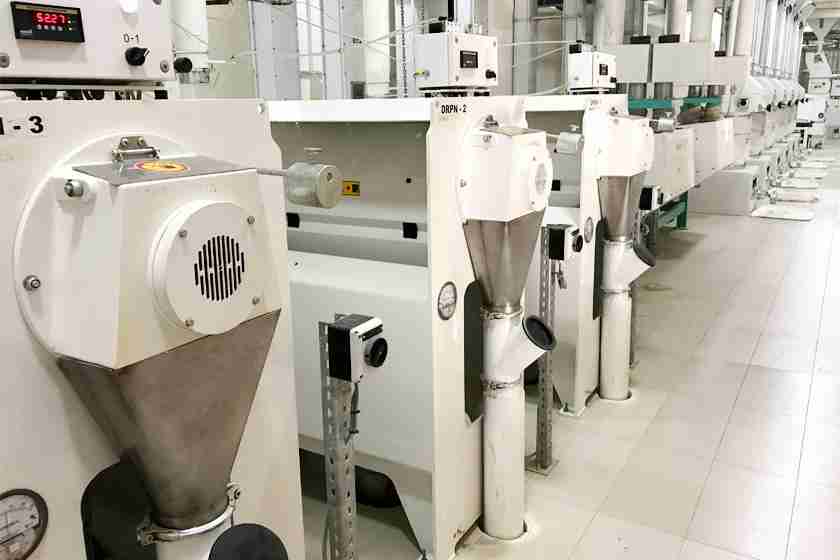
When it comes to milling rice, there is a wide variety of machines available on the market to choose from. One popular type is the vertical emery roller rice mill machine, which is known for its efficient and high-quality rice output. This type of machine uses emery rollers to remove the husk from the rice grains, resulting in a clean and polished finish. Another common option is the horizontal rice milling machine, which is known for its versatility and durability. This machine is ideal for milling different types of rice varieties and can be easily adjusted to produce different levels of polishing.
For those looking for a more advanced option, the combined rice milling machine is a great choice. This machine combines the functions of both the vertical emery roller mill and the horizontal rice mill, offering users the best of both worlds. Additionally, the rice whitener machine is another popular choice among rice mill owners. This machine is designed to further polish the rice grains, resulting in a glossy finish that is appealing to consumers. With so many options available, rice mill owners can easily find the perfect machine to suit their needs and preferences.

Effective Strategies for Improving Rice Milling Efficiency
When it comes to improving rice milling efficiency, there are several key strategies that can be implemented to streamline the process and increase productivity. One effective strategy is to invest in modern milling equipment that is designed to maximize output and minimize waste. Upgrading to state-of-the-art machines such as hullers, polishers, and graders can help reduce processing time and improve the quality of the final product.
Another important strategy is to optimize the milling process by implementing best practices such as proper moisture control, grain cleaning, and sorting. By ensuring that the rice grains are in optimal condition before milling, you can achieve higher yields and better quality rice. Additionally, implementing regular maintenance schedules for equipment and conducting regular inspections can help prevent breakdowns and downtime, ultimately leading to increased efficiency and profitability for your rice milling operation.
Utilizing Technology for Modern Rice Milling Operations
In today’s fast-paced world, the utilization of cutting-edge technology has revolutionized the rice milling industry, making operations more efficient and sustainable. With the integration of advanced machinery and software, modern rice mills are able to process grains with precision and speed, ensuring high-quality output that meets the demands of the market. By investing in state-of-the-art equipment such as color sorters, paddy separators, and dehuskers, mill operators can streamline their production process and increase their overall productivity.
Furthermore, the incorporation of automation and digitization in rice milling operations has not only improved efficiency but also enhanced traceability and quality control. By implementing digital monitoring systems and sensors, mill owners can track every step of the milling process in real-time, ensuring consistency and minimizing wastage. Additionally, the use of data analytics software allows for better decision-making and optimization of resources, ultimately leading to higher profitability and customer satisfaction. By embracing technology in rice milling, companies can stay ahead in the competitive market while maintaining sustainability and product integrity.
In Retrospect
As we wrap up our comprehensive guide to diving into the world of rice milling, we hope you’ve gained valuable insights into the intricate process of turning raw paddy into the polished grains we all love to enjoy. From the initial cleaning and dehusking to the final polishing and packaging, rice milling is a fascinating journey that requires skill, precision, and dedication. Whether you’re a novice curious to learn more or a seasoned professional seeking to refine your techniques, there’s always something new to discover in the world of rice milling. So next time you sit down to enjoy a steaming bowl of rice, take a moment to appreciate the countless hands and meticulous processes that went into bringing it to your plate. Happy milling!



