
In the heart of sprawling green fields where rice paddies sway in the breeze, innovation is quietly reshaping the future of agriculture. As the demand for food surges alongside a growing global population, the traditional methods of cultivation and harvesting are giving way to cutting-edge technology designed to increase efficiency and sustainability. Enter paddy processing machines, the unsung heroes of modern agriculture, which are revolutionizing not only how rice is processed but also how communities thrive. This article explores the transformative impact of these machines on the agricultural landscape, examining how they enhance productivity, reduce labor, and contribute to a more sustainable food system. Join us as we delve into this agricultural evolution, uncovering the potential that lies within modern technology to secure the future of one of the world’s most essential grains.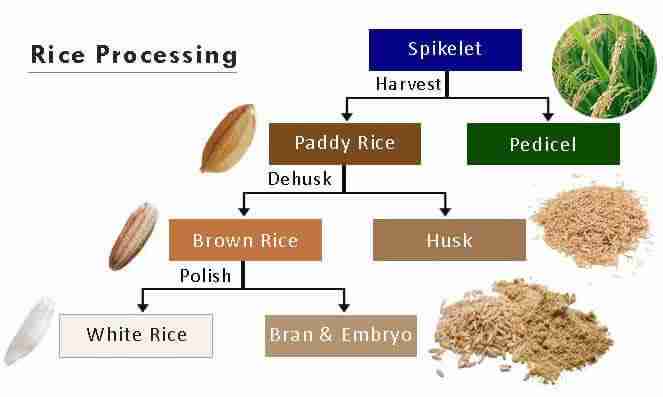
Advancements in Paddy Processing Technology and Their Economic Benefits
The landscape of paddy processing technology has undergone significant transformation, leading to heightened efficiency and productivity. Modern processing machines utilize automation and precision engineering, enabling farmers to convert paddy into high-quality rice more swiftly than traditional methods. By integrating features such as moisture control and automatic grading, these machines not only enhance product quality but also reduce waste, thereby maximizing output. Furthermore, energy-efficient designs have become a hallmark of new equipment, helping to lower operational costs and promote sustainable practices within the agricultural sector.
Economically, the introduction of advanced paddy processing technology has proven to be beneficial on multiple fronts. Farmers experience higher profit margins due to increased yield and reduced labor costs, allowing for reinvestment into their operations. Moreover, the local economy flourishes as new jobs are created in manufacturing, maintenance, and, significantly, in the processing facilities themselves. The following table highlights some key economic benefits associated with the latest paddy processing technologies:
| Benefit | Description |
|---|---|
| Increased Efficiency | Machines reduce processing time, improving throughput. |
| Cost Savings | Lower energy consumption translates to reduced operational costs. |
| Quality Improvement | Automated grading ensures uniform quality, enhancing market competitiveness. |

Enhancing Efficiency: How Modern Machines Transform Rice Production
Modern machines play a pivotal role in transforming rice production, addressing the challenges faced by farmers and enhancing overall productivity. The introduction of mechanized threshers, reapers, and color sorters has revolutionized the way rice is harvested, processed, and packed. These advanced pieces of equipment not only minimize the physical strain on workers but also significantly reduce the time required for each stage of the production process. For example, a traditional manual harvesting method can take days, whereas a mechanical reaper can cut down vast fields in mere hours, illustrating the massive time-saving potential of these innovations.
Moreover, precision agriculture technology further optimizes rice production by integrating data and analytics directly into farming practices. Farmers can now utilize GPS-guided tractors and drones to monitor crop health, soil conditions, and water levels, leading to more informed decision-making. Some benefits of these modern techniques include:
- Increased Yields: Precision farming leads to better resource management, resulting in healthier crops and enhanced output.
- Cost Efficiency: Reduction in labor costs and resource wastage translates to greater profitability for rice producers.
- Sustainability: Advanced technology promotes sustainable farming methods by optimizing input usage and reducing environmental impact.
As these machines continue to evolve, the landscape of rice production is being reshaped into a more sustainable and efficient enterprise. The ability to track performance data over time enables farmers to refine their strategies, ensuring that every aspect of rice cultivation benefits from modern advancements. Below is an overview of key technologies and their impacts on rice production:
| Technology | Impact on Production |
|---|---|
| Mechanical Threshers | Reduces labor costs and time spent on post-harvest processing. |
| GPS-guided Tractors | Enhances precision in tillage and planting, improving yield consistency. |
| Drones | Facilitates real-time monitoring of crops for better pest and disease management. |
Sustainable Practices in Paddy Processing: Balancing Productivity and Environmental Health
In the quest for higher efficiency in paddy processing, the integration of sustainable practices has emerged as a crucial focal point. Innovative machines designed to reduce energy consumption not only enhance productivity but also mitigate environmental footprints. By utilizing technologies such as solar-powered dryers and biomass-powered hullers, farms can minimize dependency on fossil fuels, thus promoting a cleaner energy cycle. Furthermore, techniques like water-saving milling processes ensure that water resources are preserved, contributing to the overall health of local ecosystems.
The shift towards sustainable paddy processing also emphasizes waste management and resource optimization. Implementing strategies such as recycling husk waste for biomass energy or converting by-products into organic fertilizers not only empowers farmers economically but also supports soil health. The benefits extend beyond the farm gate; local communities gain access to cleaner air and soil, as reduced waste translates to fewer pollutants affecting surrounding habitats. Below is a brief overview of the key sustainable practices and their impact:
| Practice | Impact |
|---|---|
| Solar-Powered Dryers | Reduce energy costs and greenhouse gas emissions |
| Water-Conserving Milling | Minimize water usage, enhancing water availability |
| Biomass Hullers | Utilize waste for energy, decreasing fossil fuel reliance |
| Organic Waste Recycling | Improve soil health, enrich local ecosystems |
Future Directions: Innovations on the Horizon for the Agricultural Sector
As the agricultural landscape continues to evolve, the introduction of cutting-edge paddy processing machines is paving the way for enhanced productivity and sustainability. These innovations are set to revolutionize the way rice is harvested, husked, and milled, leading to significant time and labor savings. Emerging technologies such as automated sorting systems and solar-powered machines aim to minimize waste and reduce the carbon footprint associated with rice production. The integration of artificial intelligence in paddy processing enables farmers to better analyze crop quality, thereby optimizing the utilization of resources and maximizing yield.
Additionally, the future of paddy processing is likely to be shaped by the incorporation of smart farming techniques that leverage IoT devices. This interconnectivity can facilitate real-time monitoring of machinery, allowing for predictive maintenance and reducing downtime. By embracing this tech-savvy approach, farmers can ensure that their processing equipment operates at peak efficiency while also cutting costs. Collaboration between tech companies and agricultural experts will be vital to developing these solutions, resulting in a transformative impact on food security and sustainability in the agricultural sector.
| Innovation | Benefit |
|---|---|
| Automated Sorting Systems | Enhances grain quality and reduces human error |
| Solar-Powered Machines | Minimizes dependency on fossil fuels, lowering emissions |
| Artificial Intelligence Integration | Allows for better quality analysis and resource allocation |
| IoT Devices | Facilitates real-time machinery monitoring and predictive maintenance |
Final Thoughts
As we stand on the cusp of a new agricultural era, the innovations in paddy processing machines signal a transformative shift in how we approach farming and food production. These machines not only enhance efficiency but also empower farmers, reduce waste, and improve the quality of rice—a staple that feeds billions worldwide. As we embrace technology in agriculture, it becomes clear that the fusion of tradition and innovation is essential for sustainable growth.
The journey of paddy processing is just beginning, driven by a commitment to harnessing machinery that respects the land while maximizing its potential. By investing in these advancements, we are not only nourishing our present but also sowing the seeds for a more prosperous future. As we look ahead, it is vital that we continue to explore and adapt, ensuring that the legacy of our agricultural practices evolves hand in hand with the innovations that support them. The impact of paddy processing machines extends far beyond the fields; it symbolizes hope for food security, sustainability, and a thriving agricultural community. The revolution in agriculture is not just about machines; it’s about the promise of a better tomorrow.



