
In the heart of agriculture, where tradition meets innovation, rice mills stand as pivotal pillars of the grain processing industry. As the world’s most consumed staple food, rice demands not only careful cultivation but also adept milling techniques to ensure quality and efficiency. Whether you’re a farmer looking to refine your yield or an entrepreneur seeking to invest in a rice milling business, selecting the right rice mill can significantly impact both the final product and operational costs. In this guide, we will explore the essential factors to consider when choosing a top rice mill, blending insights on technological advancements, efficiency metrics, and quality assurance practices. Embarking on this journey will empower you to make informed decisions, ultimately paving the way toward a thriving rice milling operation that meets the demands of today’s market. Join us as we delve into the vital aspects that define the best rice mills and help you cultivate success in this dynamic industry.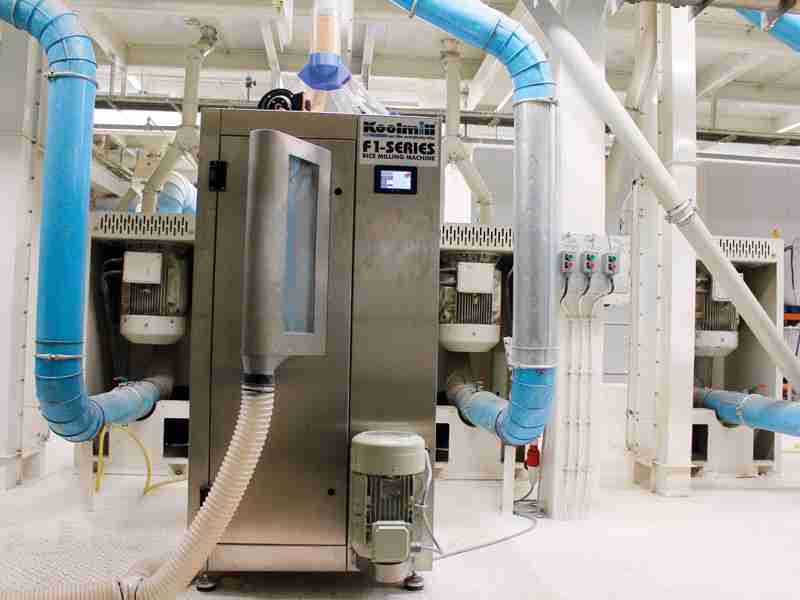
Evaluating Essential Features for Optimal Rice Milling Performance
When navigating the complex world of rice milling, understanding the fundamental attributes that contribute to optimal performance is crucial. A rice mill’s efficiency is not just dictated by its design or power; various components work in harmony to ensure quality results. Key features to evaluate include:
- Capacity: Assess the mill’s throughput capabilities to match your production needs.
- Durability: Prioritize machines made from high-quality materials that withstand rigorous use.
- Ease of Use: Look for user-friendly controls and maintenance routines, which can simplify operations.
- Technology: Cutting-edge features such as automation can significantly enhance efficiency.
- Energy Consumption: Choose energy-efficient machines to reduce operational costs.
| Feature | Importance | Considerations |
|---|---|---|
| Capacity | High | Match mill size to production demand |
| Durability | Medium | Long-term investment in quality materials |
| Ease of Use | High | Minimize training and operational complexity |
| Technology | High | Embrace innovation for greater throughput |
| Energy Consumption | Medium | Evaluate long-term utility cost savings |
As you evaluate potential rice mills, it’s essential to consider not just these specific features but also how they integrate with your existing practices. A mill with advanced technology may provide exceptional output, but compatibility with your local rice varieties and processing conditions can greatly influence your operational efficiency. Additionally, consulting user reviews can offer insights into real-world performance, helping to ensure the choice made is not only based on specifications but also practical feedback from other mill operators.
Understanding Grain Quality: The Key to Successful Rice Production
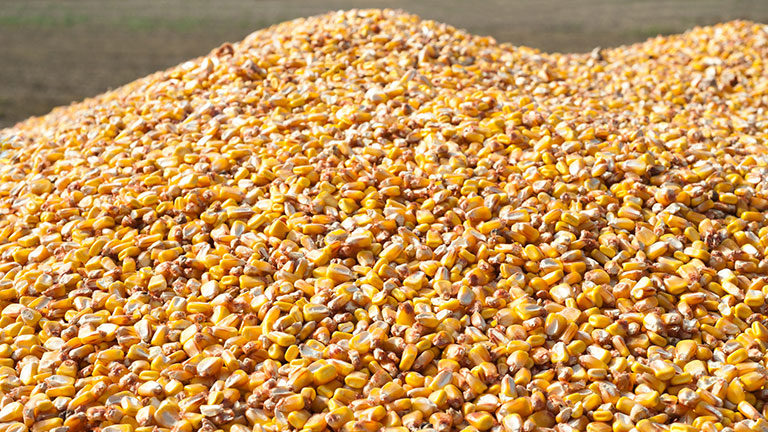
When it comes to rice production, understanding grain quality is essential for achieving optimal yields and maximizing profitability. High-quality rice not only fetches better market prices but also enhances the reputation of the producer. Key factors influencing grain quality include kernel size, shape, color, and moisture content. Each of these parameters plays a critical role in determining the end-use of the rice, whether for cooking, processing, or export. To ensure a premium product, rice producers should prioritize selecting seeds with desirable traits and employ farming techniques that promote healthy grain development.
Furthermore, investing in the right milling equipment can make all the difference in preserving grain quality post-harvest. A top-tier rice mill should incorporate advanced technology for hulling, sorting, and polishing, processes that minimize breakage and maximize the yield of whole grains. Additionally, utilizing mills equipped with automated systems can enhance efficiency while reducing wastage. Consider the following factors when choosing a rice mill:
- Capacity: Ensure the mill can handle your production volumes.
- Energy efficiency: Opt for models that reduce operational costs.
- Maintenance: Select mills known for durability and easy upkeep.
- Technology integration: Look for features like moisture sensors and quality control systems.
Assessing Technological Advancements in Modern Rice Mills
In the pursuit of maximizing quality and efficiency in rice production, the adoption of cutting-edge technology has revolutionized modern rice mills. These advancements not only enhance the milling process but also ensure superior quality control, which is essential for meeting consumer demands. Key features of technologically advanced rice mills include:
- Automated Milling Systems: These systems minimize human intervention, leading to consistent output and reducing the chances of errors.
- Quality Monitoring Sensors: Real-time feedback mechanisms help maintain grain quality by detecting imperfections during processing.
- Energy Efficient Machines: New machinery uses less power, contributing to lower operational costs and a reduced carbon footprint.
Additionally, a comparative analysis of traditional versus modern rice milling technologies reveals significant benefits in efficiency and yield rates. The following table highlights some of the distinct advantages:
| Feature | Traditional Mills | Modern Mills |
|---|---|---|
| Production Rate | Low | High |
| Quality Consistency | Variable | Stable |
| Operational Costs | Higher | Lower |
| Environmental Impact | More Waste | Reduced Waste |
These innovations underscore the importance of selecting the right equipment for improved efficiency and output quality, ultimately leading to a more sustainable and profitable operation in the rice milling industry.
Sustainability Considerations: Choosing Eco-Friendly Milling Solutions
As the global community becomes increasingly aware of environmental issues, selecting a rice milling solution that prioritizes sustainability is essential. Eco-friendly milling technologies not only minimize the carbon footprint but also promote better resource management. When evaluating milling options, consider the following criteria:
- Energy Efficiency: Opt for mills that utilize renewable energy sources or are designed for lower energy consumption.
- Water Management: Evaluate systems that recycle water or require minimal water during the milling process.
- Waste Reduction: Choose equipment that generates less waste or repurposes byproducts, such as husks and bran.
- Material Selection: High-quality mills made from sustainable materials can contribute to reduced environmental impact.
In addition to technology and infrastructure, the overall impact of your milling operation can be measured through a sustainability assessment. This assessment typically factors in emissions, energy use, and waste management practices. Here’s a simplified table to illustrate essential sustainability metrics for comparative analysis:
| Milling Solution | Energy Source | Water Use (liters/kg) | Waste Generation (%) |
|---|---|---|---|
| Solar-Powered Mill | Renewable | 1.5 | 5 |
| Diesel-Powered Mill | Non-renewable | 3.0 | 15 |
| Electric Mill | Mixed | 2.0 | 10 |
Choosing a rice mill that adheres to sustainability practices will not only yield high-quality output but also ensure that producers can contribute positively to the environment. Making an informed decision brings about a ripple effect, potentially encouraging other industry players to adopt environmentally friendly practices.
The Conclusion
As we conclude our exploration of selecting the top rice mill, it’s clear that the journey toward optimal quality and efficiency requires careful consideration and informed decision-making. The right rice mill is not merely a machine; it represents an investment in the future of your operations, productivity, and ultimately, your business success. By assessing factors such as technology, capacity, and sustainability, you pave the way for enhanced milling processes and superior output.
Remember, the key lies in aligning your specific needs with the capabilities of the milling equipment you choose. With the insights provided in this guide, you are now equipped to make educated choices that will serve you well in the long run. As the world of agriculture continues to evolve, keeping abreast of innovations in rice milling technology will ensure that you remain competitive and resilient.
the perfect rice mill is one that not only meets your current requirements but also adapts to your future aspirations. May your pursuit of excellence in milling lead you to the right solution and propels you toward greater achievements in the field. Happy milling!



