
Understanding Cereal Milling: The Art of Grain Transformation
Grain, in its raw form, is a humble seed, an unrefined treasure waiting to reveal its potential. From the golden fields of wheat to the vast expanses of corn, the journey from crop to consumable is both an ancient practice and a modern marvel. Milling, the art of grain transformation, serves as the bridge between these two worlds, turning untouched grains into the flour, meal, and grits that form the backbone of culinary traditions worldwide. This intricate process—rooted in history yet continually evolving with technology—encompasses a rich tapestry of methods, machinery, and masterful techniques that unlock the flavors, textures, and nutritional benefits of cereal grains. As we delve into the fascinating world of cereal milling, we will explore its history, methodologies, and the science behind the transformation, offering a deeper understanding of how this craft shapes the food we consume every day. Join us on this enlightening journey that celebrates the alchemy of grain and the skilled hands that have perfected its milling.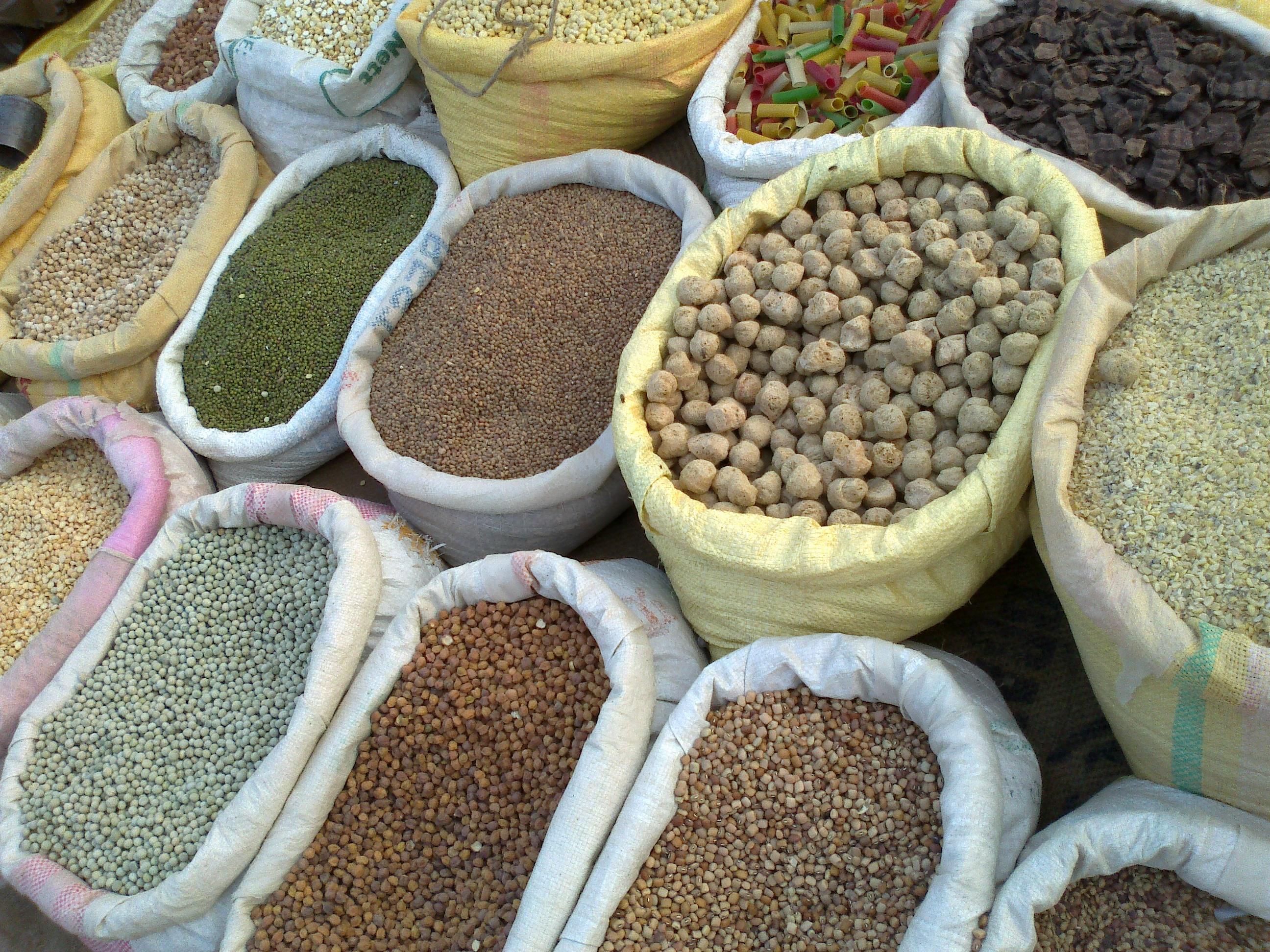
The Journey of Grain: From Harvest to Mill
Once the golden grains are ready for harvest, the meticulous journey begins, melding nature’s bounty with human craftsmanship. Farmers diligently cut the ripened crops, ensuring that every ear of grain is harvested at its prime for optimal quality. After the initial collection, the grains undergo a series of steps designed to prepare them for their eventual role in nutrition and culinary delights. Each moment in this transformation is essential, as coinciding factors such as weather and timing play a pivotal role in the eventual quality of the flour produced.
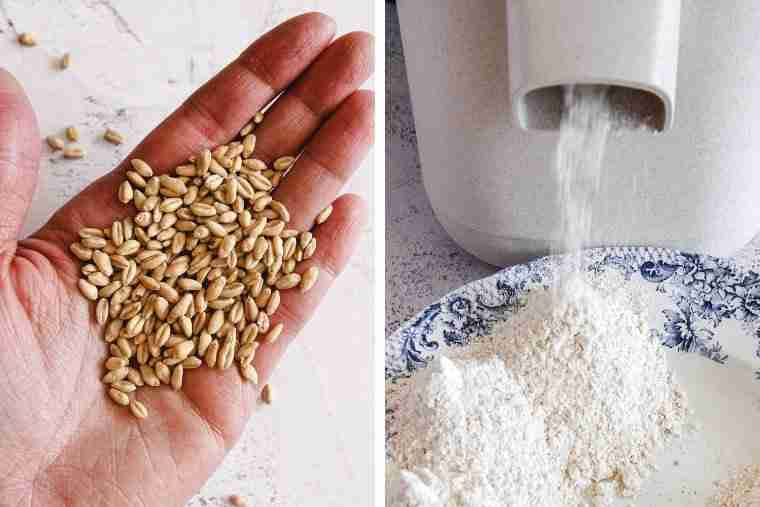
After harvesting, the grains are transported to the mill where the real magic unfolds. Here, the grains undergo thorough cleaning, removing impurities and ensuring only the best kernels make it to the next stage. The milling process itself is a careful orchestration of techniques that includes:
- Tempering: Moistening grains to prepare for grinding.
- Grinding: Reducing grains to flour, often in multiple passes.
- Sifting: Separating fine flour from coarser particles.
- Blending: Mixing various flour types for desired characteristics.
This meticulous procedure enables the millers to create flour with varying textures and qualities, offering a spectrum of options for bakers and chefs alike.
| Grain Type | Common Uses | Nutritional Benefits |
|---|---|---|
| Wheat | Breads, Pastas | High in protein and fiber |
| Rye | Rye Bread, Crackers | Rich in antioxidants |
| Oats | Granola, Oatmeal | Heart-healthy, full of protein |
Essential Techniques in Cereal Milling: Crafting Quality Products
The process of cereal milling is a delicate balance between art and science, requiring a mastery of various techniques to produce high-quality products. Grain selection is the first critical step, where milling professionals ensure that the grains are of superior quality, free from contaminants and defects. This choice influences the flavor, texture, and nutritional value of the final product. Once selected, the grains undergo cleaning and conditioning, where they are thoroughly washed and brought to optimal moisture levels. This step is essential, as it prepares the grain for milling by making it easier to break down, thus enhancing the extraction of flour and reducing dust creation during the milling process.
Following preparation, the most vital techniques involve the milling itself. Grinding can be conducted using various methods, such as roller milling or stone milling, each presenting unique advantages and characteristics. In roller milling, the grain is passed through a series of steel rollers, producing finely milled flour with precise granulation. Alternatively, stone milling employs traditional methods to create coarser flour that retains the grain’s natural oils and nutrients. To further ensure quality, continuous monitoring and quality control are established, allowing millers to assess flour characteristics such as protein content and particle size. This meticulous attention to detail guarantees a consistent and superior final product tailored to customer needs.
| Milling Technique | Advantages | Characteristics |
|---|---|---|
| Roller Milling | High efficiency, uniform granulation | Finely milled, lower moisture content |
| Stone Milling | Traditional flavor, retains nutrients | Coarser texture, richer flavor |
Innovative Machinery and Their Impact on Milling Efficiency
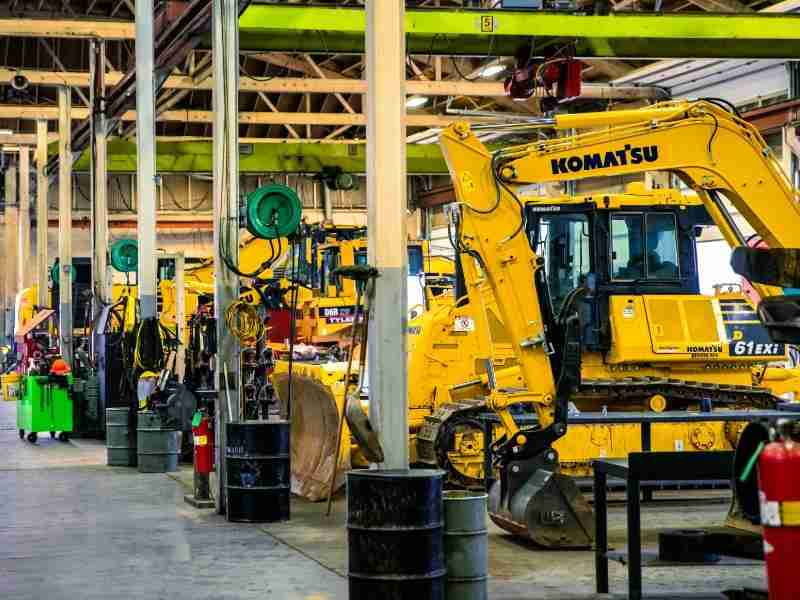
As the milling industry evolves, innovative machinery plays a pivotal role in redefining efficiency standards. Advanced technologies such as roller mills, stone mills, and hammer mills are now equipped with precision controls and automation features that contribute to a more streamlined workflow. These modern machines enable millers to achieve better extraction rates while minimizing energy consumption. The integration of real-time monitoring systems allows operators to adjust parameters instantly, ensuring consistency and quality in grain processing. Key benefits include:
- Enhanced throughput: Increased production capacity through faster milling cycles.
- Reduced waste: Optimal grain utilization results in lower material loss.
- Improved flour quality: Uniform particle size enhances baking performance.
Moreover, the adaptation of smart technology in milling machinery is ushering in a new era of sustainability. Equipment now features energy-efficient motors and low-impact designs, which not only lower operational costs but also reduce environmental footprints. Additionally, these machines can incorporate AI and machine learning to refine milling strategies continuously. Through predictive maintenance, millers can avoid unexpected downtimes and consequent losses, leading to more predictable output. A closer look at the transformative features showcases:
| Feature | Impact |
|---|---|
| Smart sensors | Automated adjustments for optimum performance |
| Energy-saving designs | Lower operational costs and carbon footprint |
| Advanced control systems | Enhanced precision and quality of final products |

Sustainability in Milling: Practices for a Greener Future
In the pursuit of a greener future within the milling industry, several innovative practices are gaining traction. These methods not only enhance efficiency but also minimize the ecological footprint of the milling process. Key approaches include:
- Energy Optimization: Implementing energy-efficient machinery and technologies can significantly reduce energy consumption, contributing to a lower carbon footprint.
- Waste Management: Adopting advanced waste management techniques, such as repurposing milling by-products into animal feed or biofuels, can facilitate a circular economy.
- Water Conservation: Utilizing closed-loop water systems in cooling and cleaning processes can lessen water wastage while maintaining optimal operational efficiency.
Moreover, education and collaboration are pivotal in driving sustainability initiatives in milling. Stakeholders can invest in research and development to discover alternative raw materials that require less resource-intensive processing. Industry partnerships are essential for sharing best practices and technologies. The table below illustrates some sustainability benchmarks that can guide mills in their greening efforts:
| Benchmark | Target Percentage |
|---|---|
| Energy Reduction | 20% by 2025 |
| Water Reduction | 30% by 2025 |
| Waste Utilization | 50% repurposing by 2030 |
Key Takeaways
In the intricate dance of cereal milling, grains undergo a remarkable transformation, evolving from humble seeds into essential ingredients that nourish our daily lives. As we’ve explored the multifaceted processes involved—grinding, sifting, and blending—it’s clear that this art is both a science and a craft, rooted in tradition yet continuously adapting to our ever-changing world.
Understanding cereal milling not only deepens our appreciation for the foods we often take for granted, but it also highlights the critical link between agriculture and the culinary arts. Each step of the milling process holds the potential to elevate a simple grain into a cornerstone of nutrition, flavor, and culture.
As we conclude our journey through the world of cereal milling, let it serve as a reminder of the expertise and dedication that goes into every bag of flour, every bowl of breakfast oats, and every loaf of bread. The next time you sit down to enjoy a meal, take a moment to reflect on the journey of those grains, transformed by the skilled hands of millers who have mastered the art of grain transformation. In every delicious bite lies a story, waiting to be savored.



