
Introduction
In the heartland of America, where golden fields sway in the breeze, corn stands tall as nature’s abundant gift to humanity. With its hushed whispers in the wind, this versatile grain has long transcended its humble origins to become a cornerstone of agriculture, industry, and cuisine. From sweet corn kernels that grace our tables to the myriad of products derived from corn processing, this remarkable plant represents an intricate tapestry of transformation and innovation. As we delve into the fascinating world of corn processing, we uncover the myriad ways in which this golden staple is converted into essential goods that nourish, sustain, and enhance our daily lives. Join us on a journey to explore how a simple crop metamorphoses into an array of versatile products, underpinning a vast range of industries and reshaping our understanding of consumption in the 21st century.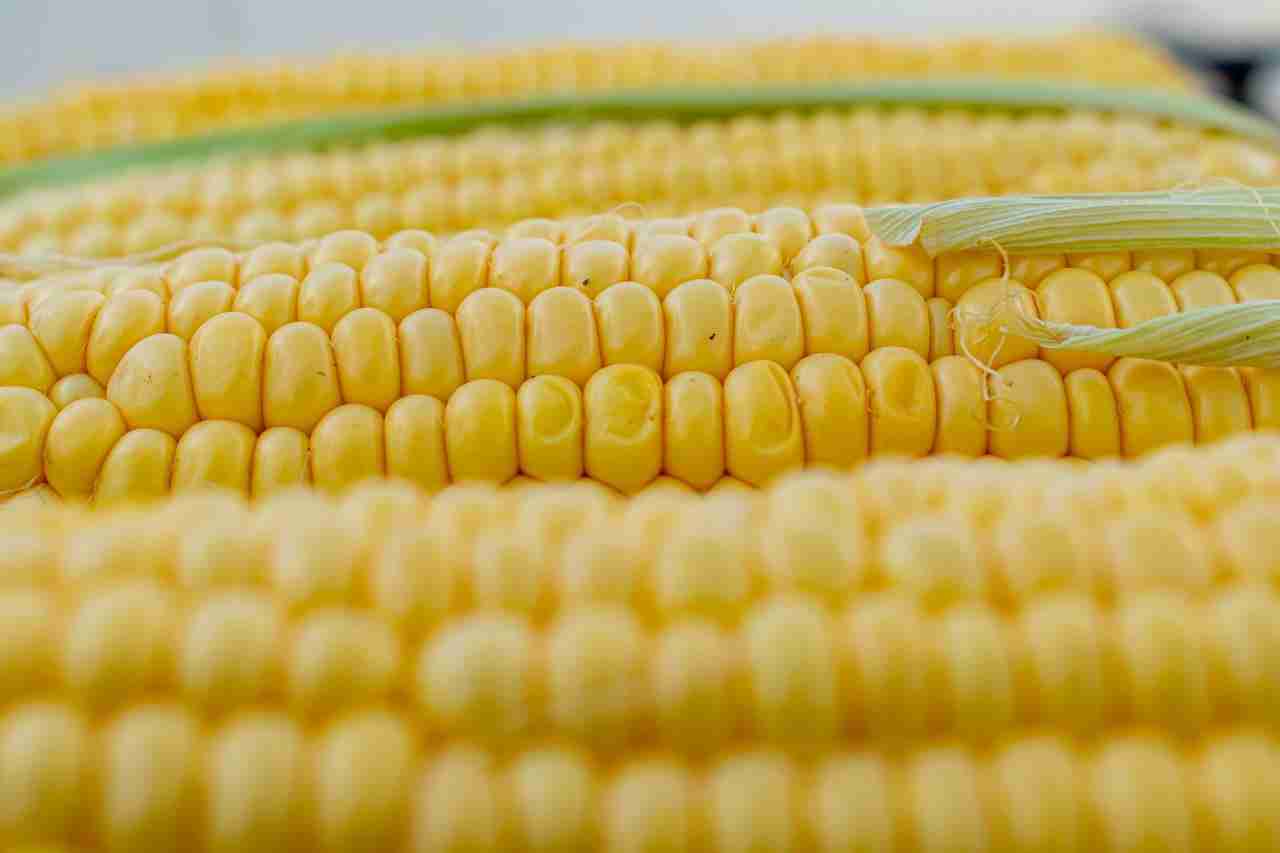
Understanding the Dual Role of Corn in Food and Industry
Corn has long been celebrated as a staple of food production, serving various culinary roles around the world. Its versatility extends far beyond mere meals, as it can be transformed into a multitude of derivatives that can enrich our diets. For example, corn is the primary ingredient for products like:
- Cornmeal, the foundation for cornbread and tortillas
- High-fructose corn syrup, a sweetener prevalent in sodas and snacks
- Popcorn, a beloved treat for movie-goers
- Corn oil, used for cooking and frying
However, the utility of corn is not confined to food alone. This remarkable crop also plays a significant role in various industrial arenas, showcasing its capacity to be transformed into sustainable materials. Consider the following applications of corn in industry:
- Biofuels, such as ethanol, produced to power vehicles
- Bioplastics, which offer an alternative to petroleum-based products
- Pharmaceuticals, where corn-derived components find applications
- Cosmetics, with corn starch often serving as a base ingredient

Innovative Techniques in Corn Processing: From Kernel to Creation
In today’s fast-paced world, the demand for sustainable and efficient methods in corn processing has led to the development of groundbreaking techniques that enhance both the yield and utility of this vital crop. One such innovation is dry milling, a method that not only preserves the integrity of the whole kernel but also enables the extraction of various byproducts such as cornmeal, grits, and coarse flours. This process optimizes energy use and minimizes waste, aligning with modern ecological standards. Another remarkable advancement is wet milling, which breaks down the kernels into their components, allowing producers to create a myriad of products including high-fructose corn syrup, corn starch, and even biodegradable plastics. As technological advancements propel the industry forward, harnessing enzymes and fermentation processes has made it possible to convert corn into biofuels that are both cost-effective and environmentally friendly.
Furthermore, the adoption of pulsed electric fields (PEF) in corn processing is revolutionizing the way industries extract valuable compounds from kernels. This technique applies short bursts of electric pulses to enhance the permeabilization of cell membranes, thereby increasing the yield of oils and proteins while reducing processing time and resource consumption. Similarly, the integration of smart sensors and data analytics into the processing landscape allows for real-time monitoring and precise control, ensuring optimal conditions for every phase of production. Through collaborations within the industry, there is also a growing emphasis on sustainable sourcing and traceability, enabling consumers to make informed choices about their corn-derived products. With these innovative methodologies, corn processing is not just about the transformation of raw material but also about creating a sustainable ecosystem that values efficiency, quality, and versatility.
| Technique | Benefits |
|---|---|
| Dry Milling | Energy-efficient, preserves kernel integrity, creates diverse products. |
| Wet Milling | Produces high-fructose corn syrup, versatile byproducts, supports sustainable practices. |
| Pulsed Electric Fields | Higher yields, reduced processing time, minimizes waste. |
| Smart Sensors | Real-time monitoring, precise control, enhances quality assurance. |

Sustainability in Corn Production: Balancing Demand and Environmental Impact
As global populations continue to burgeon, the demand for corn surges, necessitating a careful scrutiny of how this staple is produced. While corn serves as a crucial food source, its cultivation is often linked with significant environmental consequences, primarily due to the extensive use of fertilizers and pesticides. To mitigate these effects, sustainable practices are being adopted in corn production that focus on maintaining soil health, reducing chemical inputs, and embracing crop rotation strategies. Some of these practices include:
- Conservation Tillage: This method minimizes soil disturbance, enhancing moisture retention and reducing erosion.
- Integrated Pest Management (IPM): By combining biological control methods with reduced pesticide use, producers can protect their crops sustainably.
- Organic Farming: This approach eschews synthetic fertilizers and pesticides, focusing instead on natural amendments and biological pest control.
Moreover, advancements in technology are paving the way for innovative solutions that promote efficiency without compromising environmental integrity. Precision agriculture utilizes data-driven techniques to optimize field-level management regarding crop farming. By employing sensors and GPS, farmers can apply inputs with extreme accuracy, leading to a reduced environmental footprint and enhanced yields. These technologies not only support corn production but also contribute positively to wider ecological goals. Below is a comparison of traditional farming versus precision agriculture in corn production:
| Farming Method | Input Usage | Yield Efficiency | Environmental Impact |
|---|---|---|---|
| Traditional Farming | High | Variable | Higher |
| Precision Agriculture | Optimized | Higher | Lower |

Exploring the Future of Corn-Based Products: Trends and Opportunities
The landscape of corn-based products is rapidly evolving, driven by sustainability and innovation. As we delve into new processing techniques, corn is not merely food anymore; it is transitioning into a myriad of functional materials and sustainable alternatives. Recent advancements in biotechnology and food science have enabled the extraction and modification of corn derivatives to create products that meet diverse consumer needs. Key trends shaping this future include:
- Biodegradable Plastics: Developed from corn starch, these plastics are gaining traction as a sustainable alternative to petroleum-based options.
- Food Additives: Corn’s natural properties are being harnessed for creating texture enhancers, sweeteners, and flavorings.
- Animal Feed Alternatives: Innovations are also finding corn-based substitutes in animal nutrition, optimizing health and growth.
Additionally, the integration of advanced biofuels into the energy market is showcasing corn’s versatility beyond traditional grains. It is not just a food crop; it serves as a critical player in combating climate change by reducing greenhouse gas emissions. The following table highlights some emerging corn-based innovations and their applications:
| Innovation | Application |
|---|---|
| Corn Starch Plastic | Eco-friendly packaging solutions |
| High-Fructose Corn Syrup | Sweetener in processed foods |
| Bioethanol | Renewable energy source |
| Corn-Based Biodegradable Products | Utensils, bags, and other disposables |
In Retrospect
the journey of corn from field to factory encapsulates the ingenuity of human innovation and the versatility of nature’s bounty. As we unravel the myriad processes that transform this golden grain into an array of products, it becomes evident that corn is far more than a staple food; it is a cornerstone of our economy and an essential ingredient in countless facets of our daily lives. From sweeteners and biofuels to bioplastics and pharmaceuticals, the possibilities are seemingly endless. As we continue to explore sustainable practices and advancements in corn processing, we not only honor the agricultural heritage but also pave the way for a future where nature’s gifts are utilized responsibly and creatively. After all, in the world of corn processing, transformation is not just a process—it’s a promise of innovation and an opportunity for growth.



