
In the heart of the grain industry lies a fascinating interplay between art and science: the ancient craft of cereal milling. From the moment wheat is harvested to the final transformation into flour, the journey is a meticulous balance of tradition and innovation. With each turn of the millstone, the grains release their potential, offering bakers and chefs a world of culinary possibilities. This article invites you to explore the intricate techniques and technologies that define cereal milling, shedding light on the methods that have evolved over centuries while embracing modern advancements. Join us as we delve into the nuances of this process, uncovering the craftsmanship behind your favorite breads, pastries, and cereals, and revealing how the precision of milling not only shapes texture and flavor but also influences nutrition and sustainability in our food systems.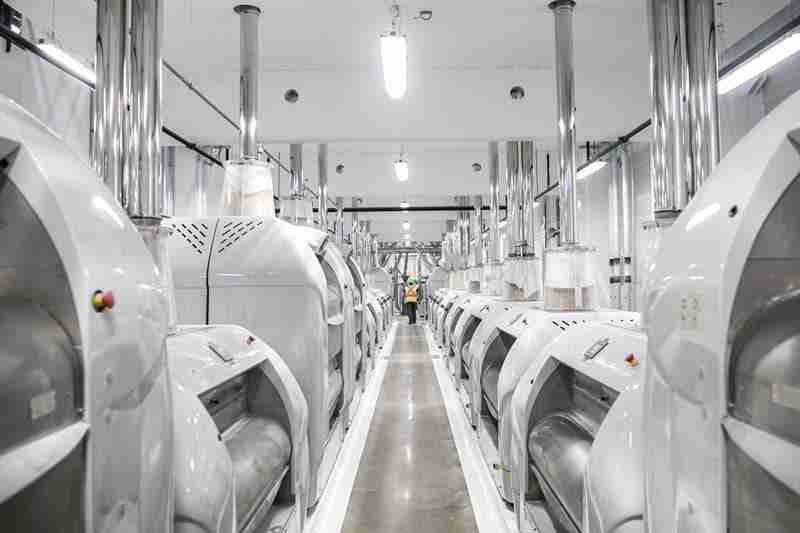
Understanding the Fundamentals of Cereal Milling Processes
The art of cereal milling is a complex interplay of science and tradition, where grains are transformed into a myriad of finely ground products suitable for cooking, baking, and other culinary applications. At its core, milling involves several critical processes that work together to separate the edible parts of a grain from the inedible husk and bran. These processes can be divided into primary stages that include cleaning, conditioning, milling, and separation. Each stage plays a vital role in ensuring the quality of the final product, which can then be used for various food applications.
The cleaning process is essential as it removes impurities, dust, and foreign materials that could compromise the end product’s quality. Once cleaned, the grains undergo conditioning, where moisture levels are adjusted to prepare them for effective milling. The milling stage can be further divided into crushing, grinding, and sifting, employing different types of machinery to achieve the desired texture. in the separation phase, flour and other by-products are categorized based on their particle size. This careful categorization allows millers to produce a variety of flour types that meet diverse culinary needs, ranging from fine pastries to hearty bread.
| Stage | Description |
|---|---|
| Cleaning | Removes impurities and contaminants from grains. |
| Conditioning | Moisture adjustment for effective milling. |
| Milling | Crushing, grinding, and sifting to create flour. |
| Separation | Categorizes flour by particle size for diverse uses. |
Key Techniques for Enhancing Grain Quality and Yield
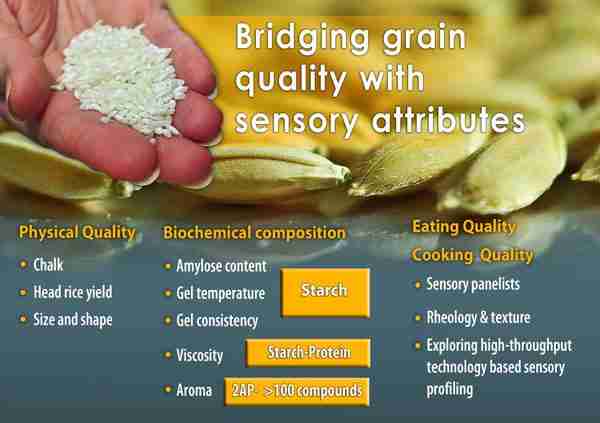
Enhancing grain quality and yield requires a deep understanding of both traditional practices and modern innovations in cereal milling. To achieve optimal results, farmers and millers can implement a variety of techniques that focus on the grain’s biological and physical properties. One effective method is precision agronomy, which involves using technologies such as GPS and soil sensors to monitor crop conditions and apply resources like fertilizers and water more efficiently. This targeted approach allows for better plant health, leading to improved yield and grain quality. In addition, crop rotation plays a vital role in soil fertility and pest management, ensuring that the grains produced are healthier and of higher quality.
In the milling process itself, the selection of equipment and techniques significantly impacts the end product. The use of advanced roller mills coupled with precise settings can produce flour with a specific particle size distribution that meets customer demands. Furthermore, incorporating cleaning and conditioning processes before milling helps remove impurities and optimizes moisture content, thereby enhancing overall grain quality. The table below summarizes some key milling techniques and their impact on grain quality and yield:
| Technique | Impact on Quality | Impact on Yield |
|---|---|---|
| Precision Agronomy | Enhanced plant health | Increased output |
| Crop Rotation | Improved soil fertility | Stronger yields |
| Advanced Roller Mills | Consistent flour quality | Efficient processing |
| Cleaning and Conditioning | Higher purity | Maximized output |

Innovations in Milling Technology and Their Impact on Production
In recent years, advancements in mill technology have redefined the landscape of cereal production, making processes more efficient and sustainable. The introduction of automated milling systems has transformed traditional methods by integrating robotics and artificial intelligence, allowing for precise control over milling parameters. This not only optimizes grain processing but also significantly reduces waste. Key innovations include:
- Smart Sensors: Monitoring moisture content in real-time for optimized milling.
- Advanced Grinding Technologies: Utilizing high-efficiency stone milling or roller mills tailored for specific grain types.
- Batch Tracking Solutions: Ensuring traceability from grain sourcing to final product delivery, enhancing quality control.
Moreover, the environmental impact of milling has been considerably minimized through the adoption of energy-efficient systems and innovative waste management solutions. Using energy from renewable sources, such as solar or wind, mills are becoming more eco-friendly. Additionally, new processes recycle by-products, transforming them into value-added goods like animal feed or biofuels. A glimpse of these advancements can be captured in the table below:
| Innovation | Impact |
|---|---|
| Automated Control Systems | Increased precision and reduced labor costs |
| Energy Recovery Systems | Lower energy consumption and reduced carbon footprint |
| Digital Supply Chain Management | Improved logistics and enhanced product tracking |

Best Practices for Sustainable and Efficient Cereal Milling
To achieve sustainable and efficient cereal milling, it’s vital to adopt modern technologies and practices that minimize waste and enhance productivity. One approach is the implementation of energy-efficient machinery that reduces power consumption while maintaining optimal milling performance. Utilizing variable frequency drives (VFDs) allows millers to control the speed of motors, thereby adjusting energy usage based on production needs. Additionally, integrating real-time monitoring systems can help identify inefficiencies in the milling process, enabling timely adjustments to improve yields and reduce losses.
Furthermore, implementing a waste management strategy can significantly enhance sustainability. This includes repurposing by-products such as bran, which can be used as animal feed or incorporated into health foods. Establishing closed-loop systems allows mills to recycle water used in the milling process, minimizing environmental impact. Training staff on best practices in resource conservation not only motivates employees but also fosters a culture of sustainability within the organization. To summarize key practices:
| Practice | Description |
|---|---|
| Energy-efficient machinery | Reduces power consumption and operational costs. |
| Real-time monitoring | Allows for immediate adjustments to enhance milling efficiency. |
| Waste management | Repurposes by-products and reduces waste. |
| Closed-loop systems | Recycles resources, minimizing environmental impact. |
| Staff training | Promotes sustainable practices among employees. |
To Conclude
As we draw the curtain on our exploration of the intricate world of cereal milling techniques, we find ourselves at the intersection of art and science—a place where tradition harmonizes with innovation. The journey through the grains, from their very harvest to the final product, reveals a story written not only by the hands of skilled millers but also by the relentless pursuit of perfection and efficiency.
From the rhythmic motion of ancient grinding stones to the precision of modern milling technology, each technique carries a legacy rooted in both cultural heritage and scientific advancement. The meticulous processes behind transforming cereal grains into flour remind us of the ingenuity that has shaped our gastronomic history.
In this ever-evolving landscape, the future of cereal milling is poised for exciting transformations, driven by sustainability and a deeper understanding of grain properties. As we stand on the threshold of new possibilities, we encourage readers to appreciate the unseen craftsmanship that contributes to our daily bread.
So, the next time you sprinkle flour on your countertop or savor a bowl of cereal, take a moment to reflect on the journey of those humble grains. In every bite, there lies a testament to the artistry and precision of milling—an enduring tradition that continues to adapt and thrive in our modern world.



