
Unlocking Potential: The Inner Workings of Rice Mill Plants
In the heart of agricultural landscapes across the globe, a silent revolution unfolds. Rice, a staple food for over half of the world’s population, embarks on its transformative journey from paddy to plate within the vibrant confines of rice mill plants. These bustling hubs of activity are not merely industrial spaces; they are intricate ecosystems where raw grains undergo meticulous processes, each step meticulously designed to unlock the potential hidden within. As we delve into the inner workings of rice mill plants, we unveil the complex choreography of technology and tradition, exploring the methodologies that sustain this essential industry. Join us as we journey through the hushed corridors of milling machinery, uncovering the art and science behind turning paddy fields into the quintessential grains that nourish millions. Whether you’re an agricultural enthusiast, a food industry professional, or simply curious about the origins of your meal, this exploration promises to illuminate the pivotal role of rice mills in feeding the world and supporting livelihoods.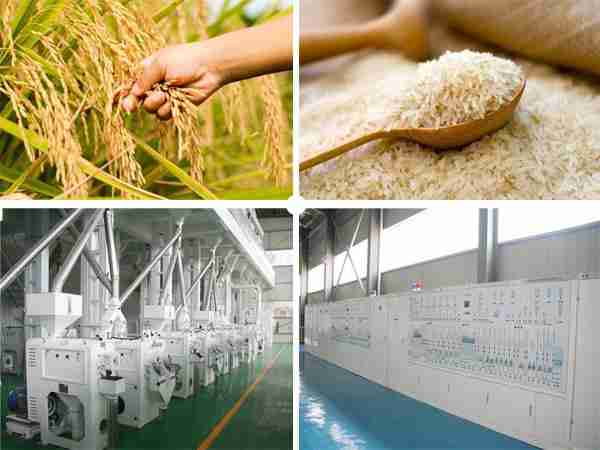
Understanding the Rice Milling Process and Its Impact on Quality
The rice milling process is a complex journey that transforms raw paddy into the polished grains we find in our kitchens. At its core, this process can be broken down into several meticulous stages, each crucial for determining the final quality of the rice. Initially, the raw paddy goes through cleaning, eliminating impurities such as stones, dust, and straw. Following this, the hulling stage removes the outer husk, producing brown rice. From there, the rice undergoes milling, where bran layers are stripped away to yield white rice, achieving the desired texture and appearance.
Throughout each of these stages, factors such as moisture content, milling speed, and equipment quality play pivotal roles in influencing the final outcome. For example, here are some attributes that can affect rice quality:
- Moisture Control: Optimal moisture levels help preserve the integrity of the grains.
- Milling Techniques: Different machines and methods can increase or decrease breakage rates.
- Quality of Inputs: Higher quality paddy usually results in better final products.
The technical precision employed in rice milling can be highlighted by the following comparison:
| Milling Method | Advantages | Disadvantages |
|---|---|---|
| Traditional Stone Mill | Careful milling, retains more nutrients | Lower efficiency, labor-intensive |
| Modern Machine Mill | High efficiency, uniform results | Potential for higher breakage |

Key Technologies Driving Efficiency in Modern Rice Mill Operations
Modern rice mill operations are significantly enhanced by a blend of innovative technologies that streamline processes and reduce waste. Central to this advancement is automated milling systems, which utilize state-of-the-art machinery to enhance precision during the milling process, ensuring minimal grain damage and higher yield rates. Additionally, integrated monitoring systems allow mill operators to track performance and efficiency through real-time data analysis. These technologies work in tandem to not only boost productivity but also improve the quality of the final product, as operators are equipped to make informed adjustments instantaneously.
Moreover, energy-efficient machinery plays a crucial role in reducing the overall operational costs of rice mills. By harnessing advancements such as IoT-enabled devices, mills can optimize energy consumption and monitor equipment health, leading to predictive maintenance and reduced downtime. The adoption of sustainable practices, like water recycling systems and waste-to-energy solutions, not only aligns with environmental regulations but also serves to enhance the operational efficiency of the facility. Below is a table showcasing some key technologies and their benefits:
| Technology | Key Benefit |
|---|---|
| Automated Milling Systems | Higher precision and yield |
| Integrated Monitoring Systems | Real-time performance tracking |
| Energy-Efficient Machinery | Reduced operational costs |
| Sustainable Practices | Environmental compliance and efficiency |
Sustainable Practices for Enhancing rice mill plant Performance
In the competitive landscape of rice milling, enhancing plant performance through sustainable practices is not just a trend but a necessity. Adopting eco-friendly methods can lead to increased efficiency and reduced operational costs. Utilizing renewable energy sources, such as solar or biomass, can significantly lower energy expenses while minimizing the carbon footprint. Furthermore, optimizing water usage through advanced filtration systems and closed-loop recycling processes helps conserve vital resources and reduces waste. This strategic approach not only aligns with environmental goals but also improves the plant’s operational metrics.
Another essential component of sustainable rice milling involves the implementation of waste management protocols that convert by-products into valuable resources. Techniques such as using rice husks and bran for biofuel production or animal feed not only enhance a plant’s sustainability profile but also diversify income streams. Incorporating advanced technology and automation allows for precise monitoring and control of milling processes, ensuring optimal performance while minimizing resource consumption. By focusing on these innovative practices, rice mill plants can unlock their full potential while contributing positively to both the economy and the environment.
Optimizing Workforce Training for Improved Production Outcomes
In the dynamic environment of rice mill plants, an effectively trained workforce can significantly elevate production levels. Emphasizing hands-on learning and practical applications of skills, companies can redefine their training processes to align with modern technological advancements. To achieve this, organizations should consider implementing a comprehensive training program that includes:
- On-the-Job Training: Pairing new employees with seasoned workers to foster knowledge transfer.
- Simulation Exercises: Utilizing virtual environments to practice operations without disrupting actual production.
- Continuous Learning Opportunities: Monthly workshops and access to online courses to encourage skill enhancement.
These strategies collectively lead to a workforce that is not only proficient in handling equipment but also adept at troubleshooting common issues, reducing downtime significantly. Monitoring training outcomes is also crucial. By employing a data-driven approach, managers can evaluate the effectiveness of training programs, with metrics such as:
| Training Type | Employee Efficiency (% Boost) | Production Downtime (Hours Saved) |
|---|---|---|
| On-the-Job | 25% | 15 hours |
| Simulation | 30% | 20 hours |
| Continuous Learning | 20% | 10 hours |
This quantifiable data not only aids in refining the training focus but also illustrates the direct correlation between employee education and production efficiency, thereby fine-tuning operational effectiveness in rice mill plants.
In Summary
In closing, the journey through the inner workings of rice mill plants reveals a complex tapestry of technology, tradition, and human ingenuity. Each grain of rice carries the potential for nourishment, cultural heritage, and economic growth, all of which depend intricately on the mill’s efficient operation. Understanding these processes not only highlights the significance of rice in our daily lives but also encourages a greater appreciation for the systems that bring this staple from field to table. As we continue to explore sustainable practices and innovative advancements in the milling industry, it becomes clear that unlocking potential goes beyond machinery—it involves nurturing the connections that bind us to our food, our communities, and our future. Let us embrace this knowledge, fostering a deeper respect for the rice that sustains millions and recognizing the unsung heroes behind the mill doors.



