
Unlocking Grain Potential: The Art of Maize Milling
In the bustling corridors of agriculture and food production, few ingredients hold as much significance as maize. Revered across continents for its versatility, this golden grain fuels economies, cultures, and culinary traditions alike. However, the journey from field to fork is not merely a matter of harvesting and cooking; it begins with a critical process that transforms raw maize into an array of valuable products. Enter the world of maize milling—a skillful blend of tradition and technology that unlocks the true potential of this staple crop. From the rhythmic sound of robust machinery to the delicate intricacies of grain processing, the art of maize milling is a multifaceted practice that shapes the quality, texture, and flavor of countless foods. In this exploration, we will delve into the techniques, innovations, and cultural significance of maize milling, illuminating how this age-old craft continues to evolve while meeting the demands of a modern world.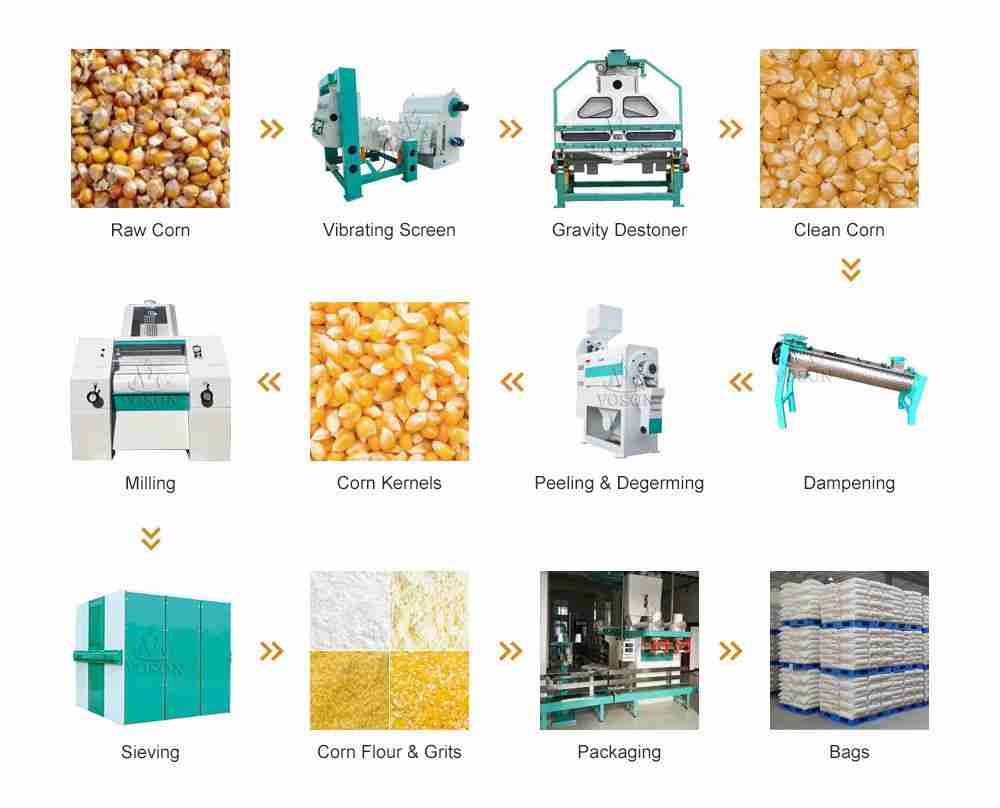
Exploring the Fundamentals of Maize Milling Techniques
Maize milling is an art that combines precision, technique, and an understanding of the grain itself. This process involves various methods that transform whole maize kernels into flour or meal, suitable for an array of culinary endeavors. The key to mastering maize milling lies in selecting the appropriate technique based on the desired final product. Common techniques include:
- Dry Milling: Involves grinding the whole grain without water, resulting in finely processed flour for baking and cooking.
- Wet Milling: A method that uses water to break down the maize, facilitating the extraction of starches, proteins, and oils.
- Stone Milling: A traditional technique that uses stone grinders to impart a unique texture and flavor.
- Hammer Milling: A more modern method that pulverizes the maize using rotating blades, producing a fine powder.
The choice of milling technique can dramatically affect the quality, flavor, and nutritional profile of the final product. To appreciate these nuances, let’s consider a comparison of the key attributes associated with different milling methods:
| Milling Technique | Texture | Use Case |
|---|---|---|
| Dry Milling | Fine | Baking, Cooking |
| Wet Milling | Varied | Starch extraction, Industrial use |
| Stone Milling | Coarse | Artisanal products |
| Hammer Milling | Fine to Medium | Animal feed, Flour production |
Understanding these techniques provides a foundation for unlocking the true potential of maize in various culinary contexts. Each method not only affects the product but also reflects the culture and traditions associated with maize use, showcasing the grain’s versatility across different regions and cuisines.
Harnessing Quality: Selecting the Best Maize Varieties for Milling
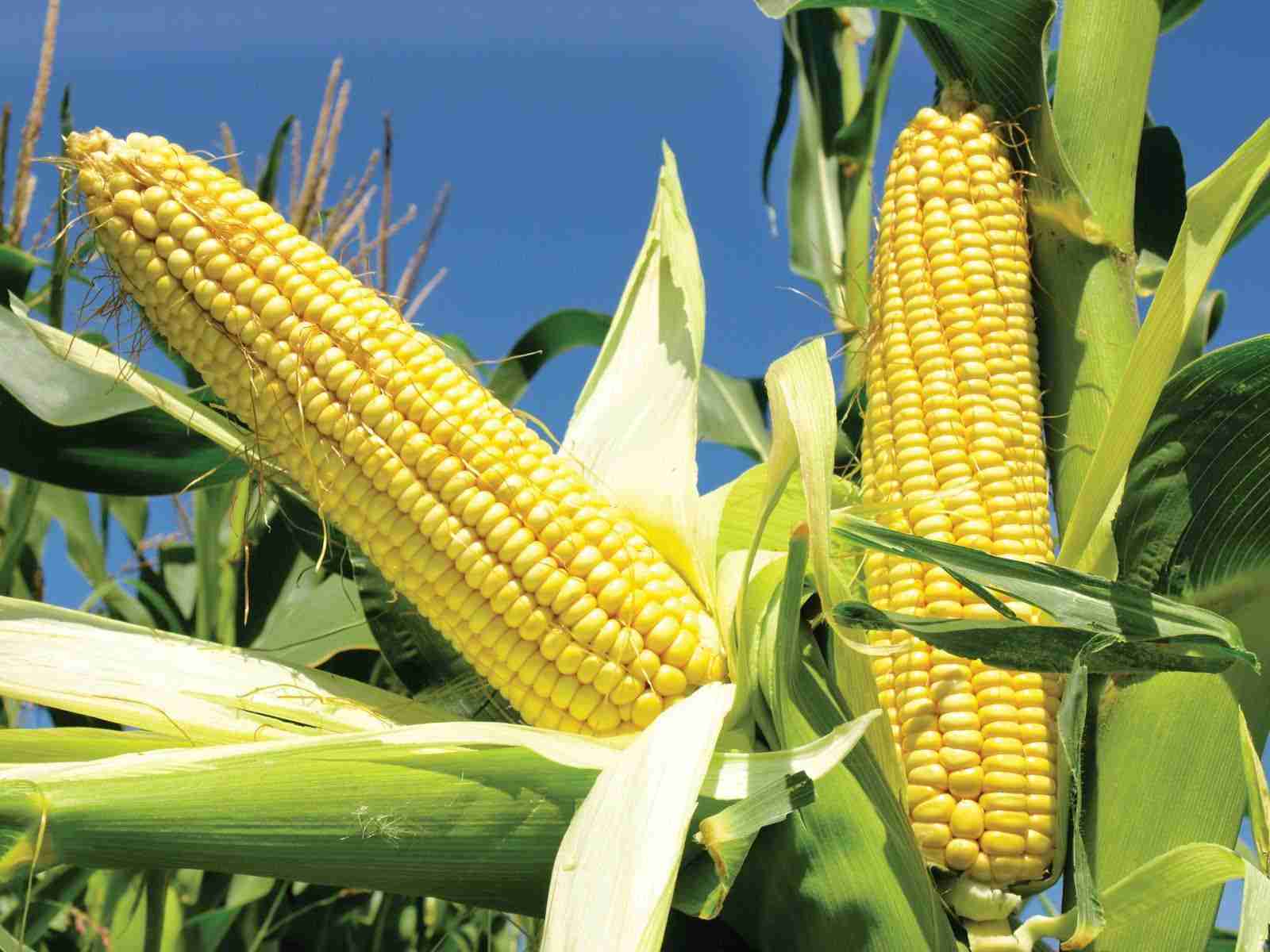
Choosing the right maize varieties for milling is a crucial factor that can significantly impact the quality and yield of milled products. Different varieties possess unique characteristics that affect their milling performance, such as kernel structure, moisture content, and starch composition. When selecting the best maize for your milling operations, consider these key attributes:
- Kernel Hardness: Harder kernels often yield finer flour and higher extraction rates.
- Moisture Levels: Optimal moisture content is essential for preventing spoilage and ensuring efficient milling.
- Grain Size: Consistent kernel size enhances milling uniformity and product quality.
Furthermore, evaluating the varieties against specific milling goals can further enhance productivity. The following table summarizes key maize varieties alongside their milling attributes:
| Maize Variety | Kernel Hardness | Moisture Content | Yield Potential |
|---|---|---|---|
| White Corn | Hard | 14% - 17% | High |
| Yellow Dent | Medium | 12% – 15% | Moderate |
| Flint Corn | Very Hard | 13% – 16% | Low |
By carefully assessing these factors, millers can harness the true potential of maize, producing high-quality flour that meets both consumer demands and industry standards. The art of milling begins with the selection of superior varieties, setting the stage for success in the milling process.

Mastering the Milling Process: Key Equipment and Best Practices
The milling process is both an art and a science, requiring precision and the right equipment to transform whole maize into high-quality flour. At the heart of this process lies a variety of milling machines, each designed to fulfill specific functions. Key equipment includes hammer mills, which break down grains with high-speed rotating blades, and roller mills, which crush maize through the application of pressure between two or more rollers. Furthermore, the inclusion of air classifiers helps separate particles by size, ensuring a consistent flour texture. It’s essential to maintain these machines meticulously to prevent contamination and ensure efficiency, with regular cleaning and calibration integral to quality control.
Best practices in maize milling extend beyond equipment maintenance to encompass the entire workflow. Successful milling operations will often implement a series of quality checks at various stages, ensuring that only the finest maize enters the milling process. Steps in this workflow might include:
- Raw Material Inspection: Assessing the quality of incoming maize.
- Moisture Control: Maintaining optimal moisture levels for efficient milling.
- Milling Parameters: Adjusting settings based on the desired flour type.
- Final Product Testing: Conducting tests to ensure flour meets specifications.
Utilizing both traditional and modern techniques can significantly enhance the milling process. The synergy between the equipment and best practices forms the backbone of an efficient milling operation. By continually evolving and adapting to new technologies and methodologies, millers can unlock the full potential of maize, resulting in superior flour that meets the demands of both consumers and bakers alike.
Enhancing Nutritional Value: Innovative Approaches in Maize Flour Production
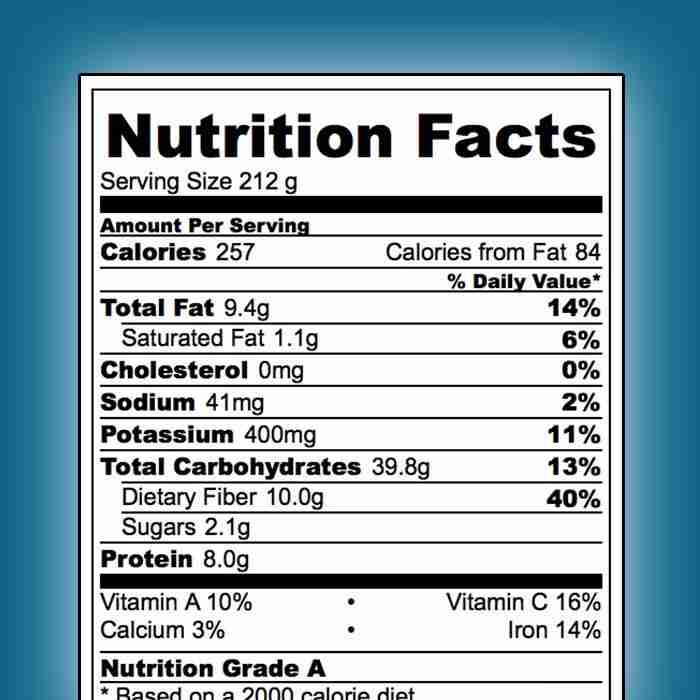
In the realm of maize flour production, enhancing nutritional value has become a focal point for both producers and consumers. Innovative approaches aim to maximize the health benefits of maize flour, spotlighting techniques such as fortification, which involves the addition of essential vitamins and minerals during the milling process. Some flour producers are also exploring the incorporation of functional ingredients, such as legumes and pseudocereals, to enrich the amino acid profile and increase protein content. This not only caters to the growing demand for healthier food options but also helps to combat nutritional deficiencies in vulnerable populations.
Moreover, post-harvest technology advancements play a crucial role in preserving the natural goodness of maize. Techniques like controlled drying and minimal processing ensure that key nutrients are retained, ultimately resulting in a higher quality product. Some milling facilities are now adopting whole grain processing, which utilizes the entire kernel, including the bran and germ, keeping the fiber content intact and fostering a more holistic approach to nutrition. As consumers become increasingly health-conscious, these enhancements are not only beneficial for individual well-being but also offer significant market advantages in a competitive industry.
| Innovation | Description |
|---|---|
| Fortification | Adding essential nutrients to maize flour |
| Functional Ingredients | Incorporating legumes and pseudocereals |
| Controlled Drying | Preserving nutrients during storage |
| Whole Grain Processing | Utilizing the entire maize kernel |
To Conclude
As we draw the curtains on our exploration of maize milling, it’s clear that this ancient practice is not merely a method of grain processing; it is a gateway to unlocking the full potential of one of the world’s most vital crops. From the rhythmic hum of the machinery to the tactile pleasure of transforming kernels into fine flour, the art of maize milling intertwines tradition and innovation. Each step in the milling process, from selecting the right variety of maize to the final grind, plays a crucial role in determining the quality and nutritional value of the end product, reflecting the craftsmanship behind this essential culinary staple.
As we navigate the complexities of modern agriculture and food production, understanding the nuances of maize milling empowers us to appreciate the journey our food undertakes from field to table. Whether you are a farmer dedicated to sustainable practices, a miller striving for excellence, or a consumer mindful of food sources, the art of maize milling invites all of us to engage more deeply with our food and the stories it tells.
In this era of conscious consumption, may we continue to explore and celebrate the vital art of milling, recognizing that within each kernel of maize lies the potential to nourish, create, and connect us all. As we close the pages on this discussion, we are reminded that the journey of maize is far from over; it is but a step in the ongoing narrative of agriculture and culinary innovation, waiting for the next chapter to unfold.



