
From Field to Meal: The Journey of Corn Processing Unveiled
As the sun rises over vast fields of golden corn, an age-old transformation begins, weaving a tale that spans nature, agriculture, and culinary mastery. Corn, a staple crop that nourishes millions around the globe, embarks on a remarkable journey from lush fields to our plates. This article invites you to explore the intricate process of corn processing—an evolution that has shaped food cultures and industries through the ages. We will delve into each stage of this journey, uncovering the technologies, techniques, and traditions that turn a humble grain into an essential ingredient in countless recipes. Join us as we unveil the hidden pathways that connect farm to fork, celebrating the versatility and significance of corn in our everyday lives.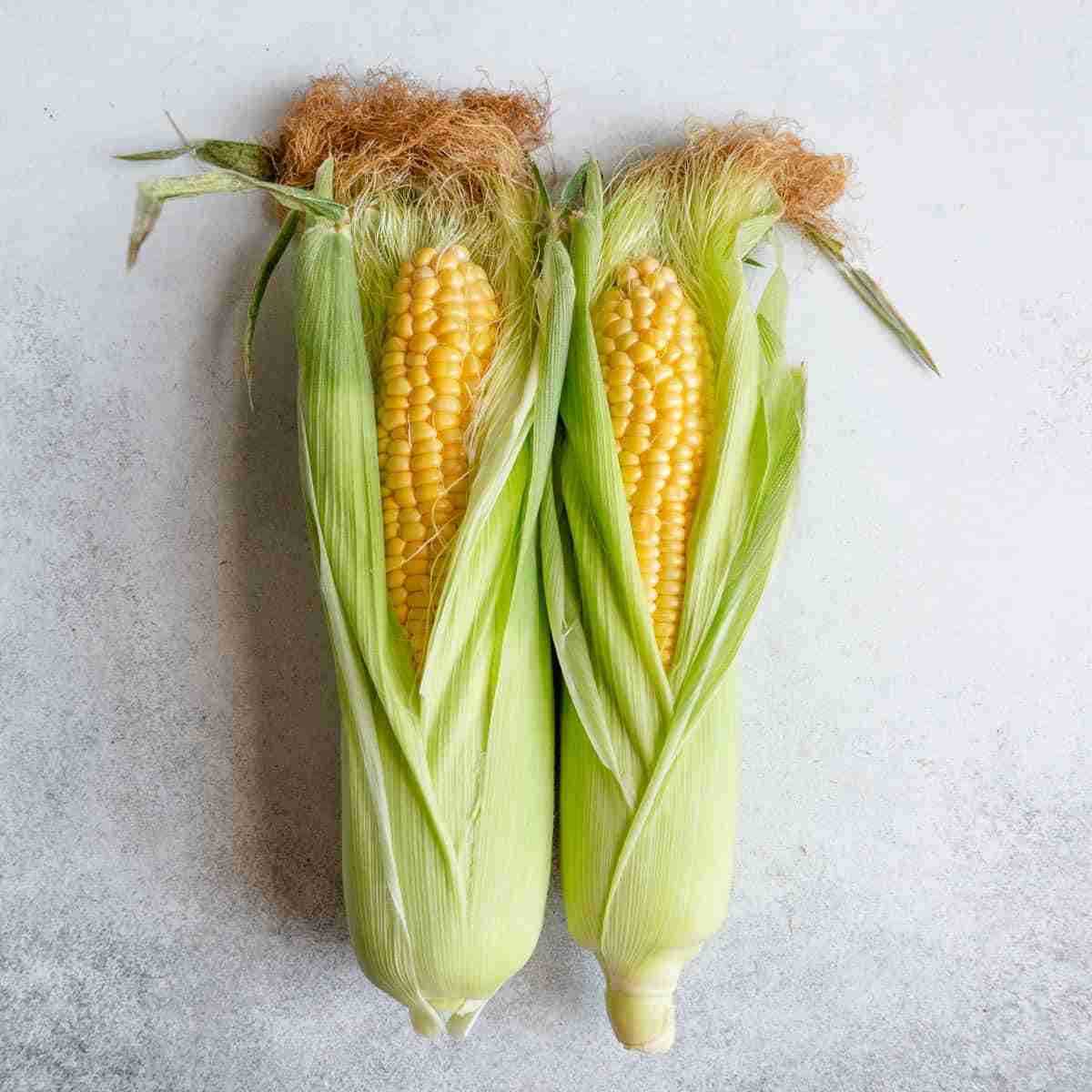
Exploring the Life Cycle of Corn: From Seed to Harvest
The journey of corn begins with a small seed, nestled in the rich, nourishing soil. As spring arrives, farmers prepare their fields, tilling the ground and ensuring the perfect conditions for planting. Each seed is sown with precision, creating rows that stretch as far as the eye can see. Throughout the growing season, sunshine, water, and nutrients work together to coax the tiny seeds into robust plants. This metamorphosis is a delicate dance between nature and agriculture, where the seeds sprout into vibrant green stalks, reaching heights of over 10 feet, and within a few months, begins the process of pollination—an essential phase for producing the ears of corn that will eventually be harvested.
As summer transitions to fall, the ears of corn become plump and ready for harvesting. Farmers take to their fields, equipped with advanced machinery that efficiently cuts and gathers the corn. After harvesting, the corn undergoes a thorough inspection to ensure quality before it proceeds to processing. Here, it is transformed into an array of products that enhance our meals, from cornmeal to corn syrup. The versatility of corn can be seen in many forms, making it a staple in our diets. Below is a brief overview of the common uses of corn post-harvesting:
| Product | Usage |
|---|---|
| Cornmeal | Baking and cooking |
| Corn syrup | Sweetener in food items |
| Animal feed | Livestock nutrition |
| Biofuel | Renewable energy source |
Innovative Techniques in Corn Processing and Their Impact
The journey of corn from field to meal has evolved dramatically, paved by innovative techniques that enhance efficiency and sustainability. One noteworthy advancement is the use of high-moisture corn (HMC) processing, which allows farmers to harvest and store corn with a higher moisture content. This method not only improves the nutritional quality of feed but also reduces the energy required for drying, ultimately leading to a more sustainable agricultural practice. Additionally, the implementation of enzymatic treatments in corn processing offers a more sustainable approach by breaking down corn’s complex carbohydrates into sugars, significantly enhancing the yield of biofuels and sweeteners. These techniques minimize waste and maximize resource utilization, benefiting both producers and consumers.
Another groundbreaking technique shaping the landscape of corn processing is the integration of biotechnology. Through genetic modification and selective breeding, new corn varieties have surfaced that are resistant to pests and diseases, reducing the reliance on chemical pesticides. Moreover, recent developments in precision agriculture utilize sensors and data analytics to optimize planting, watering, and harvesting practices, ensuring that every kernel of corn is cultivated in the most efficient manner possible. This data-driven approach not only increases yield but also promotes environmental sustainability, demonstrating that innovation in corn processing has far-reaching implications that transcend the agricultural sector.

Sustainability Practices: Reducing Waste in Corn Production
As sustainability continues to take center stage in agricultural practices, corn production is evolving to minimize its environmental impact significantly. Innovative approaches are being adopted to ensure that every stage of corn processing contributes to waste reduction. For instance, farmers are increasingly utilizing advanced technologies, such as precision agriculture, which optimizes resource use by applying exact amounts of water, fertilizers, and pesticides. This precision not only elevates crop yields but also curtails excess input, thus reducing the potential for waste. Additionally, crop rotation practices are being implemented to enhance soil health and reduce pest issues, leading to a decrease in chemical dependency.
On the processing side, sustainable practices are redefining waste management in corn production. Rather than discarding byproducts, many facilities are now converting them into valuable resources. By transforming corn husks and cobs into biodegradable packaging or biomass energy, operations are minimizing landfill contributions and fostering a circular economy. Here are some effective techniques being adopted in modern corn processing:
- Byproducts Utilization: Converting waste into energy or other products.
- Composting: Turning organic waste into nutrient-rich soil amendments.
- Water Recycling: Implementing systems to reuse water in processing.
| Waste Material | Recycled Product |
|---|---|
| Corn Husks | Biodegradable Packaging |
| Corn Cobs | Biomass Fuel |
| Soil Residues | Compost |

Culinary Transformations: How Corn Shapes Global Cuisine
Corn is more than just a staple crop; it acts as a culinary canvas, allowing cultures worldwide to paint their unique flavors and traditions. From the rich, creamy polenta of Italy to the vibrant street tacos of Mexico, the versatility of corn transcends borders. The myriad ways it can be processed—from grinding into flour to fermenting into masa—unlocks a world of possibilities. Each region adapts corn to its climate and culture, making it integral to local cuisine. For example, in the South of the United States, cornbread reflects the comfort of home cooking, while in Eastern Africa, ugali serves as a dietary foundation, showcasing corn’s unifying presence on dinner tables across the globe.
The journey of corn from field to meal is not just a transformation of ingredients, but a melding of history and innovation. As it undergoes transformation, corn takes various forms that cater to culinary needs. Here are some notable forms and their uses:
- Cornmeal: Ground corn used for baking and frying.
- Hominy: Dried corn kernels treated to remove the hull, popular in soups and stews.
- Masa: Finely ground corn used for tortillas, tamales, and other delicious Mexican dishes.
- Corn syrup: A sweetener derived from corn starch, widely used in desserts.
Throughout history, processing techniques have evolved alongside our understanding of nutrition and flavor. Traditional methods such as nixtamalization enhance the nutritional profile of corn while creating distinctive textures and tastes. Today, advances in technology have led to efficient processing methods that retain corn’s nutritional value while providing consistency in its applications. This adaptability not only celebrates the diverse music of global cuisines but also underlines the importance of corn in food security and sustainable agriculture.
To Wrap It Up
As we conclude our exploration of the fascinating journey of corn from field to meal, it’s clear that this humble grain plays a pivotal role in our culinary landscape. From the vast golden fields swaying under the sun to the cutting-edge processing plants that transform harvested kernels into an array of products, each step tells a story of innovation and tradition. This intricate dance of agriculture and technology not only nourishes our bodies but also supports economies and communities around the world.
Whether enjoyed as a warm corn on the cob at summer barbecues or incorporated into countless processed foods, the journey of corn is one of resilience and adaptability. As consumers, understanding this path empowers us to appreciate the origins of our meals more deeply. The next time you savor a dish made with corn, take a moment to reflect on the unseen hands and processes that brought this grain to your table. Each bite is a celebration of the earth, its bounty, and the dedicated individuals committed to bringing it to life.



