
Unlocking Potential: A Comprehensive Guide to Mini Rice Mills
In a world where agricultural innovation meets the demand for sustainable food production, mini rice mills are emerging as powerful allies for small-scale farmers and entrepreneurs. With their ability to streamline the rice milling process, these compact machines offer an opportunity to transform raw grains into a valuable commodity, enabling better economic outcomes for local communities. This comprehensive guide delves into the multifaceted world of mini rice mills, exploring their design, functionality, and benefits. Whether you’re a seasoned farmer seeking to enhance your productivity or an aspiring entrepreneur aiming to break into the agribusiness sector, understanding the potential of mini rice mills can illuminate pathways toward success. Join us as we unlock the myriad possibilities these machines hold, offering insights that cater to both practicality and innovation in the ever-evolving landscape of agriculture.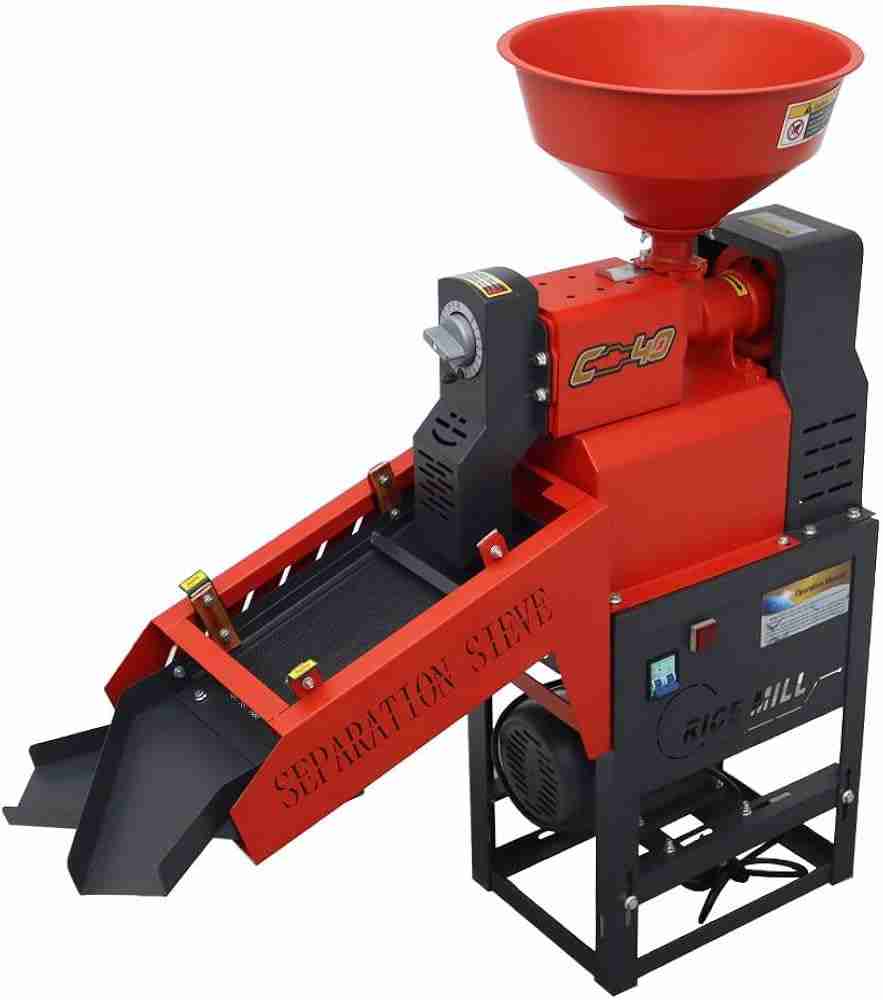
Understanding the Mini Rice Mill Revolution in Agriculture
The introduction of mini rice mills has dramatically altered the landscape of agricultural production, particularly in developing regions. These compact processing units have made it feasible for small-scale farmers to take control of their own rice processing, leading to enhanced profitability and self-sustainability. Mini rice mills are characterized by their high efficiency, reduced processing time, and lower energy consumption, which caters perfectly to the needs of local communities. Farmers no longer need to rely on centralized milling facilities, which often require long transportation times and impose additional costs.
One of the most significant advantages of the mini rice mill revolution is the empowerment it brings to farmers through modernization and technological advancement. Key features include:
- Compact Design: Ideal for small farms with limited space.
- Affordability: Lower initial investment compared to larger mills.
- Local Employment: Creates jobs in rural areas, boosting local economies.
- Quality Control: Farmers can oversee the quality of their processed rice.
Moreover, these mills contribute to food security by increasing rice availability in local markets. The tables below showcase the comparative benefits of traditional versus mini rice mills:
| Feature | Traditional Mills | Mini Rice Mills |
|---|---|---|
| Processing Capacity | High (requires large infrastructure) | Moderate (suitable for small operations) |
| Cost Efficiency | Higher operational costs | Lower operational costs |
| Accessibility | Limited to few locations | Widely accessible to small farmers |
| Environmental Impact | Higher emissions | Lower emissions with energy efficiency |
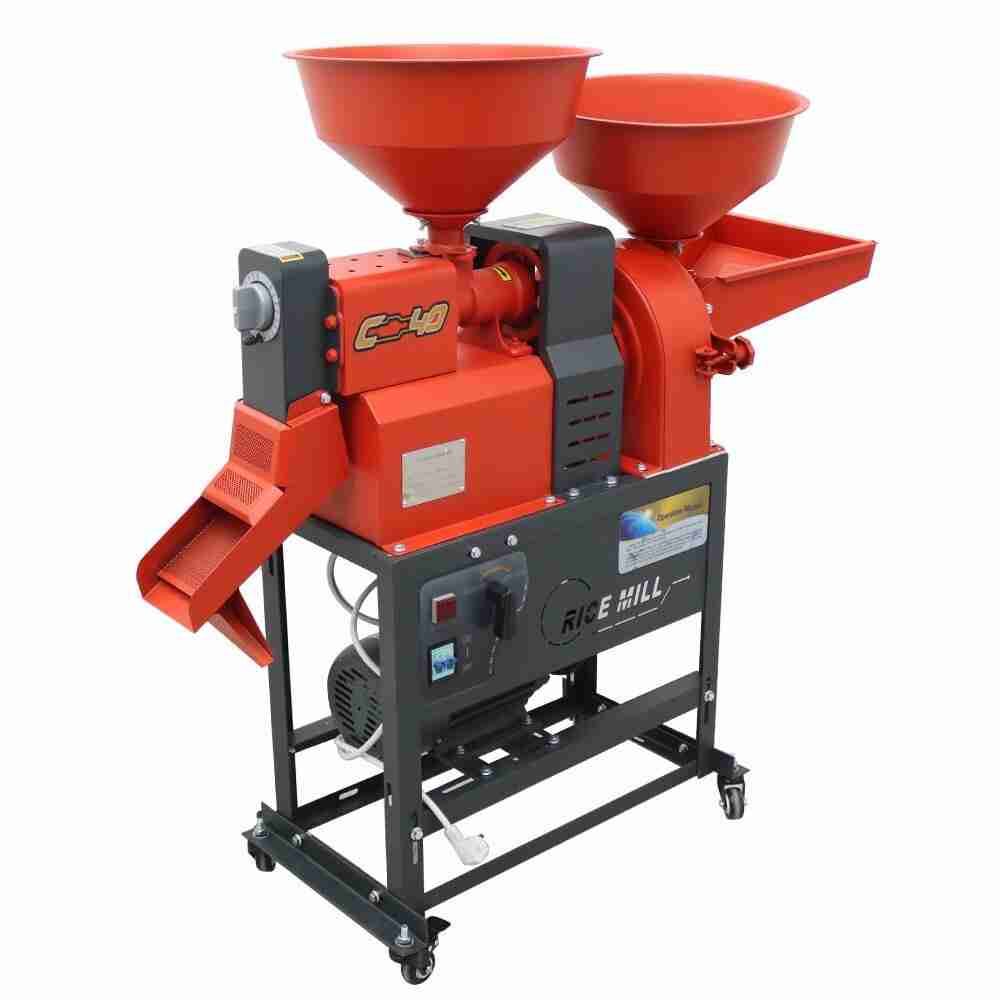
Key Components and Technology Behind Efficient Mini Rice Mills
At the heart of efficient mini rice mills lie several key components and advanced technologies that work synergistically to optimize the milling process. The paddy husker, for instance, plays a crucial role in removing the outer husk without damaging the rice grains. Complementing this is the whitener, which polishes the rice while ensuring a minimal loss of nutritional value. Additionally, the separator technology cleverly distinguishes between broken and whole grains, enhancing the overall quality of the output. Together, these components form the backbone of a mini rice mill, ensuring productivity while maintaining grain integrity.
Moreover, modern mini rice mills utilize innovative technologies that contribute to their efficiency. Some notable advancements include:
- Automation: Incorporating smart sensors and control systems for real-time monitoring.
- Energy efficiency: Utilizing high-performance motors that reduce power consumption.
- Modular designs: Allowing easy upgrades and maintenance.
These technologies not only enhance productivity but also promote sustainability, reducing waste and energy consumption in the milling process. The integration of these components and innovations showcases a commitment to modern agricultural practices, making mini rice mills a viable option for small and medium-scale farmers.
Selecting the Right Mini Rice Mill for Your Needs
When considering a mini rice mill, it’s essential to assess your specific requirements to find the perfect match. Begin by evaluating the scale of your operation: Are you a small-scale farmer or a larger business? The size and capacity of the mill will greatly influence your productivity. Additionally, take into account the type of rice you plan to process. Some mills cater specifically to certain varieties, which could affect the quality of your final product. Ensure you also consider features such as ease of operation, maintenance needs, and technological advancements integrated into the mill.
Another critical factor in your selection process is the price-to-performance ratio. It’s important to compare different models based on not just their cost but also the efficiency and longevity they offer. Look for mills that include essential features such as:
- Adjustable milling settings for diverse grain types
- Minimal power consumption
- Compact design for limited workspaces
- Ease of cleaning and servicing
Furthermore, don’t hesitate to consult product reviews and seek recommendations from existing users to gauge the reliability of the brand. Making an informed decision based on thorough research will not only enhance your productivity but will also ensure that your investment is worthwhile in the long run.
Best Practices for Operation and Maintenance of Mini Rice Mills
To ensure the optimal performance and longevity of mini rice mills, adhering to best practices in operation and maintenance is essential. Regular cleaning of the milling equipment not only enhances efficiency but also prevents cross-contamination of different rice varieties. This involves daily inspections to remove any debris or residue left from previous batches. Furthermore, monitoring the moisture content of the paddy rice before milling is crucial, as overly moist grains can lead to poor quality and increased friction that wear down machinery. Operators should also be trained to distinguish between various rice grades, allowing them to select appropriate milling settings for each type.
Incorporating a structured maintenance schedule can significantly reduce the likelihood of machine breakdowns. This should include weekly checks on important components such as the rubber rolls and screens, along with monthly servicing of the electric motor and other critical parts. Additionally, documenting maintenance activities through a logbook can help track performance trends and identify areas that may require attention. Operators are encouraged to create a simple checklist for routine inspections that includes:
- Inspection of belts and pulleys
- Greasing of moving parts
- Checking for electrical issues
- Calibration of milling settings
| Maintenance Task | Frequency | Notes |
|---|---|---|
| Clean milling chamber | Daily | Prevents build-up; enhances output |
| Check belt tension | Weekly | Ensures optimal power transfer |
| Lubricate moving parts | Monthly | Reduces friction and wear |
In Conclusion
As we draw the curtain on our exploration of mini rice mills, it’s clear that these humble machines offer much more than mere convenience; they symbolize the promise of potential unlocked. From empowering local farmers to catalyzing sustainable agriculture practices, the impact of mini rice mills reaches far beyond efficiency in rice processing.
Armed with the knowledge of their benefits, functional intricacies, and economic implications, you are now equipped to navigate the vibrant landscape of rice milling. Whether you’re an entrepreneur, a farmer, or a curious mind looking to make a meaningful change, these mills stand as gateways to innovation and growth within the agricultural sector.
In a world that continuously evolves, mini rice mills remind us of the extraordinary outcomes that simplicity can yield. So, as you consider the possibilities, remember: the future of rice milling is not just about technology; it’s about harnessing the potential within our communities and cultivating a more sustainable future, one grain at a time. Thank you for joining us on this journey—now go forth and unlock your own potential!



