
From Kernel to Product: Unveiling the Corn Processing Journey
Corn, a seemingly humble grain, holds a prized place in the tapestry of global agriculture and culinary culture. Whether it’s the heart of a sweet summer dish or a staple in countless processed goods, the journey from golden kernels to finished products is as intricate as it is fascinating. In this article, we invite you on a compelling exploration of the corn processing journey—an odyssey that transforms nature’s bounty into the diverse ingredients and products that nourish millions. From field to factory, we will uncover the meticulous steps involved in harvesting, processing, and refining corn, illuminating the science and craftsmanship behind one of the world’s most versatile crops. Join us as we delve into this vibrant narrative and discover how corn weaves its way through our lives, shaping our diets and industries in ways we may not even realize.
Exploring the Nutritional Benefits of Corn: A Foundation for Product Innovation
Corn, often referred to as the ”golden grain,” boasts a plethora of nutritional benefits that serve as a robust foundation for innovative product development. One of the remarkable features of corn is its versatility, as it is not only a staple food but also a significant source of essential nutrients. This remarkable grain is rich in carbohydrates, providing quick energy, while also being an excellent source of fiber, which contributes to digestive health. In addition to these, corn contains important vitamins and minerals that are vital for overall well-being. Specifically, it is high in B vitamins such as thiamin and folate, which play a key role in metabolic processes and support cellular function.
Moreover, corn’s phytochemical profile enhances its health benefits. The presence of antioxidants, such as lutein and zeaxanthin, supports eye health by helping to prevent age-related macular degeneration. Additionally, corn can be a valuable ingredient in gluten-free products, making it appealing to a wide range of consumers, including those with dietary restrictions. As food product innovation continues to evolve, harnessing the nutritional properties of corn enables the development of fortified snacks, beverages, and gluten-free alternatives that cater to modern health-conscious lifestyles. The table below highlights some of the key nutritional components of corn and their associated health benefits:
| Component | Benefit |
|---|---|
| Carbohydrates | Quick source of energy |
| Fiber | Improves digestive health |
| B Vitamins | Supports metabolism and cellular function |
| Antioxidants | Promotes eye health |

Navigating the Processing Techniques: Transforming Kernel into Versatile Ingredients
The journey from corn kernel to a multitude of products involves various processing techniques that unlock the grain’s potential. Each step in this transformation harnesses the natural properties of corn, allowing it to be adapted for diverse culinary and industrial uses. Some of the key processing methods include:
- Milling: This traditional method grinds whole kernels into flour or meal, perfect for baking and cooking.
- Degermination: Removing the germ and bran to enhance shelf life and create refined products like corn starch.
- Nixtamalization: A process using lime to treat maize, which enhances flavor and increases nutrient availability, primarily used in tortillas.
- Fermentation: Utilizing yeast or bacteria to convert sugars into alcohol or acids, essential for beverages like beer and vinegar.
In addition to these fundamental techniques, the versatility of corn can be further exploited through innovative processes, resulting in a range of value-added products. For instance, the extraction of oils from corn can serve both cooking and industrial purposes, while extrusion creates snacks and cereals that are both nutritious and appealing. The table below summarizes some popular products derived from corn and their primary applications:
| Product | Application |
|---|---|
| Corn Starch | Thickening agent for sauces and soups |
| High Fructose Corn Syrup | Sweetener in beverages and snacks |
| Corn Oil | Cooking oil and biodiesel ingredient |
| Popcorn | Snack food for entertainment |

Sustainability in Corn Processing: Balancing Efficiency and Environmental Responsibility
As the world increasingly turns its attention to sustainable practices, the corn processing industry is rising to the challenge, embracing innovative methods that harmonize efficiency with environmental stewardship. From advanced agricultural techniques to cutting-edge processing technologies, the journey of corn from field to finished product reflects a commitment to sustainability. Key strategies include:
- Resource Optimization: Utilizing precision farming techniques to minimize water and fertilizer usage.
- Waste Reduction: Implementing circular economy principles to convert by-products into valuable resources.
- Energy Efficiency: Investing in renewable energy sources and improving energy management systems.
Moreover, collaboration with suppliers, communities, and governments amplifies these efforts, ensuring that sustainability is not merely an afterthought but integral to the process. The imperative of transparency is gaining ground as consumers demand greater insight into how their food is produced. This has led to the adoption of sustainability certifications and eco-labels, which help convey the commitment of producers to responsible practices. Some noteworthy metrics driving this movement include:
| Metric | Current Value | Goal |
|---|---|---|
| Water Usage Reduction | 30% | 50% by 2030 |
| Renewable Energy Adoption | 25% | 75% by 2030 |
| Waste Diversion Rate | 60% | 90% by 2025 |
By fostering an ecosystem where sustainability meets productivity, the corn processing sector can lead the way in shaping a more responsible food system. As technologies evolve and awareness deepens, the symbiotic relationship between efficiency and environmental responsibility will pave the path for future innovations.
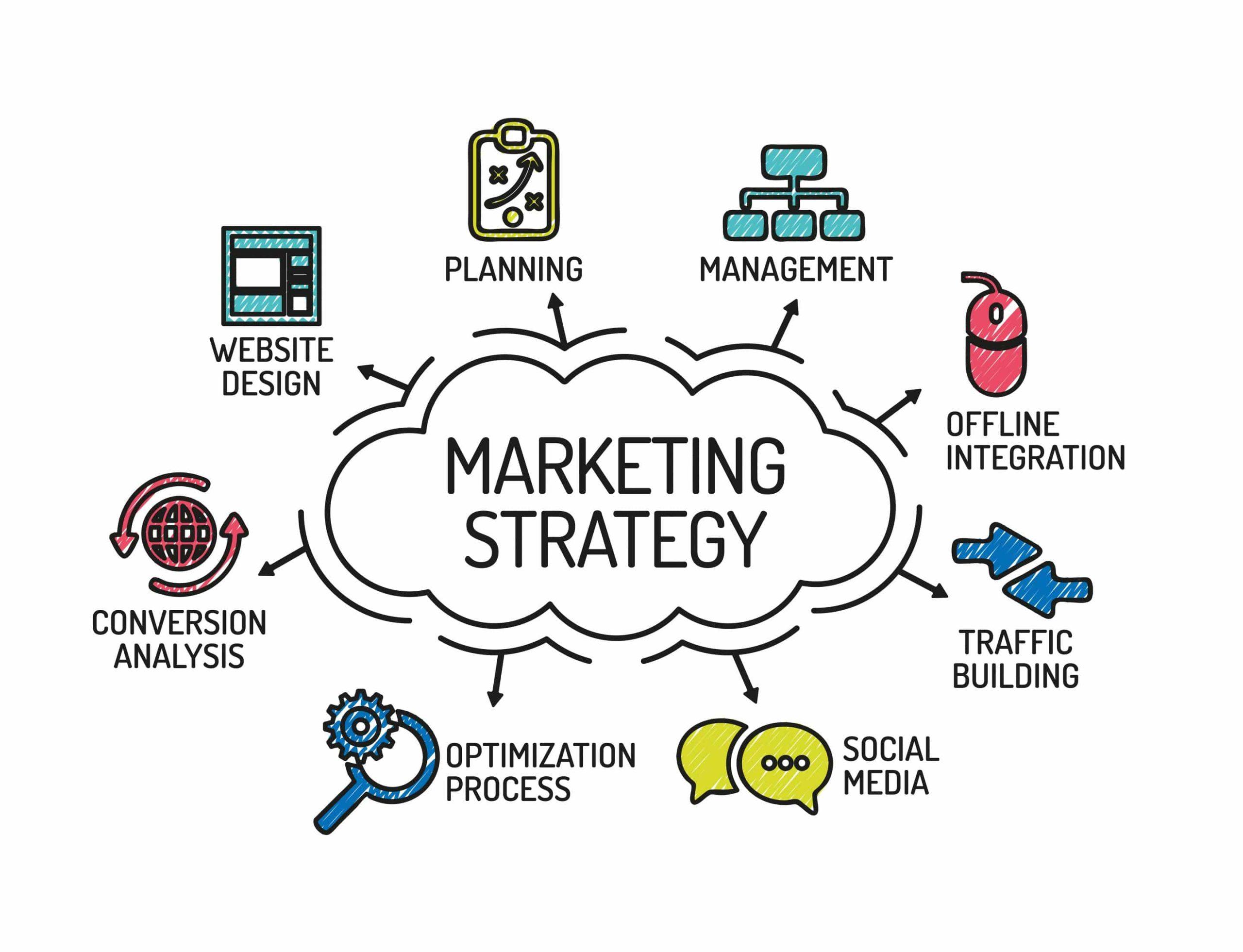
Marketing Strategies for Corn-Based Products: Connecting with Conscious Consumers
In an era where consumers are increasingly prioritizing sustainability and transparency in their purchasing decisions, marketing strategies for corn-based products must align with these values. Emphasizing the journey from the kernel to the product allows brands to craft compelling narratives that resonate with conscious consumers. Highlighting sustainable farming practices, local sourcing, and environmental benefits not only educates the audience but also fosters a deeper connection to the product. Brands can utilize storytelling techniques across various platforms, showcasing the stories of local farmers and the positive impact of corn-based products on both health and the environment.
Additionally, leveraging digital marketing to engage with consumers on multiple levels can amplify brand messages. Utilizing social media campaigns that highlight the versatility of corn in everyday life invites consumers to envision its integration in sustainable lifestyles. Consider implementing the following strategies:
- Interactive Content: Engage with videos, quizzes, or polls that educate about corn’s benefits.
- Influencer Partnerships: Collaborate with eco-conscious influencers who align with your brand values.
- Community Involvement: Promote local events like corn festivals or farmer’s markets to strengthen community ties.
Additional insights can be gleaned from analyzing consumer preferences and behaviors related to corn-based products. Below is a summary of some key consumer trends:
| Trend | Consumer Expectation |
|---|---|
| Health Consciousness | Preference for non-GMO, organic options. |
| Sustainability | Desire for environmentally-friendly production methods. |
| Transparency | Expectation of traceability and clear labeling. |
To Wrap It Up
As we reach the end of our exploration into the intricate journey of corn processing, it becomes clear that this seemingly simple grain has a multifaceted story worth telling. From its humble beginnings as a kernel nestled in the earth to its transformation into a vibrant array of products that fuel our lives, the path of corn is a testament to human innovation and resilience.
This journey—rich with agricultural diligence, technological advancements, and sustainability efforts—highlights the importance of understanding where our food comes from. Each step, from nurturing the soil to refining the final product, plays a crucial role in shaping not only the quality of our food but also the broader agricultural landscape.
As consumers, recognizing the complexities of the corn processing journey allows us to appreciate the craftsmanship and care involved in bringing corn from farm to table. The next time you savor a corn-based product, you can take a moment to reflect on the remarkable journey it undertook to reach your plate.
In the world of food production, knowledge is as vital as the nutrients we consume. By unveiling the corn processing process, we invite you to engage with your food on a deeper level, fostering a connection that enriches both your meals and your understanding of this essential staple. Together, let us celebrate the journey—from kernel to product—honoring the past while looking forward to a future where innovation and sustainability continue to thrive.



