
Unlocking the Secrets of Rice Polishers: A Milling Marvel
In the intricate world of grain processing, few machines hold as much significance as the rice polisher. This seemingly unassuming device plays a pivotal role in transforming rough, unrefined grains into the bright, polished rice that graces our tables worldwide. But what truly lies behind the curtain of this milling marvel? How does it elevate the humble grain to a culinary staple revered for its taste and texture? Join us as we delve into the mechanics and artistry behind rice polishers, exploring their history, technology, and the impact they have on both the food industry and our daily lives. From the grains’ first encounter with the machine to the finished product that nourishes millions, we’ll uncover the secrets that make this process both an art and a science, revealing the intricate dance of innovation and tradition that continues to shape the way we enjoy rice today.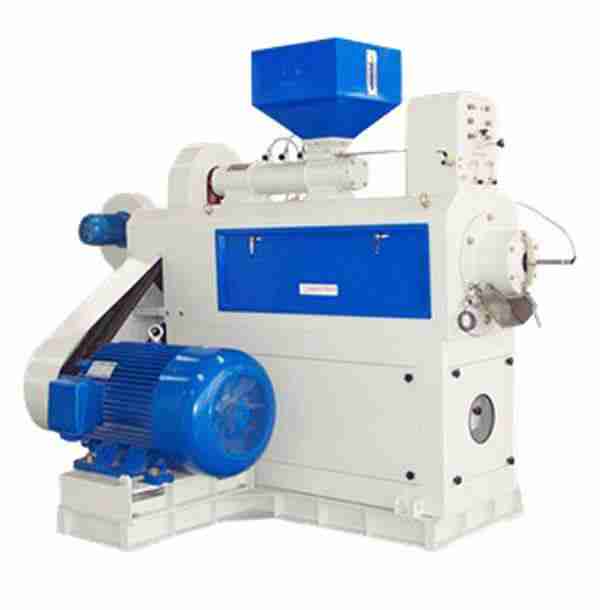
Exploring the Evolution of Rice Polishers and Their Impact on Grain Quality
The journey of rice polishers has undergone remarkable transformations, reflecting advancements in technology and an ever-growing understanding of grain quality. Early rice polishing techniques involved simple hand-operated devices that offered minimal control over the polishing process. As demand increased, so did innovation. Modern rice polishers now boast high-efficiency designs incorporating precision engineering and innovative materials which enhance the overall milling experience. These machines have revolutionized the way rice is processed, ensuring that grains are polished effectively while preserving their nutritional value.
With the evolution of rice polishers, their impact on grain quality has become increasingly significant. Today’s machines utilize advanced technology that allows for better *control over the polishing process*, thereby reducing the risk of over-polishing, which can lead to a loss of essential nutrients. Key features of contemporary rice polishers include:
- Automated Settings: Optimize milling based on grain type.
- Enhanced Efficiency: Shorten processing time without compromising quality.
- Reduced Breakage: Preserve the integrity of the rice grains.
To illustrate the evolution in performance and efficiency, consider the following comparison between traditional and modern rice polishers:
| Feature | Traditional Polishers | Modern Polishers |
|---|---|---|
| Polishing Technique | Manual | Automated |
| Grain Loss | High | Minimal |
| Energy Consumption | High | Low |
| Nutrient Preservation | Poor | Excellent |
This significant shift in technology not only benefits rice producers but ultimately enhances consumer experience by ensuring that the rice they purchase is of the highest quality, both in flavor and nutritional value. The evolution of rice polishers symbolizes a broader movement in the agricultural sector towards efficiency, sustainability, and health-conscious food processing.

Understanding the Mechanisms Behind Rice Polishing for Optimal Nutritional Benefits
Rice polishing is a fascinating process that balances the delicate interplay between texture and nutrition. Polishing involves milling rice with purpose, removing the outer layers while preserving the vital nutrients nestled within. During this procedure, several important mechanisms come into play to ensure that the rice remains appealing, nutritious, and palatable. The outer bran layer, for example, is rich in dietary fiber, vitamins, and minerals; thus, controlling its removal is essential to maintaining the health benefits of rice. The precision of modern rice polishers ensures that the ideal amount of bran is taken off, allowing for the versatile use of the final product while optimizing its healthful properties.
To fully appreciate the efficiency of rice polishing machines, we must understand the different types and their unique functionalities. Most rice polishers operate on a principle of friction and abrasion, wherein rice grains are gently buffed to achieve the desired level of brightness and smoothness. Here are some advanced techniques that enhance nutritional preservation during the polishing process:
- Water-Tempered Polishing: Involves moisture application to minimize breakage and retention of nutrients.
- Airflow Systems: Utilize controlled airflow to remove bran without excessive heat that may degrade nutrients.
- Multiple Pass Techniques: Ensures gradual polishing, enhancing control over nutrient retention and grain quality.
These innovative methods demonstrate a commitment to quality, allowing consumers to reap the maximum health benefits from their rice. Below is a simple comparison of rice types based on the polishing method utilized:
| Rice Type | Polishing Method | Nutritional Content |
|---|---|---|
| White Rice | Conventional Polishing | Lower in fiber, vitamins |
| Brown Rice | Minimal Polishing | High in fiber, minerals |
| Parboiled Rice | Pre-Steamed Polishing | Higher nutrient retention |
Ultimately, the art of rice polishing not only enhances the visual appeal of rice but also plays a pivotal role in preserving its health benefits—making our meals not just nutritious but also enjoyable.
Choosing the Right Rice Polisher: Key Features and Considerations for Enthusiasts
When selecting a rice polisher, enthusiasts must focus on several essential features to ensure they maximize both efficiency and quality. Grain Capacity is paramount; consider models that cater to your production needs, whether it’s for home use or larger operations. Look for Polishing Quality, which is often determined by the polisher’s technology and design. Machines utilizing innovative technologies, such as air circulation systems or multi-stage polishing, can significantly enhance the final product’s appearance and taste. Additionally, user-friendliness plays a vital role in the selection process. A model with intuitive controls and easy maintenance mechanisms can make the polishing experience more enjoyable and less stressful.
Another key consideration is durability. Enthusiasts should pay attention to the materials and build quality; models constructed from high-grade stainless steel are often both long-lasting and easy to clean. Furthermore, energy efficiency is increasingly relevant in today’s eco-conscious environment. Look for rice polishers that boast lower energy consumption while maintaining excellent performance. Lastly, warranty and customer support are crucial; a robust warranty can safeguard your investment, and responsive customer service will provide peace of mind when issues arise. By contemplating these attributes, rice polishing can transform from a chore into an art form, yielding perfectly polished grains every time.
| Feature | Importance |
|---|---|
| Grain Capacity | Ensures the model meets your volume needs. |
| Polishing Quality | Enhances the taste and appearance of rice. |
| User-Friendliness | Makes operation smooth and maintenance easier. |
| Durability | Determines the lifespan of the polisher. |
| Energy Efficiency | Lowers operational costs and environmental impact. |
| Warranty and Support | Protects your investment and ensures assistance. |
Maximizing Efficiency: Maintenance Tips and Techniques for Long-Lasting Performance
To ensure optimal performance from your rice polisher, regular maintenance is essential. By adhering to a consistent maintenance schedule, you not only extend the life of the machine but also enhance the quality of the milled rice. Consider implementing the following techniques to maintain and maximize the efficiency of your polisher:
- Daily Cleaning: After each use, it’s important to clean the machine thoroughly to prevent rice dust buildup.
- Check Wear Parts: Regularly inspect parts such as the polishing chamber and screens for wear and tear; replace them as needed.
- Lubrication: Apply the recommended lubricant to moving parts to reduce friction and prevent rust formation.
- Calibrate Regularly: Make sure the polishing settings are calibrated correctly to ensure consistent output quality.
In addition to regular checks, proactive adjustments can lead to substantial improvements in performance. Each rice polisher comes equipped with specific operational parameters. Adapting to these recommendations can further enhance your milling process. For example, you may want to monitor and adjust:
| Parameter | Recommended Value | Effect of Adjustment |
|---|---|---|
| Polishing Time | 30-45 seconds | Improves grain luster |
| Airflow Rate | Optimal level | Reduces heat and prevents spoilage |
| Water Content | 10-12% | Enhances milling efficiency |
By integrating these best practices into your regular maintenance routine, you can ensure your rice polisher operates at its peak efficiency, delivering the best quality milled rice for your needs.
Key Takeaways
As we conclude our exploration of rice polishers, it becomes clear that these remarkable machines are not just tools of the trade; they are the silent sentinels of culinary tradition and innovation. By mastering the delicate balance between preserving nutrients and enhancing the grain’s visual appeal, rice polishers have carved out their own essential niche in the milling industry.
Understanding the intricacies of these devices not only deepens our appreciation for the rice on our plates but also connects us to a broader narrative of agricultural advancement and cultural significance. As we continue to unlock the secrets of rice polishers, we gain insight into the alchemy of food processing and the stories that each grain carries with it.
So, the next time you savor a bowl of perfectly polished rice, remember the marvel of engineering and tradition lurking behind it. In a world that often overlooks the processes that shape our nourishment, taking a moment to reflect on the journey from field to fork can transform a simple meal into a celebration of craftsmanship and history.



