
Unlocking the Crunch: The Art and Science of Cereal Processing
In a world where breakfast is often relegated to quick bites and hurried mornings, the humble cereal stands as a beacon of both convenience and nostalgia. But beneath the colorful boxes and enticing crunch lies a complex interplay of artistry and scientific precision. “Unlocking the Crunch: The Art and Science of Cereal Processing” delves into the meticulous processes that transform simple grains into the beloved cereals that grace our tables. From the selection of raw ingredients to the innovative techniques of extrusion and toasting, each step is a careful dance between tradition and technology. Journey with us as we explore the intricate world of cereal production—where flavor meets engineering, and the ordinary becomes extraordinary. Discover how the morning ritual of pouring a bowlful of crisp goodness is not just a routine, but a remarkable feat of culinary ingenuity and food science.
Exploring the Origins of Cereal: From Grain to Bowl
The journey of cereal begins in the fields, where grains like wheat, corn, and oats cultivate the foundation of breakfast favorites. These crops are sown, nurtured, and harvested, transforming natural elements into a treasure trove of nutrients. Once harvested, the grains are subjected to a rigorous processing journey. The steps involved in this transformation are fascinating, involving both artisanal practices and cutting-edge technology:
- Cleaning: Grains are cleaned to remove impurities, such as dirt and stones, ensuring a pure base for production.
- Milling: The cleaned grains are ground, producing various flour types used in different cereals.
- Toasting: This imparts unique flavors and textures, enhancing the final product’s appeal and crunch.
- Puffing and Flaking: Techniques that transform grains into crispy textures, warming them to create their delightful crunch.
- Flavoring: Here’s where the magic happens—sweeteners, spices, and fruit elements are added to cater to diverse tastes.
The final step is packaging, where the processed cereal is sealed with the utmost care to preserve its freshness. A remarkable aspect of this process is the tremendous variety offered to consumers. Here’s a concise overview of the most popular cereal types:
| Cereal Type | Main Ingredients | Typical Flavor |
|---|---|---|
| Flakes | Wheat, Corn | Crispy and Light |
| Oats | Whole Oats | Nutty and Earthy |
| Puffed | Corn, Rice | Sweet and Airy |
| Muesli | Oats, Nuts, Dried Fruits | Wholesome and Fruity |
Each type of cereal tells a story, reflecting the regions from which the grains originate and the innovations that have shaped the industry over the years. As consumers pour their chosen cereal into bowls across the globe, they partake in a rich tradition spanning centuries, a blend of nature’s bounty and human ingenuity.

The Science Behind Texture: Understanding the Crunch Factor
Texture plays a pivotal role in our perception of food, particularly in cereals where the crunch factor can significantly influence the overall eating experience. When we talk about crunchiness, we often consider the interplay of moisture content, the physical structure of ingredients, and the processing techniques employed during manufacturing. For instance, cereals that undergo specific drying methods may retain a crisp texture, while those with higher moisture levels can become soft and chewy. Understanding these elements allows food scientists and cereal manufacturers to manipulate the texture in a way that resonates with consumer preferences.
One key factor in achieving the ideal crunch lies in the ratio of ingredients and the way they are processed. Typically, cereals incorporate a combination of grains, sweeteners, and flavorings. Here’s how each contributes to texture:
| Ingredient | Texture Contribution |
|---|---|
| Whole Grains | Provides structure and a hearty crunch |
| Sugars | Creates sweetness and contributes to caramelization |
| Fats | Adds richness and a satisfying mouthfeel |
| Air Incorporation | Lightens texture, enhancing the snap |
Furthermore, techniques such as extrusion and toasting not only transform the physical properties of cereals but also enhance their flavor and crunch. Extrusion involves forcing a mixture through a die under high pressure and temperature, resulting in a unique puffed texture. Toasting—often the final stage—adds a golden color and a deeper crunch, locking in the flavors while enhancing the overall sensory experience. The scientific precision in these processes is what ultimately determines whether your morning bowl of cereal delivers that unmistakable satisfying crunch.
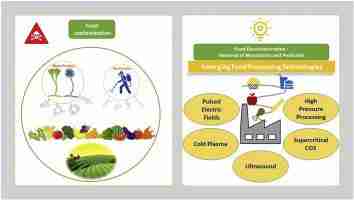
Innovative Processing Techniques: Enhancing Flavor and Nutrition
In the quest for the perfect cereal, innovation plays a pivotal role in transforming raw grains into delicious, crunchy delights that not only satisfy taste buds but also enhance nutritional value. By leveraging high-tech extrusion techniques, cereals can achieve a unique texture and flavor profile that entices breakfast lovers. This process involves forcing dough through a specially designed machine under specific temperature and pressure conditions, creating an array of shapes and textures. The benefits of extrusion extend beyond just aesthetics; it also increases bioavailability of nutrients, making essential vitamins and minerals more easily absorbed by the body.
Additionally, the incorporation of natural flavor enhancers and nutrient fortification has revolutionized the cereal industry. Manufacturers are embracing a variety of techniques to enrich the health benefits of their products, such as:
- Fermentation: Enhancing digestibility and flavor.
- Toasting: Adding a nutty crunch while reducing moisture content.
- Micronization: Reducing particle size for better nutrient absorption.
To illustrate the impact of these innovative techniques, consider the following table that compares traditional processing methods with modern innovations in cereal production:
| Technique | Traditional Processing | Innovative Processing |
|---|---|---|
| Flavor Development | Basic toasting | Dynamic fermentation and spice infusion |
| Nutritional Value | Minimal enhancement | Fortification with superfoods |
| Texture | Flaky or clumpy | Crunchy, diverse shapes |

Sustainability in Cereal Production: Future Trends and Practices
The future of cereal production is increasingly intertwined with sustainability, setting the stage for a revolution in agricultural practices. Embracing regenerative farming techniques not only enhances soil health but also encourages biodiversity. This approach represents a shift from traditional methods to practices that ensure sustainable outputs. Key trends in the field include:
- Precision Agriculture: Utilizing technology to optimize inputs like water, fertilizers, and pesticides, reducing waste.
- Crop Rotation: Enhancing soil fertility and breaking pest cycles through diverse planting.
- Organic Practices: Shifting towards non-chemical interventions and natural pest control to minimize environmental impact.
Moreover, innovations in post-harvest processing are vital for enhancing the eco-friendliness of cereal production. Green processing techniques aim to minimize energy consumption and waste by employing methods such as cold extrusion and enzymatic treatment. Consider this comparative table that highlights the benefits of traditional versus modern post-harvest methodologies:
| Methodology | Energy Efficiency | Waste Generation | Nutritive Retention |
|---|---|---|---|
| Traditional | Low | High | Moderate |
| Modern (Green Processing) | High | Low | High |
As these practices become widespread, they not only contribute to better cereal quality but also pave the way for a more sustainable food system that could withstand the challenges of climate change and population growth.
In Conclusion
As we conclude our journey through the intricate world of cereal processing, it’s clear that the seemingly simple breakfast staple is a marvel of both art and science. From the fields where grains are nurtured to the precise machinery that transforms them, every step in the cereal production process is a testament to human ingenuity and innovation. Understanding these complexities not only enriches our appreciation of the products we consume daily but also highlights the importance of sustainable practices in food processing.
As we unlock the crunch, we gain insight into the delicate balance between flavor, texture, and nutritional value, revealing a fascinating interplay that shapes our morning routines. Whether you’re savoring a hearty bowl of oatmeal or indulging in a sugary cereal delight, remember that behind each crunch lies a story of dedication, technology, and a relentless pursuit of perfection.
So, the next time you pour your favorite cereal, take a moment to reflect on the intricate journey it has taken to reach your bowl—unlocking not just the crunch, but a world of possibilities in every bite.



