
In the quiet embrace of verdant paddies, where golden grains sway gracefully in the breeze, a silent revolution is brewing beneath the surface. Welcome to the world of paddy processing plants, the unsung heroes of the agricultural industry, where meticulous techniques and innovative technologies converge to transform raw rice into the staple that graces tables worldwide. This article delves into the intricate processes that elevate humble grains, exploring the art and science of rice transformation. From state-of-the-art milling machinery to sustainable practices that honor both tradition and advancement, join us as we uncover the inner workings of these facilities that not only feed billions but also drive economic growth and environmental stewardship in rice-producing regions. Prepare to embark on a journey through the heartbeat of rice production, where every kernel tells a story of resilience, technology, and transformation.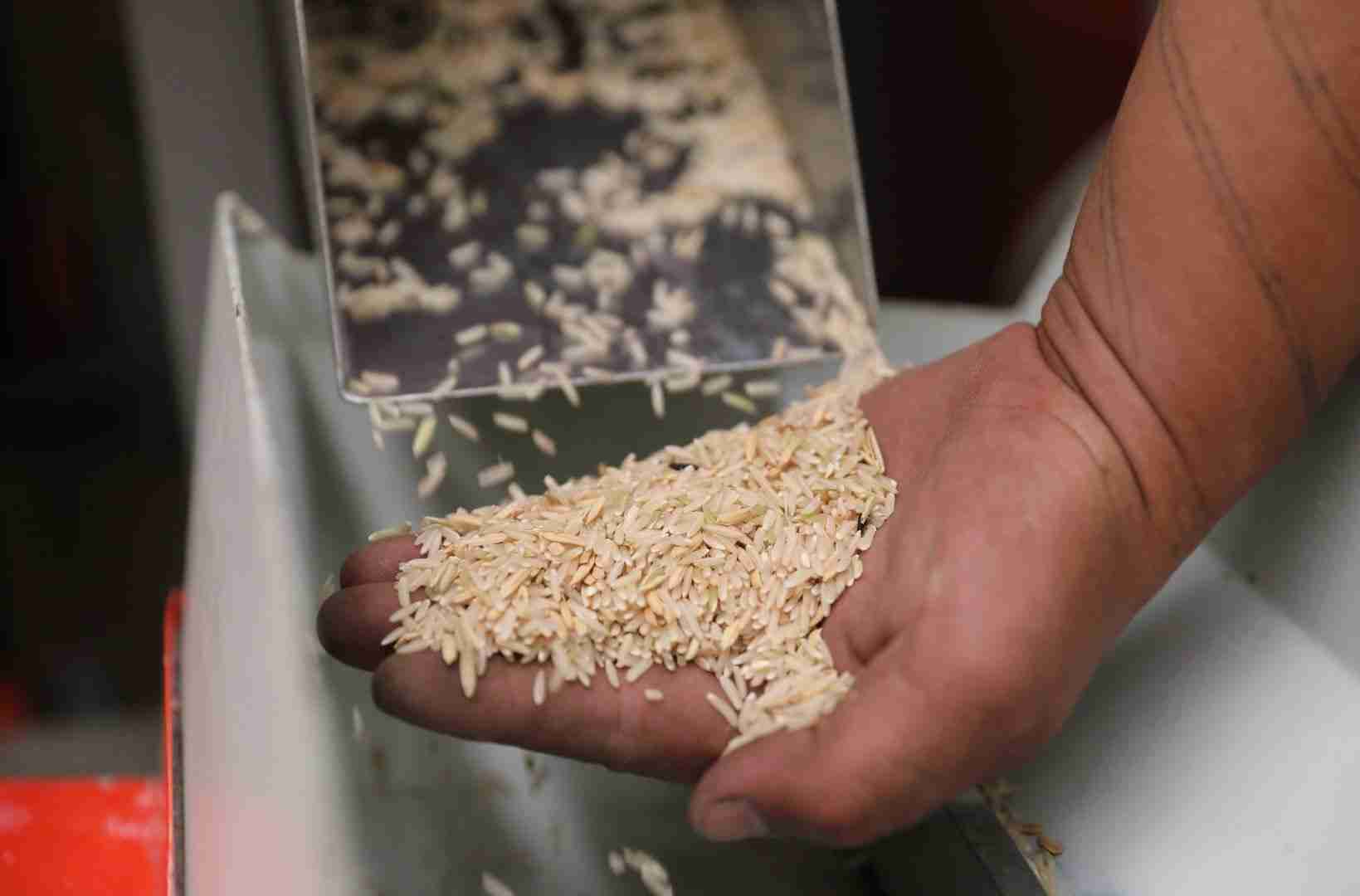
Exploring Innovations in Paddy Processing Technology
The landscape of rice processing is witnessing a seismic shift, driven by cutting-edge technologies that enhance efficiency and sustainability. Modern paddy processing plants are integrating innovations such as AI-driven automation, which not only accelerates production but also ensures high precision in sorting and grading. Furthermore, the adoption of energy-efficient machinery significantly reduces carbon footprints while optimizing output. With the evolution of sensors and IoT (Internet of Things), real-time monitoring of paddy quality and processing conditions has become standard, allowing for immediate adjustments that safeguard the integrity of the end product.
Moreover, new methods like ultrasonic cleaning and solar drying techniques are redefining traditional practices by ensuring higher quality rice while conserving resources. These advancements are complemented by emerging trends in biomass utilization, where by-products from milling processes are repurposed for energy production or organic fertilizers. The following table illustrates some key technological advancements currently shaping the industry:
| Innovation | Benefit |
|---|---|
| AI Sorting Systems | Enhanced accuracy in quality assessment |
| Energy-efficient Dryers | Lower energy consumption |
| IoT Monitoring | Real-time quality tracking |
| Ultrasonic Cleaning | Improved cleaning without damage |

Enhancing Efficiency through Automation and Data Analytics
In the quest for an optimized paddy processing plant, integrating automation and data analytics has become a catalyst for transformation. These technologies harmonize together, streamlining operations and enhancing output quality. By employing automated sorting and grading systems, plants can significantly reduce human error while increasing processing speed. This not only ensures that the rice meets stringent quality standards but also minimizes wastage—a crucial factor in today’s sustainability-focused market. Moreover, real-time data analytics play a vital role by providing insights into the entire production process, from moisture levels to equipment performance. This information paves the way for proactive decision-making and helps in predicting maintenance needs before technical failures arise.
The implementation of these advanced technologies fosters a data-driven culture within the plant. With smart sensors monitoring vital parameters, operators can adjust variables instantaneously, adapting to fluctuations in grain quality or operational conditions. Visual analytics dashboards enable management teams to visualize the data trends and make informed choices on resource allocation and operational strategies. For instance, a comparative analysis of pre-and post-automation output reveals dramatic improvements:
| Parameter | Before Automation | After Automation |
|---|---|---|
| Processing Time (hours) | 12 | 8 |
| Quality Control Errors (%) | 15 | 3 |
| Waste Generated (kg) | 100 | 20 |
Such remarkable shifts not only bolster productivity but also enhance profitability, allowing paddy processing plants to thrive in a competitive landscape. By harnessing the power of automation and data analytics, these facilities pave the way for future innovations, setting benchmarks for efficiency and quality in agricultural practices.
Sustainable Practices for a Greener Rice Industry
In the quest for a more sustainable rice industry, various innovative practices are being adopted at processing plants to reduce environmental impact while improving productivity. One notable approach is the implementation of water conservation techniques, which are vital in addressing the challenges of water scarcity faced in rice cultivation. By utilizing technologies such as drip irrigation and rainwater harvesting, mills can optimize water usage, ensuring that every drop counts. Additionally, the adoption of crop rotation and cover cropping can enhance soil health and biodiversity, reducing the need for chemical fertilizers, which in turn lowers greenhouse gas emissions.
Beyond water management, energy efficiency is another cornerstone of sustainable practices in rice processing. Many facilities are now investing in renewable energy sources, such as solar panels and biogas generators, to power their operations. This not only decreases reliance on fossil fuels but also minimizes the carbon footprint of milling activities. Furthermore, the introduction of waste management systems that convert rice husks and straw into bioenergy illustrates the closed-loop approach many plants are pursuing. Consider the table below, which highlights key sustainable practices and their benefits:
| Practice | Benefit |
|---|---|
| Water Conservation | Reduces water usage and enhances efficiency |
| Renewable Energy | Decreases carbon footprint and enhances energy security |
| Waste Management Systems | Transforms waste into a resource, minimizing emissions |
Empowering Farmers: The Role of Education and Support Programs
In the agricultural landscape, creating a culture of education and support is crucial for ensuring the success of farmers engaged in rice production. By integrating comprehensive training programs, farmers gain access to the latest practices in sustainable agriculture and innovative paddy processing techniques. These programs often encompass a variety of vital components, such as:
- Workshops and Seminars: Providing hands-on training sessions that cover best practices in crop management, pest control, and soil health.
- Access to Resources: Offering informative materials, toolkits, and digital content that enables farmers to stay updated with industry trends.
- Networking Opportunities: Establishing forums where farmers can connect with peers, experts, and agricultural organizations for shared learning experiences.
Furthermore, tailored support programs play a significant role in equipping farmers with the necessary resources to navigate market challenges effectively. By providing financial literacy courses and advisory services, these initiatives empower farmers to make informed decisions about investments and resource allocation. Such support systems are enhanced by:
- Microfinancing Options: Allowing farmers to access low-interest loans to invest in enhanced paddy processing equipment.
- Market Insights: Offering data-driven analyses that help farmers understand pricing trends and consumer demands.
- Mentorship Programs: Connecting veteran farmers with newcomers to share wisdom that can help ease their transition and enhance productivity.
| Program Type | Description |
|---|---|
| Training Workshops | Hands-on sessions focusing on sustainable farming techniques. |
| Financial Literacy Courses | Guidance on budgeting, saving, and investing in agriculture. |
| Mentorship Initiatives | Connections between experienced and novice farmers for knowledge transfer. |
Closing Remarks
As we conclude our journey through the intricate world of rice processing, it’s clear that the revolution within paddy processing plants represents more than just an evolution of machinery and methods; it signifies a profound commitment to quality, sustainability, and innovation. From the gentle embrace of the fields to the meticulous techniques that transform raw grains into the familiar staple of countless plates around the globe, each step in this journey holds its own story of dedication and progress.
As technology continues to advance and consumer preferences evolve, the future of rice processing stands at the cusp of exciting possibilities. These modern plants are not just reshaping the way we think about food production; they are redefining the very essence of agriculture itself. By embracing sustainability practices and cutting-edge innovations, we are not only enhancing the quality of our rice but also safeguarding the health of our planet.
In a world increasingly driven by efficiency and sustainability, the transformation of rice processing serves as a microcosm of larger agricultural trends. It invites us to reflect on the journey from paddy to plate, urging us to appreciate the unseen hands and technologies that contribute to this beloved grain. As this revolution unfolds, may we continue to advocate for practices that honor both the heritage of rice cultivation and the future of our food systems. Let us carry forward the lessons learned from these processing plants and foster a deeper connection to the origins of the nourishment that sustains us all.



