
In the heart of a bustling paddy field lies a hidden gem that plays a pivotal role in feeding millions – the rice processing unit. Step inside this unassuming yet crucial facility and witness the intricate dance of technology and tradition as it transforms humble grains of rice into a staple food that sustains communities around the globe. Join us on a journey into the heart of the rice revolution, where innovation meets centuries-old practices to bring forth the bounty of the harvest.
Exploring the Cutting-Edge Technology Used in Paddy Processing
Step inside a paddy processing unit and witness the rice revolution unfolding before your eyes. From traditional methods to cutting-edge technology, the evolution in the way paddy is processed is remarkable. One of the key innovations in paddy processing is the use of automated sorting machines that can efficiently separate grains based on size, shape, and color.
Moreover, state-of-the-art milling machines are now able to remove husk and bran from the rice grains with unparalleled precision, resulting in higher quality and yield. The integration of smart sensors and data analytics ensures that every step of the process is optimized for efficiency and quality, making the end product truly top-notch.
| Technology | Benefits |
|---|---|
| Automated sorting machines | Efficient separation of grains |
| Milling machines | Precise husk and bran removal |
| Smart sensors and data analytics | Optimized process for quality |
Efficient Techniques for Increasing Rice Production
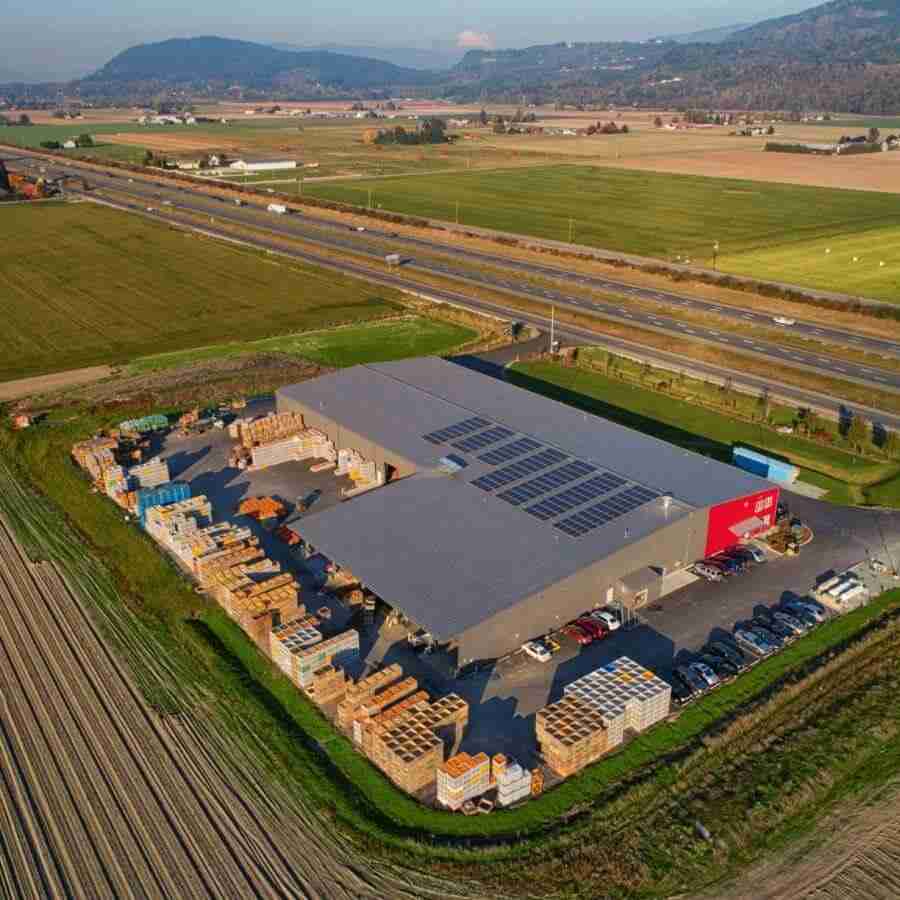
When it comes to increasing rice production, paddy processing units play a crucial role in the rice revolution. These units implement efficient techniques that help to streamline the production process and optimize output. One key technique is the use of modern machinery such as rice mills, sorters, and polishers, which help to increase efficiency and reduce manual labor.
Another important technique is the implementation of proper irrigation systems to ensure optimal water supply for the rice paddies. This not only helps to increase yield but also enhances the overall quality of the rice produced. Additionally, utilizing advanced farming practices such as crop rotation and integrated pest management can help to improve soil health and protect crops from diseases and pests. By incorporating these techniques into paddy processing units, farmers can significantly increase their rice production and contribute to the rice revolution.
Sustainable Practices to Minimize Environmental Impact
At the heart of sustainable agriculture lies the practice of utilizing eco-friendly methods to reduce the environmental impact of food production. One prime example of this is the innovative approach taken by paddy processing units in the rice industry. These units have implemented a series of sustainable practices that not only minimize environmental harm but also contribute to the overall health of ecosystems.
Within a paddy processing unit, water conservation plays a crucial role in reducing environmental impact. By implementing advanced irrigation techniques such as drip irrigation and rainwater harvesting, these units are able to maximize efficiency while minimizing water wastage. Additionally, the use of organic fertilizers and pesticides helps to maintain soil health and biodiversity, ensuring a sustainable agricultural cycle. Through these practices, paddy processing units are paving the way for a greener and more sustainable future in the rice industry.
Maximizing Quality Control Measures in a Paddy Processing Unit
In order to ensure top-quality rice production, a paddy processing unit must implement rigorous quality control measures at every stage of the processing journey. One crucial step is to regularly inspect and maintain the machinery used in the unit to guarantee optimal performance. By conducting routine checks and servicing, the risk of breakdowns and production delays can be minimized, leading to a more efficient and consistent output of rice grains.
Another key factor in maximizing quality control measures is to implement strict sanitation protocols within the processing unit. This includes regularly cleaning and sanitizing all equipment and work areas to prevent contamination and ensure the purity of the final product. Additionally, conducting regular quality checks and testing samples of the rice grains at various stages of the process can help identify any issues or inconsistencies early on, allowing for quick adjustments and improvements to be made.
Insights and Conclusions
In conclusion, the rice revolution is not just about technological advancements in the processing of rice, but also a testament to the ingenuity and hard work of the individuals involved in this industry. As we have seen, the paddy processing unit is a hub of innovation and efficiency, transforming raw rice into the staple food that sustains millions of people around the world. It is truly a fascinating world to explore, where tradition meets modernity in perfect harmony. So, next time you enjoy a delicious bowl of rice, remember the intricate journey it went through to reach your plate. It’s not just a simple grain, but a symbol of the incredible progress we have made in the realm of agriculture. Let’s continue to appreciate and support the rice revolution as it paves the way for a more sustainable and delicious future.



